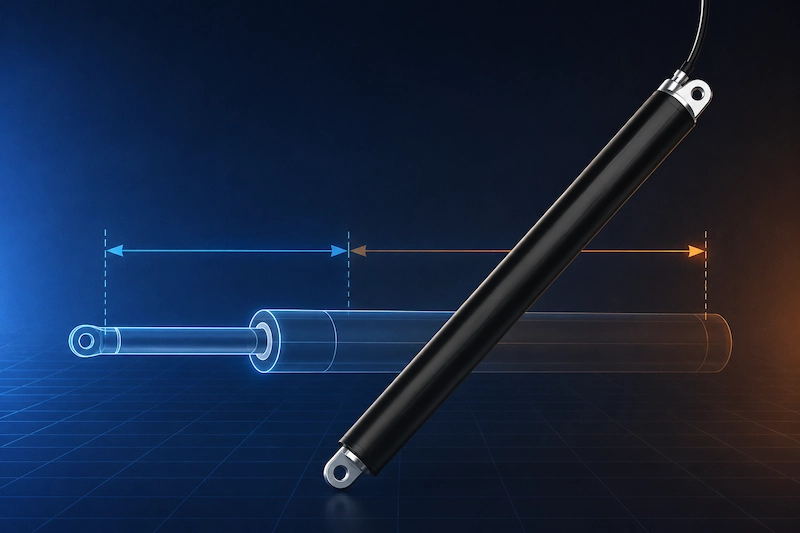
Positioning accuracy is one of the first performance questions to consider when a tubular actuator is used to move a component to a defined position repeatedly. A tubular linear actuator may provide sufficient force and speed for an application, yet still fail to deliver the expected positioning performance if mechanical alignment, load conditions, feedback, control settings, or operating conditions are overlooked.
It is also important to distinguish positioning accuracy from repeatability. Accuracy describes how closely an actuator reaches the intended position, while repeatability describes how consistently it returns to the same position. For this reason, the performance of a tubular linear actuator should be evaluated as part of the complete motion system rather than as an isolated component.
This article examines the main factors that influence tubular actuator positioning accuracy and explains what engineers should evaluate when selecting and integrating an actuator into a precision motion system.
How the Tubular Linear Actuator Design Affects Positioning Accuracy
The design of the actuator establishes the mechanical foundation for positioning performance. A tubular linear actuator typically combines a motor, transmission mechanism, moving rod or piston, housing, bearings, limit components, and other mechanical elements. The interaction between these components determines how smoothly and consistently linear motion is produced.
Mechanical stiffness is particularly important. If the actuator or its mounting structure deflects under load, the commanded position and actual position can differ. This effect can become more noticeable when the load changes or when the actuator operates close to its rated capacity.
The drive mechanism also influences positioning behavior. Lead screws, ball screws, gears, bearings, and related transmission components have different characteristics in terms of friction, clearance, efficiency, and motion smoothness. Manufacturing tolerances between these components can influence backlash and repeatability.
The physical configuration of the tubular actuator also matters when it is integrated into compact machinery. A cylindrical actuator can simplify installation in restricted spaces, but the surrounding frame and mounting points still need sufficient rigidity. An actuator with good mechanical characteristics cannot compensate for a flexible support structure, unstable mounting surface, or improperly supported load.
For this reason, actuator selection should begin with the complete motion requirement rather than focusing only on nominal force or speed. Jointway Leader provides tubular linear actuator configurations for different combinations of stroke, load, speed, mounting requirements, and operating conditions, allowing engineers to evaluate the actuator as part of the intended motion system.
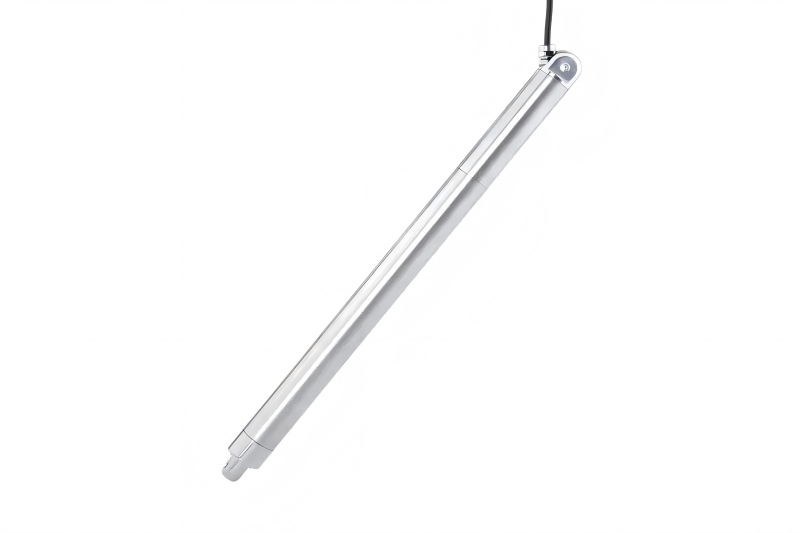
How Mechanical Alignment, Backlash, and Friction Influence Linear Motion Accuracy
Even when the internal components of an actuator are manufactured accurately, installation errors can reduce positioning performance. Mechanical alignment becomes particularly important when the actuator is connected to an external guide, linkage, slide, or moving platform.
If the actuator axis is not properly aligned with the direction of travel, side loading can occur. Instead of converting the available drive force into clean linear movement, part of the force may be absorbed by friction or structural deformation. This can increase component wear and make movement less predictable.
Backlash is another potential source of positioning error. Backlash refers to unwanted clearance or lost motion within a mechanical transmission when the direction of movement changes. During reversing motion, the motor may rotate through a small amount of movement before the driven component responds. The resulting difference can become important in applications that frequently change direction.
Friction can have a similar influence. Excessive or inconsistent friction may cause delayed movement, stick-slip behavior, or different positioning characteristics between forward and reverse travel. Lubrication, alignment, component condition, and operating conditions all affect friction throughout the service life of a tubular linear actuator.
Accurate installation therefore involves more than firmly attaching the actuator. The actuator, load, guide system, brackets, and supporting frame should be treated as one mechanical system. Reducing unnecessary side loads and maintaining proper alignment can help preserve the positioning characteristics of the tubular actuator over time.
How Load, Stroke Length, and Operating Speed Affect Positioning Performance
Load conditions have a direct relationship with positioning performance. An actuator moving a light and well-supported load may behave differently from the same actuator moving a heavier load with greater inertia. As the load increases, mechanical deflection, friction, acceleration requirements, and motor demand may also increase.
Stroke length should be considered alongside the mechanical layout of the equipment. A longer travel distance can influence structural stability and the behavior of the moving components, especially when the application also requires high speed. The required stroke should therefore be based on the actual travel requirement rather than simply selecting the longest available actuator.
Operating speed introduces another engineering trade-off. Higher speed can reduce cycle time, but rapid acceleration and deceleration place greater demands on the actuator, load, and supporting structure. If the motion profile is too aggressive, vibration and overshoot can affect the time required for the system to settle at its target position.
For this reason, force, stroke, speed, acceleration, moving mass, and duty cycle should be considered together when selecting a tubular linear actuator. Evaluating only one specification can give an incomplete picture of actual positioning performance.
| Factor | Potential Influence on Positioning | What Should Be Evaluated |
|---|
| Load | Can increase inertia, deflection, and motor demand | Rated load, moving mass, and load distribution |
| Stroke length | Can influence travel behavior and structural stability | Required travel and available installation space |
| Operating speed | Can increase vibration and dynamic positioning error | Target speed, acceleration, and deceleration |
| Backlash | Can create position differences when travel direction changes | Transmission design and reversing requirements |
| Position feedback | Allows actual movement to be monitored and controlled | Feedback type, resolution, and control architecture |
| Temperature | Can influence material dimensions, lubrication, and clearances | Ambient and operating temperature conditions |
The Role of Position Feedback and Encoder Resolution in Tubular Actuator Accuracy
A tubular linear actuator can operate using relatively simple control, but applications requiring more controlled positioning may benefit from position feedback. Feedback enables the control system to determine the actual position of the moving component instead of relying entirely on the expected movement produced by the motor.
Encoders are one common method of obtaining position information. Their effectiveness depends not only on nominal resolution but also on installation, signal processing, mechanical transmission, and the relationship between motor movement and actual linear travel.
Encoder resolution should not be confused with overall system accuracy. A high-resolution encoder cannot eliminate mechanical backlash, structural deflection, poor alignment, or load-induced movement. These mechanical factors can still determine the actual position of the output component.
Closed-loop positioning should therefore be considered as a complete system. The tubular actuator, feedback device, controller, transmission, guide mechanism, and load all contribute to the final result. The actuator provides the mechanical movement, while feedback provides the controller with information that can be used to monitor and adjust that movement.
This distinction is particularly important when an application has tight positioning requirements. Specifying a high-resolution feedback device without addressing the mechanical sources of error may increase system complexity without delivering a proportional improvement in real-world positioning accuracy.
How Motion Control Parameters Affect Tubular Linear Actuator Positioning Accuracy
Motion control parameters can significantly influence how accurately a tubular actuator reaches its target. The same actuator may produce different practical results depending on how acceleration, deceleration, speed, stopping behavior, and position commands are configured.
A sudden acceleration can introduce vibration into the mechanical structure, particularly when the moving load has significant inertia. Likewise, abrupt deceleration can cause the load to continue moving briefly as the system approaches its stopping position. This can contribute to overshoot or increase the settling time.
A controlled motion profile is therefore often more useful than simply commanding the highest available speed. Acceleration and deceleration should be matched to the load, mechanical stiffness, actuator capability, and required cycle time.
Control resolution should also be considered in relation to the mechanical system. Sending increasingly fine position commands does not necessarily produce greater real-world accuracy if mechanical clearance, structural movement, or friction is larger than the desired positioning increment.
For engineers integrating a tubular linear actuator into automated equipment, the objective should be to balance positioning accuracy, response speed, smoothness, and cycle time rather than optimizing a single parameter.
How Temperature, Vibration, and Long-Term Wear Affect Positioning Accuracy
Positioning accuracy can change over time because an actuator operates under real environmental conditions. Temperature variation, vibration, contamination, lubrication conditions, and mechanical wear can gradually influence motion performance.
Temperature changes can affect material dimensions, lubrication behavior, electrical components, and mechanical clearances. These effects may be relatively small in general applications but become more important when the required positioning tolerance is tight.
Vibration is another factor that deserves attention. External vibration can disturb the load or mounting structure, while vibration generated during rapid actuator movement can affect settling behavior. A rigid support structure and properly tuned motion profile can help reduce these effects.
Long-term wear can also change the relationship between commanded movement and actual movement. Wear in screws, nuts, bearings, guides, or mounting components can increase clearance and friction. Periodic inspection, appropriate lubrication, and operation within the actuator's intended conditions can help maintain consistent performance.
Jointway Leader offers tubular linear actuator configurations with different stroke, mounting, and functional options to accommodate different equipment requirements. Rather than selecting a model based solely on its headline specifications, engineers should consider how its mechanical characteristics correspond to the actual load, travel, speed, duty cycle, and environment.
For a broader view of available actuator solutions, engineers can explore the tubular linear actuator and linear actuator products from Jointway Leader and compare the configurations relevant to their application.
Conclusion
The positioning accuracy of a tubular linear actuator is determined by the interaction of several factors rather than by a single actuator specification. Mechanical design establishes the foundation, while alignment, backlash, friction, load, stroke, speed, feedback, motion control, temperature, vibration, and wear all influence the final positioning result.
For an application where positioning matters, the selection process should begin with the required travel, load, speed, acceleration, repeatability, operating cycle, mounting arrangement, and environmental conditions. These requirements can then be matched with the mechanical and control characteristics of the tubular actuator.
A properly selected tubular linear actuator can provide compact and controlled linear motion, but reliable positioning ultimately depends on how well the actuator is integrated with the rest of the machine. If you have specific requirements for load, stroke, speed, installation space, or positioning performance, you can contact Jointway Leader to discuss the appropriate actuator configuration.
FAQ
1. What is the most important factor affecting tubular linear actuator positioning accuracy?
There is no single determining factor. Mechanical alignment, backlash, load, feedback, control settings, and operating conditions can all influence the final positioning result.
2. Does a higher-resolution encoder always provide better positioning accuracy?
No. Higher encoder resolution improves position measurement, but mechanical backlash, deflection, friction, and alignment errors can still limit overall system accuracy.
3. Can load affect tubular linear actuator positioning accuracy?
Yes. Changes in load can affect inertia, mechanical deflection, friction, and acceleration requirements, which may influence positioning performance.
4. Why is mechanical alignment important for a tubular linear actuator?
Poor alignment can create side loads, additional friction, and uneven mechanical stress, potentially reducing motion consistency and increasing component wear.
5. Does operating speed affect tubular actuator positioning?
Yes. Higher speeds require carefully controlled acceleration and deceleration. Excessive dynamic forces or vibration can increase overshoot and settling time.
6. How can tubular linear actuator positioning performance be maintained?
Maintain proper alignment, operate within the actuator's intended load and duty conditions, follow appropriate lubrication practices, monitor wear, and periodically check the mechanical and control system for changes in performance.
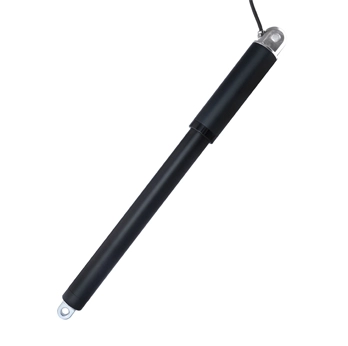
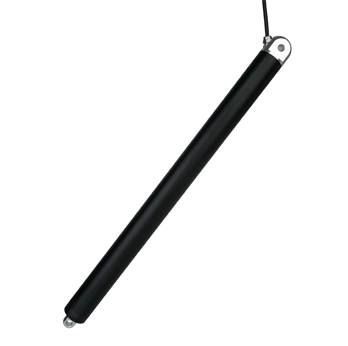
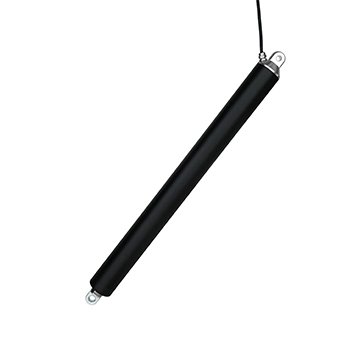
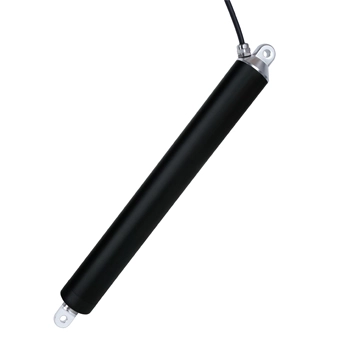
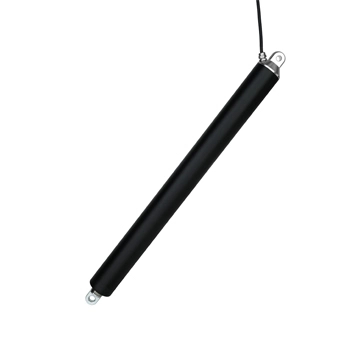
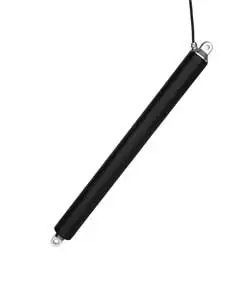

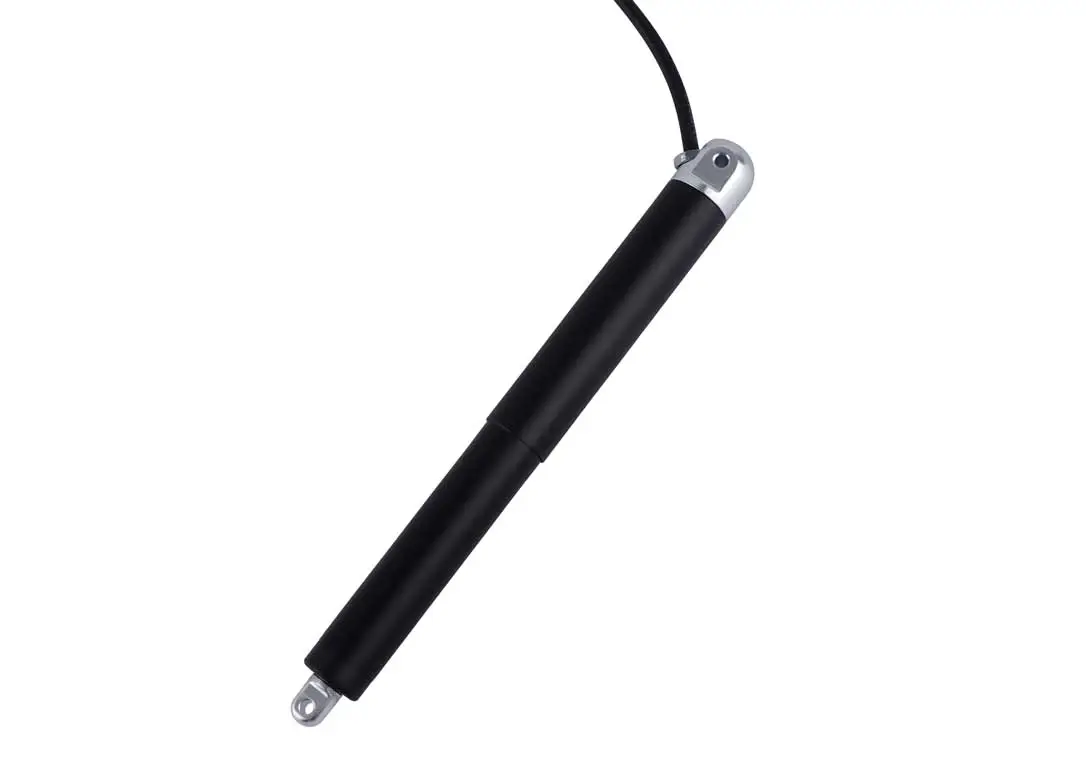
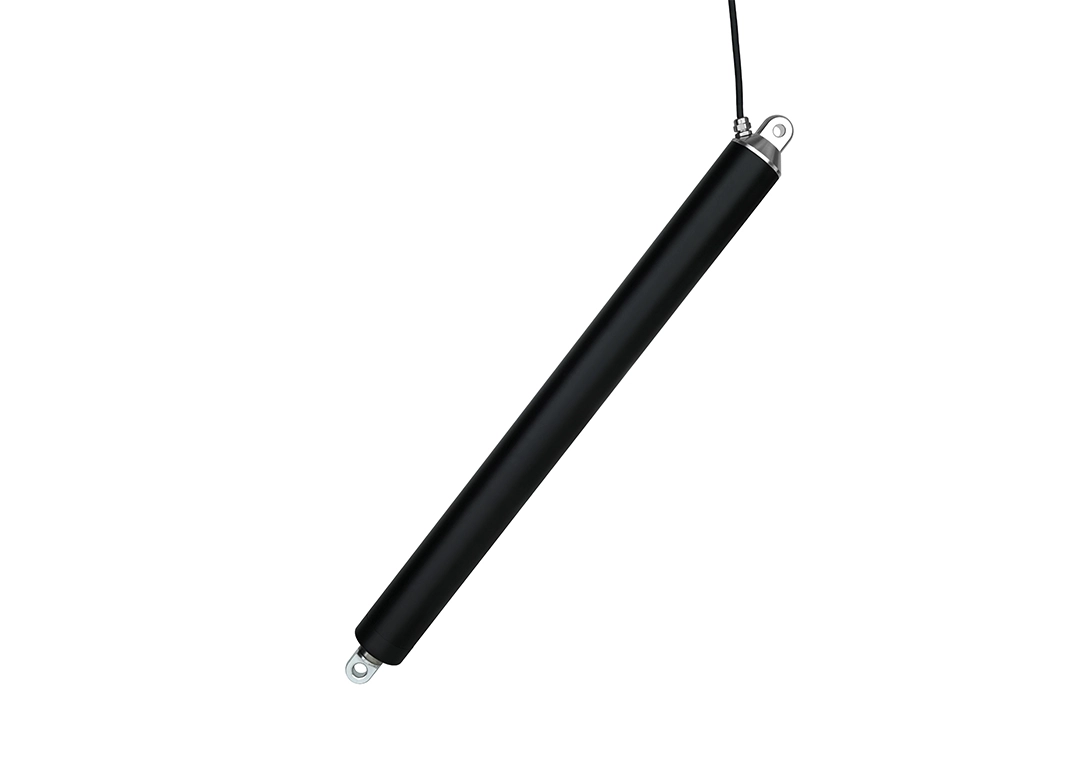
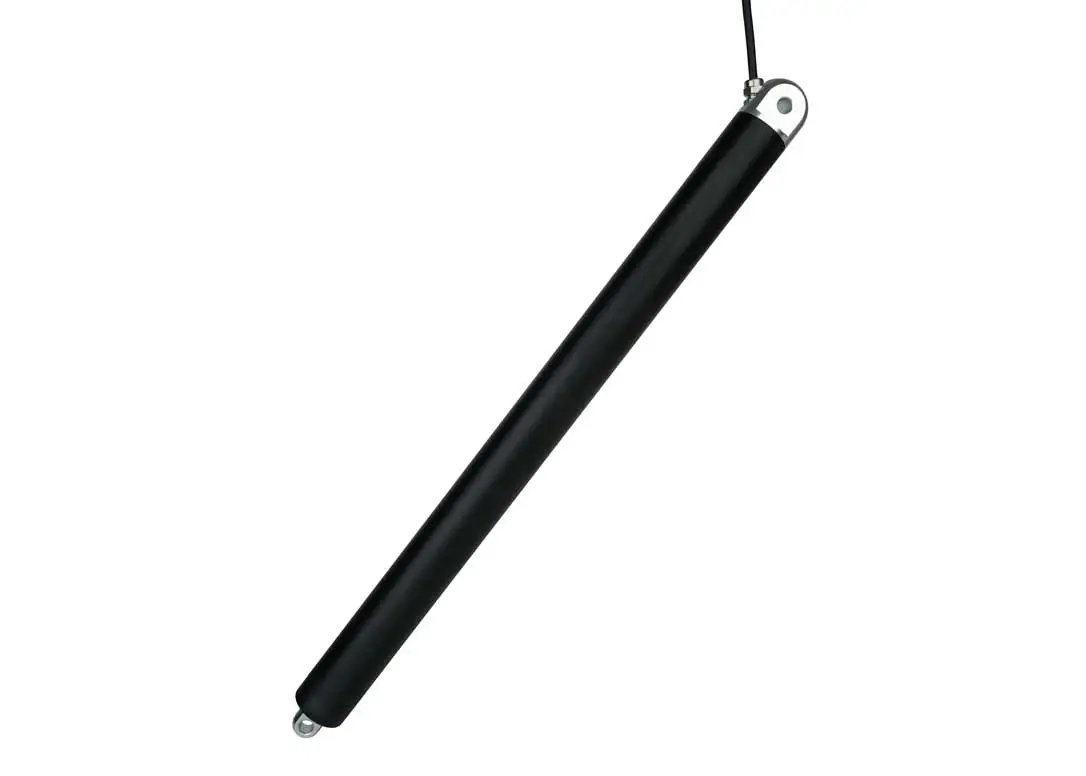

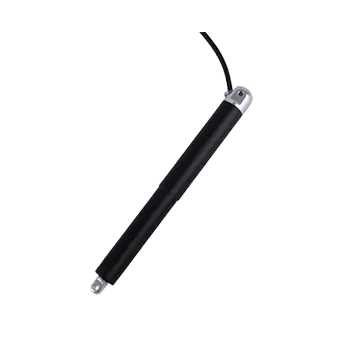 DDTG-16 Micro Tubular Linear Actuator
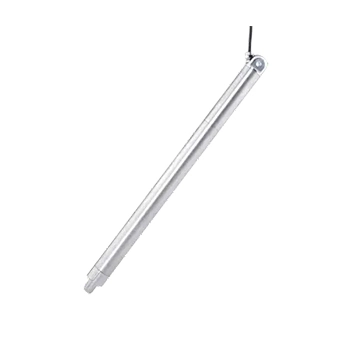 DDTG-28 Micro Tubular Linear Actuator
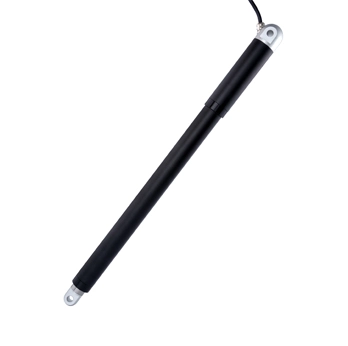 DDTG-38 Micro Tubular Linear Actuator