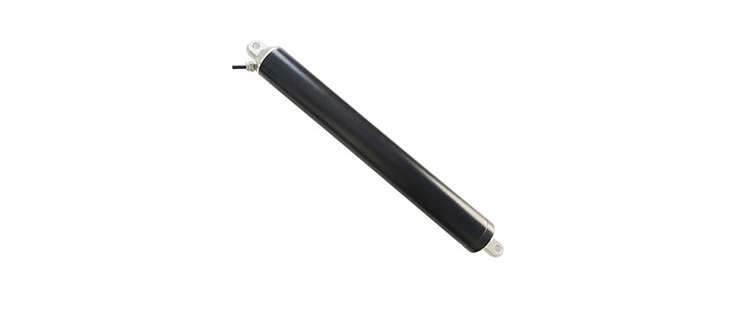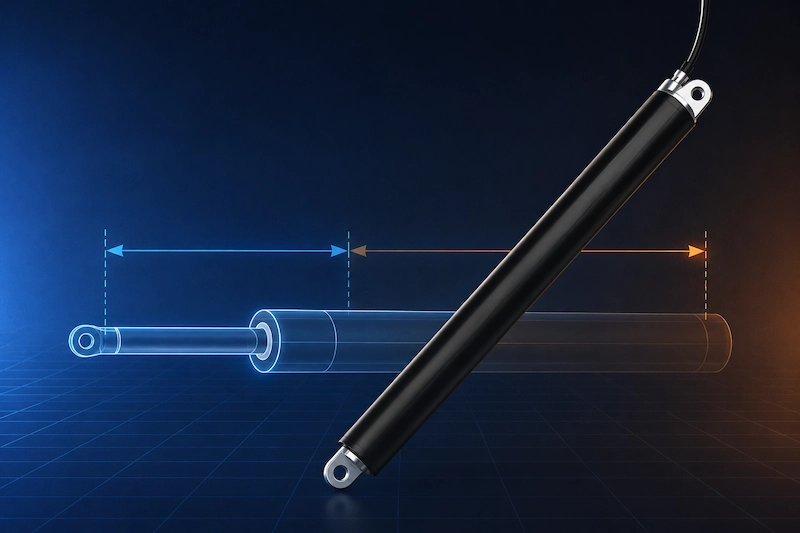
Stroke length and travel distance are often used interchangeably, but they are not the same. Stroke length refers to the maximum linear movement an actuator can achieve internally (from fully retracted to fully extended), while travel distance refers to the actual movement achieved in your application system. In real-world designs, travel distance is frequently less than stroke length due to mounting geometry, linkages, and mechanical constraints.
Understanding this distinction is critical—misinterpreting it leads to undersized actuators, limited motion range, or system interference.
Stroke Length: The Actuator’s Mechanical Capability
Stroke length is a fixed specification defined by the actuator manufacturer.
What Stroke Length Includes
Total extension range of the actuator rod
Internal mechanical limits (end-of-stroke positions)
Built-in limit switch range
For example:
Key Characteristics
Determined by internal design (lead screw length, housing)
Cannot be adjusted without redesigning the actuator
Directly impacts overall actuator length (retracted vs extended size)
Think of stroke length as the maximum available motion envelope.
Travel Distance: The System-Level Movement
Travel distance describes how far your mechanism actually moves when the actuator operates.
What Affects Travel Distance
In many applications, travel distance is a fraction of stroke length.
Why Stroke Length ≠ Travel Distance in Real Applications
1. Mechanical Linkage Reduces Motion
In systems using pivot arms or scissor mechanisms:
Example:
A 100 mm stroke actuator may produce only 60 mm vertical lift
Or, in leverage systems, it could produce 150 mm movement
2. Mounting Geometry Limits Effective Range
If the actuator is installed at an angle:
This is common in:
3. Safety Margins and End Stops
In professional designs:
Effective travel distance is intentionally reduced to improve reliability.
How Do I Calculate Required Stroke Length from Travel Distance?
This is where many selection errors happen.
Step 1: Define Required Output Movement
Step 2: Analyze Mechanical Setup
Step 3: Apply Conversion Factor
Step 4: Add Safety Margin
Final selection ≈ 450–500 mm stroke actuator
What Happens If Stroke Length Is Too Short?
This often results in:
What Happens If Stroke Length Is Too Long?
Oversizing also creates problems:
Increased actuator size and cost
Reduced structural rigidity
Risk of interference with surrounding components
Unused stroke range
More stroke is not always better—it must match the system.
Is Stroke Length the Same as Extension Length?
No, they are related but different.
Similarly:
These dimensions are critical for:
Space planning
Installation constraints
How Does Stroke Length Affect Load Capacity and Speed?
Stroke length indirectly influences performance:
However:
Load capacity and speed are primarily determined by motor and gearing
Stroke length affects mechanical behavior, not just motion range
Can Travel Distance Be Greater Than Stroke Length?
Yes—depending on the mechanism.
In leverage systems:
Example:
But this comes with trade-offs:
Do All Linear Actuators Have the Same Stroke-to-Travel Relationship?
No. The relationship varies widely depending on application design.
Direct Drive Applications
Linkage Systems
Rotational Conversion Systems
This is why actuator selection must always be done at the system level, not just based on actuator specs.
How to Choose the Right Stroke Length for Your Application
1. Start with Actual Motion Requirement
Define:
Required travel distance
Direction of movement
Load conditions
2. Model the Mechanical Geometry
Use:
CAD simulation
Motion analysis tools
Engineering calculations
3. Avoid Using Full Stroke Range
Always leave:
This prevents:
Mechanical stress
Limit switch overuse
4. Verify Installation Space
Check:
Retracted length
Extended length
Clearance during motion
Common Mistakes Engineers Make
Assuming stroke = travel distance
Ignoring mounting geometry
Not accounting for safety margins
Selecting based only on catalog specs
Overlooking interference in full extension
These mistakes often lead to:
FAQ: Practical Questions Engineers Often Ask
Is stroke length always equal to travel distance?
No. Stroke length is the actuator’s internal movement range, while travel distance depends on how the actuator is integrated into the system.
How much longer should stroke be than required travel?
Typically 10%–20% longer, depending on system design and safety requirements.
Can I limit the stroke length of an actuator?
Yes. External limit switches or control systems can restrict motion within a shorter range.
What is the most common mistake when selecting stroke length?
Assuming a 1:1 relationship between actuator movement and system movement without analyzing the mechanism.
Does stroke length affect actuator lifespan?
Yes. Operating near full stroke continuously can increase wear on limit switches and internal components.
Conclusion: Stroke Length Is a Specification—Travel Distance Is a Design Outcome
Stroke length defines what the actuator can do. Travel distance defines what your system actually achieves.
The key to proper selection is:
Translating system motion requirements into actuator stroke
Accounting for geometry, safety margins, and mechanical constraints
Avoiding the assumption of a direct 1:1 relationship
For engineers and buyers, mastering this distinction prevents costly errors and ensures that the actuator integrates seamlessly into the overall system design—delivering both performance and reliability over the long term.
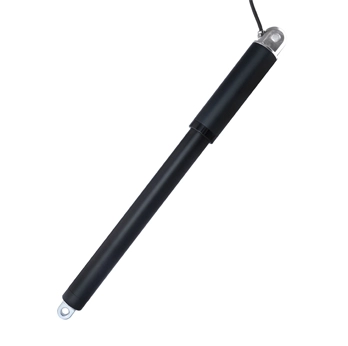
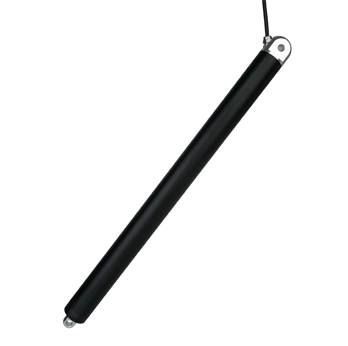
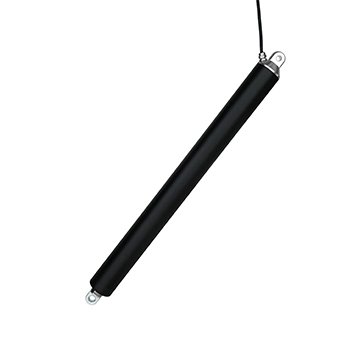
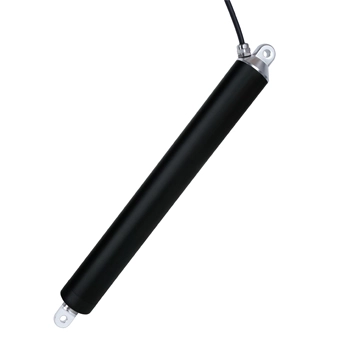
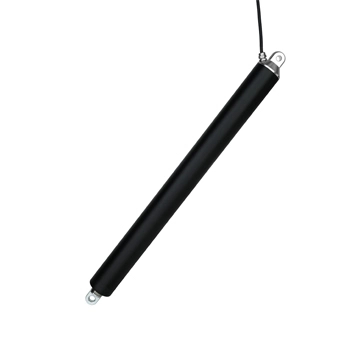

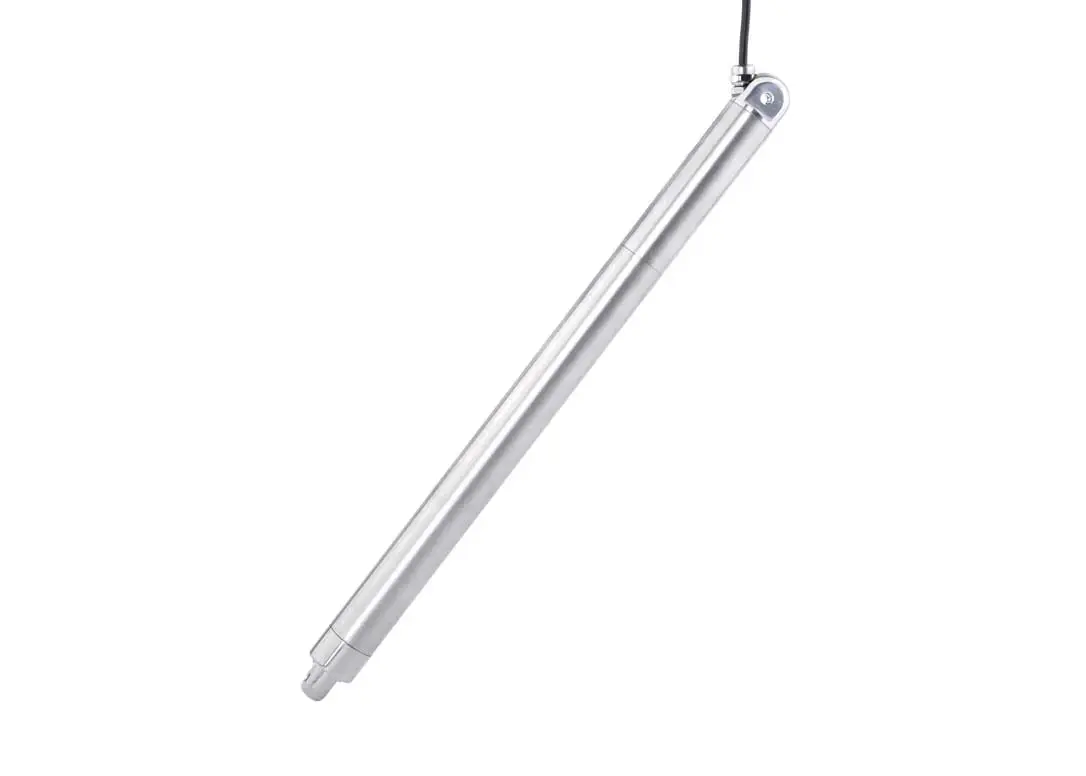
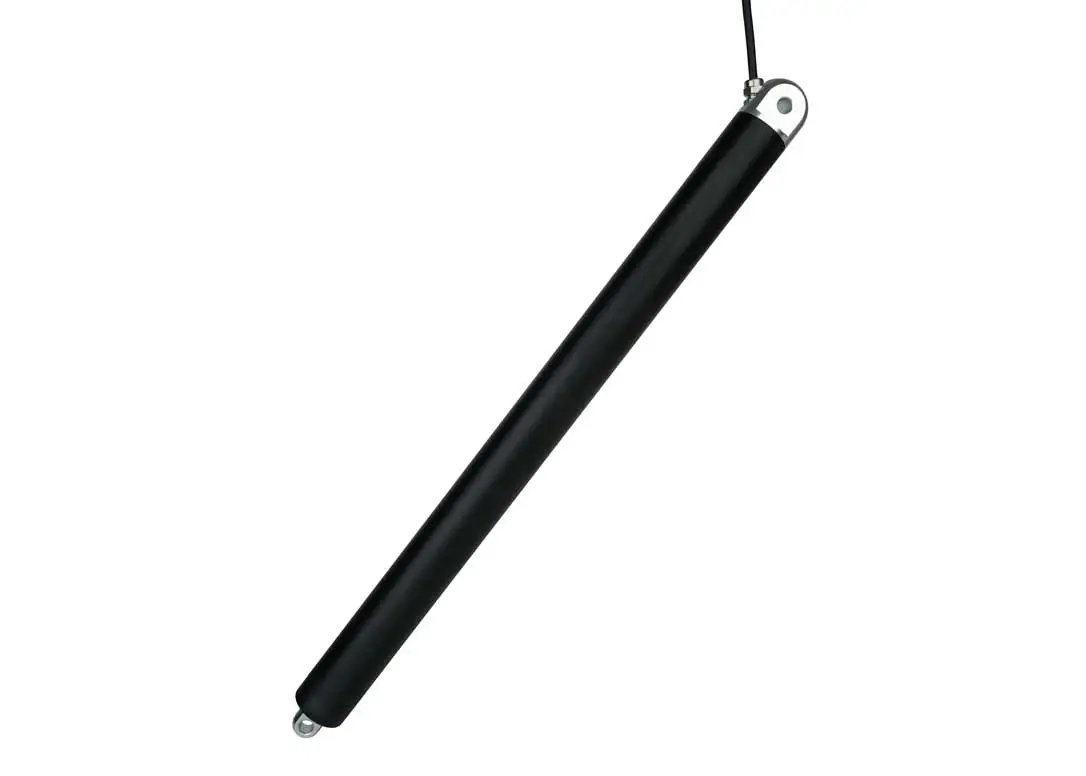
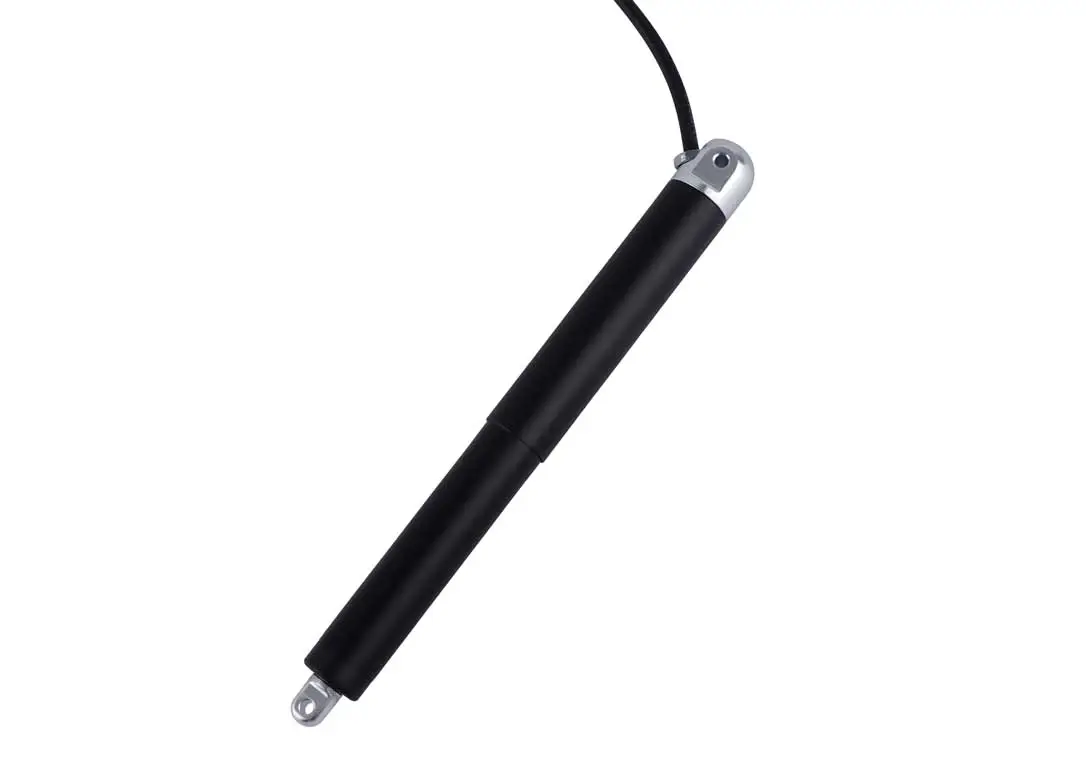

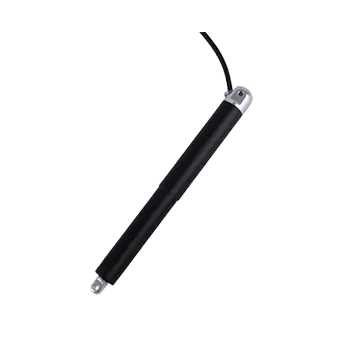 DDTG-16 Micro Tubular Linear Actuator
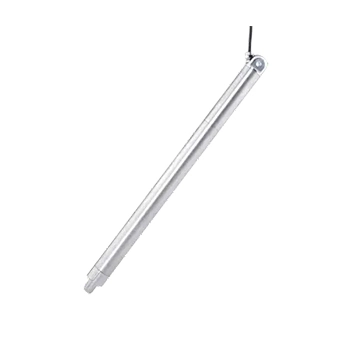 DDTG-28 Micro Tubular Linear Actuator
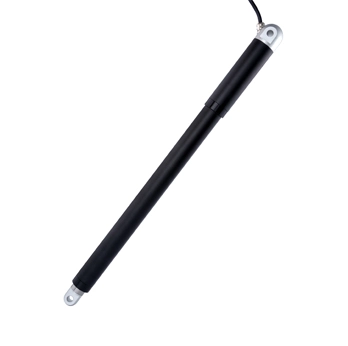 DDTG-38 Micro Tubular Linear Actuator