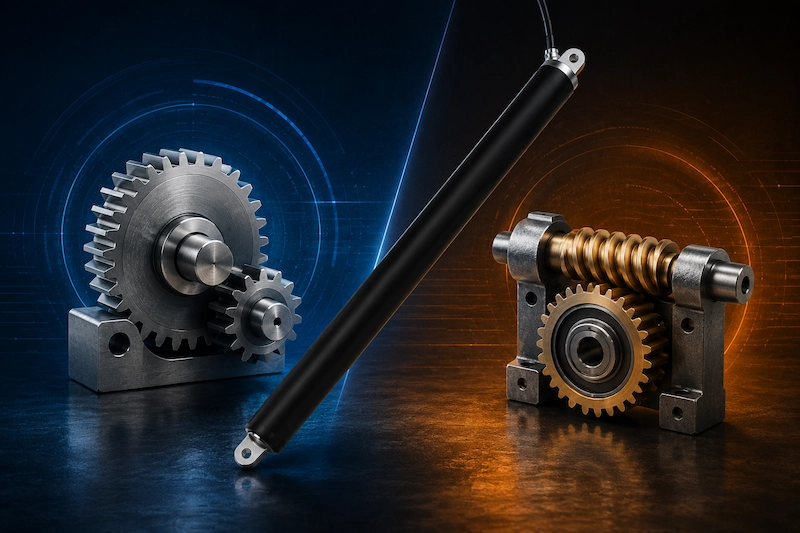
Marine equipment rarely has the luxury of unlimited space, simple operating conditions, or easy access for service. An actuator may need to move a hatch, adjust a control surface, position a mechanical component, or operate equipment in a wet and corrosive environment. The way that motion is generated therefore affects much more than the actuator itself.
This is where the difference between a marine linear actuator and a hydraulic actuator becomes important. Both can deliver controlled linear movement, but they take very different approaches. A marine linear actuator converts electrical energy into mechanical motion, while a hydraulic actuator depends on pressurized fluid and a supporting hydraulic circuit.
For some marine systems, hydraulic power remains the practical choice because high force is already available from an existing hydraulic system. In other applications, an electric actuator can make the overall machine simpler to control and integrate. Comparing the two at the system level gives engineers a much clearer basis for deciding which solution fits a particular marine application.
How Marine Linear Actuators and Hydraulic Actuators Generate Linear Motion
A marine linear actuator is essentially an electrically driven motion system. An electric motor produces rotational movement, which is transferred through a mechanical transmission and converted into linear travel. Screw-driven mechanisms are commonly used for this purpose because they can translate motor rotation into controlled extension and retraction.
The actuator can contain most of the components required to produce motion within one assembly. Electrical power and control signals are supplied to the unit, while the mechanical output is connected directly to the equipment being moved. Depending on the actuator design, feedback and limit-control components can also be incorporated into the system.
A hydraulic actuator takes a different route. A pump pressurizes hydraulic fluid, and valves direct that fluid into a cylinder. Pressure acting on the piston generates the linear force required to move the load. The cylinder itself is only one part of the system; the pump, reservoir, valves, hoses or pipes, fittings, and control components all contribute to the final installation.
This difference is easy to overlook when comparing actuator specifications. A hydraulic cylinder may appear compact when considered on its own, but the complete hydraulic system occupies considerably more space. An electric actuator, on the other hand, may place more of the motion mechanism inside the actuator housing, which can be useful where installation simplicity matters.
Neither operating principle is inherently better. The better fit depends on how the marine equipment is powered, how much force is required, how the motion needs to be controlled, and what supporting infrastructure is already available.
Comparing Force, Speed, and Stroke Performance in Marine Applications
Force, speed, and stroke are usually the specifications that receive the most attention during actuator selection. Looking at them individually, however, can lead to an incomplete decision.
Hydraulic actuators have a well-established advantage in applications that demand substantial force from a relatively compact cylinder. Because hydraulic pressure acts across the piston area, large forces can be generated without relying on a large electric motor inside the actuator.
The performance of a marine linear actuator is determined by the combination of its motor, gear reduction, screw mechanism, load, and duty cycle. A higher motor rating does not automatically mean that an actuator is suitable for every high-load application. The mechanical arrangement of the equipment, the direction of the load, the required speed, and how frequently the actuator operates all influence the actual selection.
Stroke deserves similar attention. An actuator with a longer stroke is not necessarily a better actuator. The available installation space has to accommodate both the actuator body and its movement. At the same time, the stroke should match the actual mechanical travel so that the actuator is not repeatedly operated outside the useful range of the equipment.
| Comparison Factor | Marine Linear Actuator | Hydraulic Actuator |
|---|
| Primary power source | Electrical power | Pressurized hydraulic fluid |
| Motion generation | Electric motor and mechanical transmission | Hydraulic pressure acting on a piston |
| Force capability | Depends on motor, gearing, screw mechanism, and actuator design | Strong force density, particularly for heavy-duty applications |
| Motion control | Electronic motor control and optional feedback | Hydraulic valves, flow control, and pressure management |
| System architecture | Often relatively self-contained | Normally part of a wider hydraulic circuit |
| Position feedback | Can be integrated depending on actuator configuration | Can be achieved but normally requires additional sensing and control arrangements |
For underwater applications, the calculation becomes more demanding because load and movement are only part of the operating picture. A subsea linear actuator may have to work against external water pressure while remaining protected from water ingress and corrosion. Its depth rating, sealing arrangement, materials, and thermal behavior therefore need to be considered alongside force and stroke.
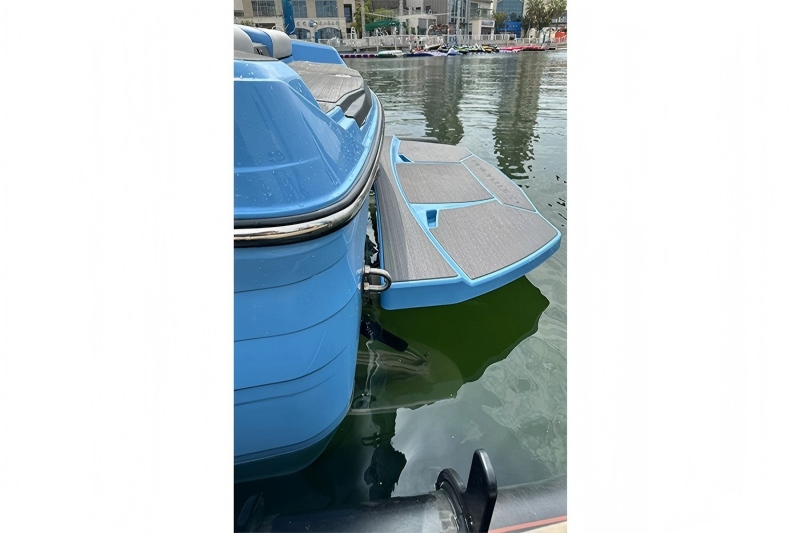
Positioning Accuracy and Motion Control: Electric vs. Hydraulic Actuation
The way an actuator responds to a control command matters just as much as the force it can produce. A marine mechanism that only needs to move between two fixed positions has different requirements from one that must repeatedly stop at specific intermediate positions.
A marine linear actuator can be integrated with position feedback and electronic control systems. Depending on the model and application, technologies such as potentiometers, Hall-effect sensors, or limit switches can provide information about actuator movement and position. That information can then be used by the machine controller to coordinate the actuator with other equipment.
This arrangement is particularly useful in automated marine equipment. Instead of simply applying power until a mechanical stop is reached, the control system can monitor actuator movement and respond to the position signal. The exact level of control available depends on the actuator, feedback device, controller, and mechanical system as a whole.
Hydraulic systems are also capable of accurate motion control. However, achieving stable movement depends on the behavior of the hydraulic circuit. Valve characteristics, fluid flow, pressure changes, load variation, and control strategy can all affect how the cylinder responds.
For equipment that already relies heavily on electronic controls, an electric actuator can offer a more direct path between the controller and the mechanical movement. This does not mean that hydraulic systems cannot provide precise positioning; rather, the two technologies reach the same control objective through different system architectures.
Installation and System Integration Differences Between the Two Actuator Types
Installation can change the balance between the two technologies, particularly on vessels and marine machines where every connection and component has to fit into an existing layout.
A marine linear actuator generally needs a mechanical mounting arrangement, electrical power, and suitable control wiring. Once installed, the actuator can provide the required linear movement without a separate pump or fluid circuit. This can be useful when the machine is already built around electrical controls.
A hydraulic actuator becomes part of a larger power system. The cylinder needs a source of pressurized fluid, and the surrounding hydraulic components must be positioned and connected correctly. Hoses and pipes also have to be routed through the equipment, with attention to connections, vibration, movement, and accessibility.
That additional infrastructure is not necessarily a disadvantage. On a vessel that already has hydraulic power available, using a hydraulic actuator may be more practical than introducing a separate electrical drive arrangement. The question is therefore not simply how large the actuator is, but how much supporting equipment the complete motion system requires.
For engineers comparing electric actuator options, the linear actuator solutions from ZWLD provide a useful reference point for looking at different actuator configurations, including differences in form, drive arrangement, stroke, speed, and load capability. Reviewing the actuator as part of the intended mechanism is more useful than choosing a model from a single specification.
Energy Efficiency and Environmental Considerations for Marine Equipment
Energy use becomes more complicated when an actuator is considered as part of the complete machine.
An electric marine linear actuator draws electrical power when its motor operates. Depending on the actuator design and application, the motor can be controlled directly according to the required movement rather than keeping a hydraulic power unit continuously available to maintain system pressure.
A hydraulic system, by comparison, includes the energy required to operate the pump and manage fluid flow. In heavy-duty equipment this arrangement can still make excellent engineering sense, particularly where hydraulic power is already needed for other functions. Adding a hydraulic cylinder to an existing hydraulic system may be more efficient from a system-design perspective than creating a separate electric drive architecture.
The marine environment adds another concern: protection from water and corrosion. An actuator installed on deck or near seawater needs an enclosure and sealing strategy appropriate to its exposure. Materials, surface treatment, ingress protection, cable connections, and mounting details all contribute to long-term performance.
The requirements become more demanding when the actuator is intended for underwater use. A subsea linear actuator must deal with external water pressure as well as direct water exposure. The conditions at the intended operating depth can affect housing design, seals, lubrication, materials, and internal components.
For this reason, a marine-rated actuator should not automatically be treated as a subsea actuator. The two terms describe different application environments, and the actual environmental requirements need to be matched to the actuator configuration.
When Should You Choose a Marine Linear Actuator Over a Hydraulic Actuator?
The decision usually becomes clearer once the complete equipment architecture is considered.
A marine linear actuator can make sense when the machine already uses electrical controls, when installation space is limited, or when the application benefits from straightforward electronic positioning. It can also be attractive when the design does not otherwise require a hydraulic power unit and the engineering team wants to avoid introducing pumps, fluid lines, and associated components just to operate one linear movement.
Hydraulic actuation remains a strong choice for heavy-duty machinery where high force is central to the application or where a reliable hydraulic power system is already part of the equipment. In such cases, the hydraulic infrastructure is not an additional burden; it is already an integral part of the machine.
The choice becomes more specialized for underwater equipment. A subsea linear actuator needs to be assessed according to operating depth, pressure exposure, sealing, corrosion resistance, load, stroke, speed, and control requirements. The same actuator configuration that works well in a protected marine installation may not be appropriate for prolonged subsea operation.
There is also a practical question: what happens if the actuator needs to be replaced or the system expanded later? A self-contained electric actuator can sometimes make individual motion points easier to install and modify, while a centralized hydraulic system may make multiple high-force functions easier to manage from one power source.
In other words, actuator selection should follow the machine rather than the other way around. When electrical control, compact integration, and controlled linear motion are priorities, a marine linear actuator deserves serious consideration. When force density and existing hydraulic infrastructure dominate the application, hydraulic actuation may remain the more practical solution.
Conclusion
Marine linear actuators and hydraulic actuators solve the same basic problem—creating controlled linear movement—but they fit into marine equipment in very different ways. Electric actuation brings the motor, transmission, and control interface into a compact motion solution, while hydraulic actuation relies on a broader fluid-power system to deliver force.
For marine equipment designers, the meaningful comparison goes beyond rated force. Installation requirements, stroke, speed, position control, available power, environmental exposure, and the existing machine architecture all influence the final choice.
The same principle applies even more strongly to subsea equipment. A subsea linear actuator has to deal with underwater pressure and exposure in addition to the mechanical requirements of the application, so its environmental specification should be verified as carefully as its force and stroke performance.
ZWLD's range of linear actuator solutions can be considered when an electrically driven motion system needs to be integrated into marine or other demanding equipment. When the application has unusual load, stroke, speed, mounting, voltage, or environmental requirements, you can discuss your actuator requirements with ZWLD so the operating conditions can be considered before selecting a suitable configuration.
FAQs
1. What is the main difference between a marine linear actuator and a hydraulic actuator?
A marine linear actuator normally uses an electric motor and mechanical transmission to create linear movement, while a hydraulic actuator uses pressurized fluid to move a piston. The difference affects system architecture, installation, control, and power requirements.
2. Is a marine linear actuator better than a hydraulic actuator?
Neither technology is universally better. A marine linear actuator can be a good fit for electrically controlled equipment requiring compact integration and positioning control, while hydraulic actuation can be preferable for very high-force applications or equipment that already has hydraulic infrastructure.
3. Can a marine linear actuator provide accurate positioning?
Yes. Depending on the actuator configuration, feedback devices such as potentiometers or Hall-effect sensors can be used to monitor actuator position and support electronic motion control.
4. What specifications matter when selecting a marine linear actuator?
Force, stroke, speed, duty cycle, voltage, mounting configuration, available space, environmental exposure, and feedback requirements should all be considered together rather than selecting an actuator based on force alone.
5. Can a marine linear actuator be used underwater?
It depends on the actuator's environmental specification. A subsea linear actuator needs to be suitable for the intended water exposure and operating depth, with appropriate sealing, materials, and pressure resistance. A general marine actuator should not automatically be assumed to be suitable for subsea service.
6. When is a hydraulic actuator a better choice for marine equipment?
Hydraulic actuation can be advantageous when the equipment requires very high force, already has a hydraulic power system, or uses several hydraulic functions that can share the same power source. The complete system should be evaluated before making the decision.
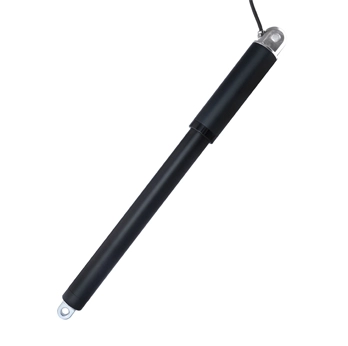
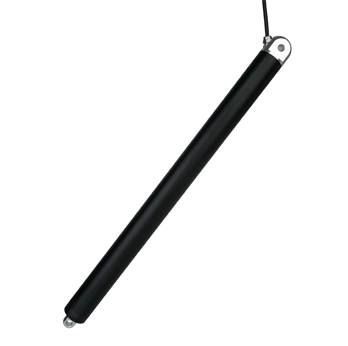
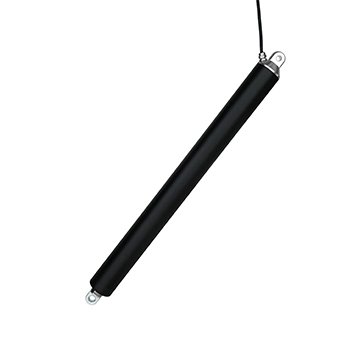
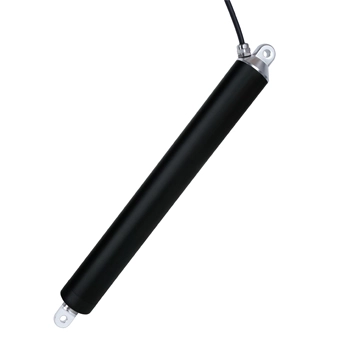
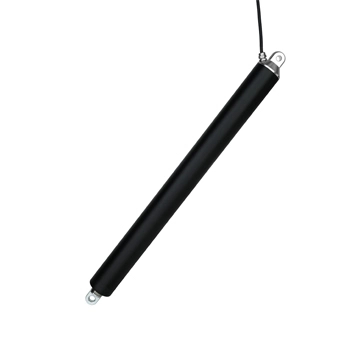
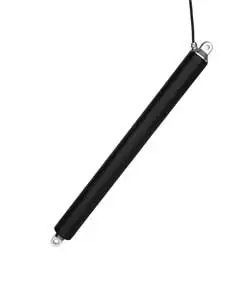

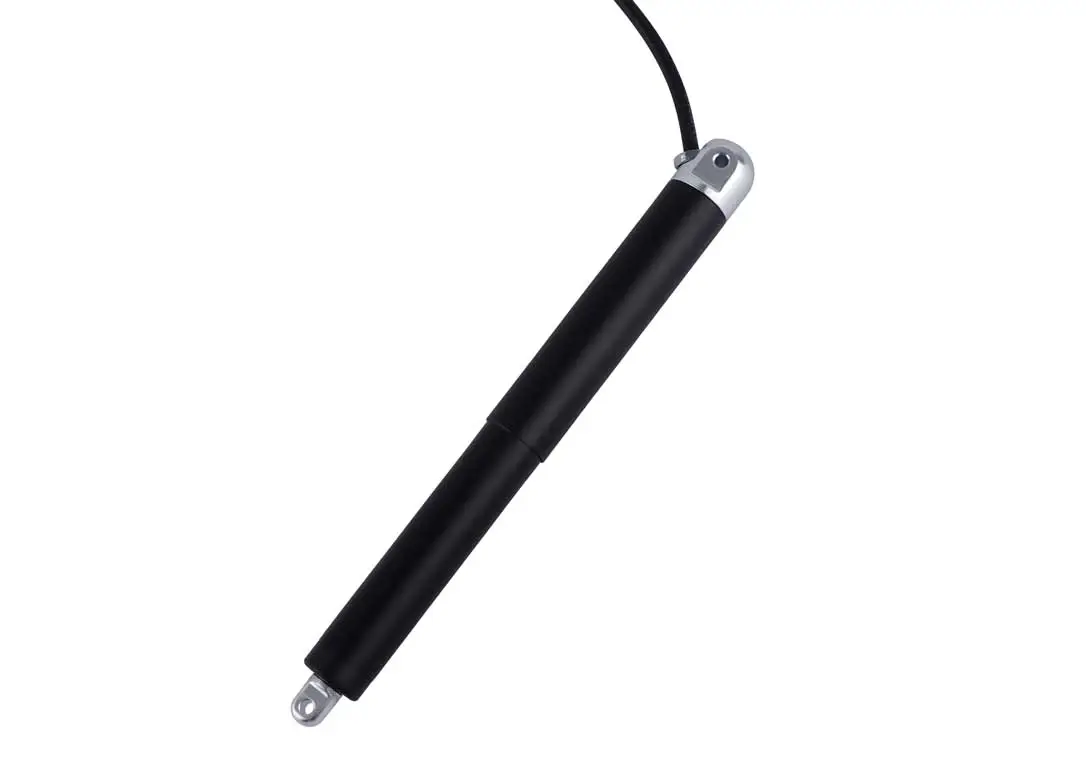
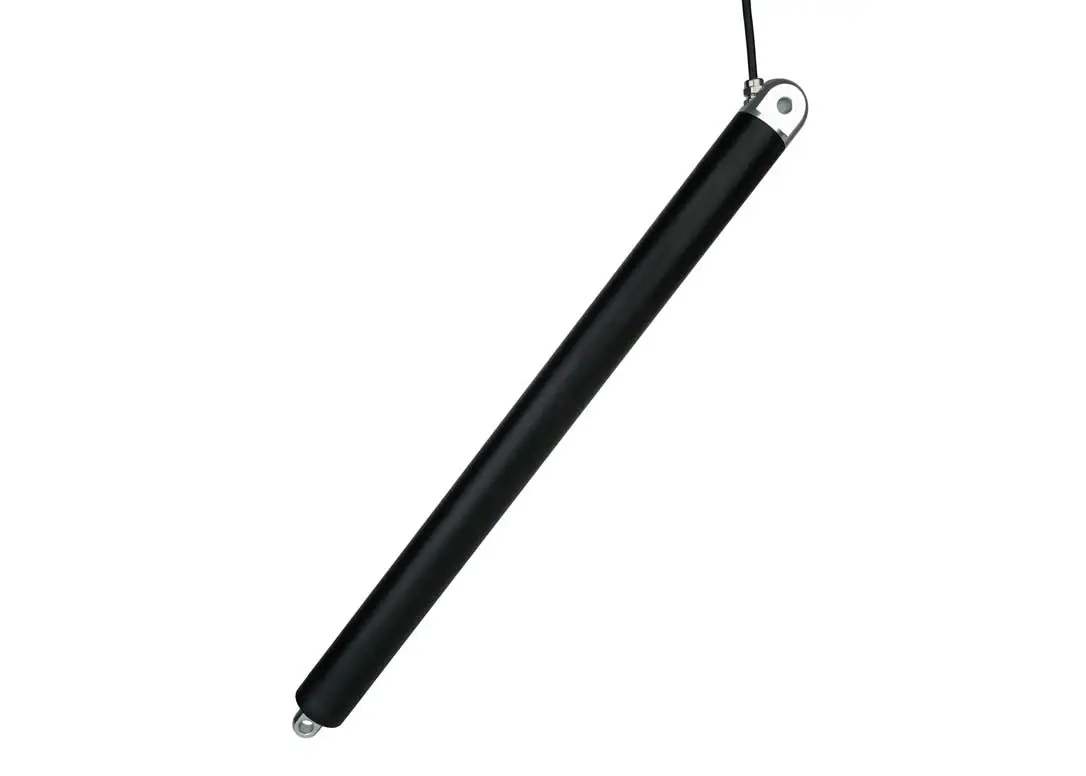
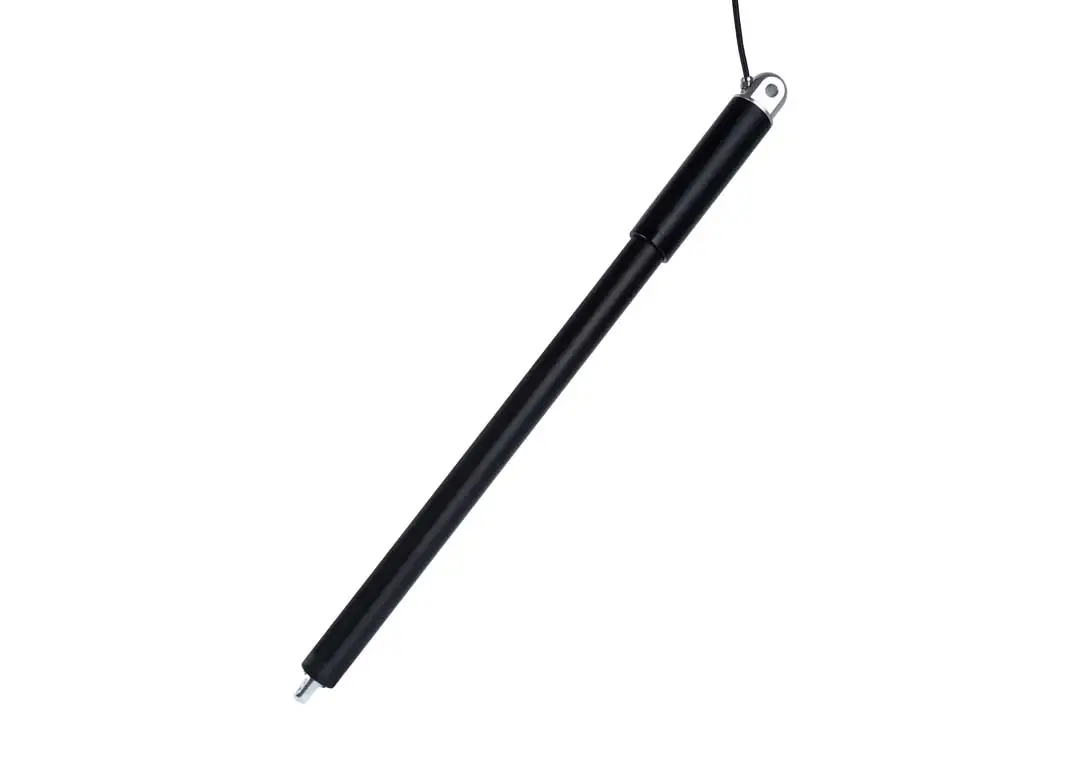


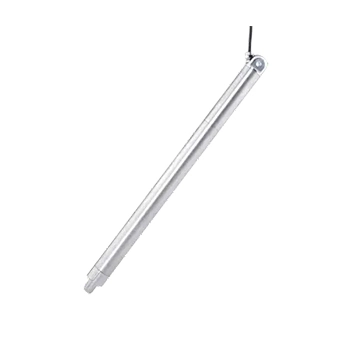
 DDTG-16 Micro Tubular Linear Actuator
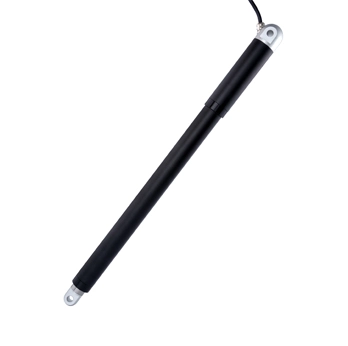
 DDTG-28 Micro Tubular Linear Actuator
 DDTG-38 Micro Tubular Linear Actuator