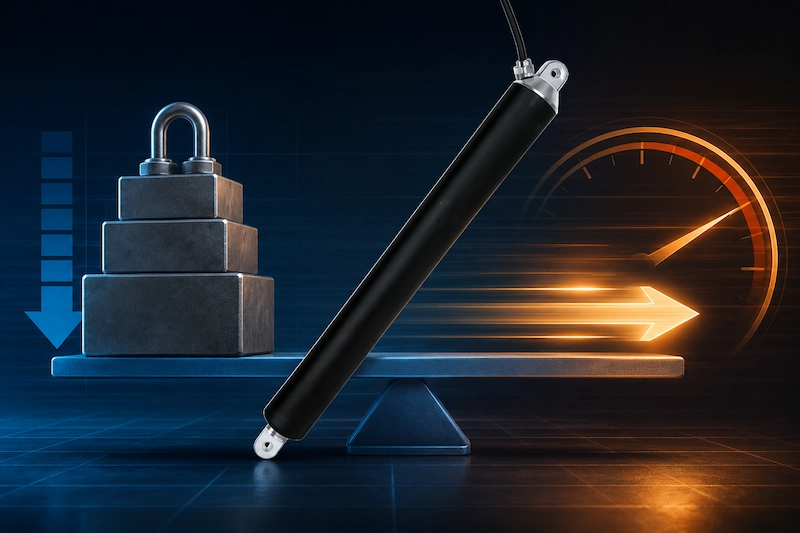
A heavy duty linear actuator is designed to move, lift, push, pull, tilt, or position loads that exceed the capabilities of standard electric actuators. These actuators are commonly found in industrial automation, agricultural machinery, construction equipment, material handling systems, solar tracking installations, and heavy vehicle applications.
Choosing the right heavy-duty actuator requires more than simply selecting the highest force rating available. Buyers must carefully evaluate load characteristics, duty cycle, stroke length, speed, environmental conditions, mounting methods, and long-term operating costs.
For high-force applications, the most reliable solution is typically an actuator that provides a minimum 25–50% force safety margin, appropriate environmental protection, and a duty cycle that matches actual operating conditions.
This guide explains how engineers, procurement teams, OEM manufacturers, and equipment builders can select the right heavy-duty linear actuator for demanding applications.
What Is a Heavy Duty Linear Actuator?
A heavy duty linear actuator is an electromechanical device engineered to generate substantial linear force while maintaining reliability under demanding operating conditions.
Compared with standard actuators, heavy-duty models typically feature:
These features enable the actuator to withstand higher loads, shock forces, vibration, and harsh environmental conditions.
Typical Force Range of Heavy Duty Linear Actuators
Heavy-duty actuators are available in a wide range of force capacities.
| Force Rating | Typical Applications |
|---|
| 2,000N–5,000N | Industrial equipment |
| 5,000N–10,000N | Agricultural machinery |
| 10,000N–20,000N | Material handling systems |
| 20,000N–50,000N | Construction equipment |
| 50,000N+ | Specialized heavy industries |
Understanding Force Units
Manufacturers may specify force in:
Newtons (N)
Kilonewtons (kN)
Pounds-force (lbs)
Common conversions:
| Unit | Equivalent |
|---|
| 1kN | 1000N |
| 1000N | 225 lbs |
| 10kN | 2248 lbs |
| 20kN | 4496 lbs |
Always verify units when comparing products.
Step 1: Calculate Required Force Correctly
Force calculation is the foundation of actuator selection.
One of the most common purchasing mistakes is underestimating the actual load.
Static Load vs Dynamic Load
Static Load
The load when the system is stationary.
Examples:
Holding a platform
Supporting equipment
Dynamic Load
The load while moving.
Dynamic loads are often higher due to:
Acceleration
Friction
Shock loading
Inclined movement
Recommended Safety Factor
Industry best practices recommend:
| Application Type | Safety Factor |
|---|
| Light Industrial | 1.25× |
| General Industrial | 1.5× |
| Heavy Duty | 2× |
| High Shock Loads | 2.5×+ |
Example
Required lifting force:
With a 1.5 safety factor:
This additional margin improves reliability and extends service life.
Step 2: Determine the Required Stroke Length
Stroke length refers to the total distance traveled by the actuator rod.
Typical heavy-duty stroke options include:
| Stroke Length | Common Uses |
|---|
| 100mm | Positioning systems |
| 200mm | Industrial equipment |
| 300mm | Material handling |
| 500mm | Agricultural machinery |
| 1000mm | Large automation systems |
| 1500mm+ | Specialized applications |
Avoid Oversizing Stroke Length
Longer strokes can result in:
Choose only the stroke necessary for the intended motion.
Step 3: Understand the Force-Speed Relationship
A critical reality of actuator design is that force and speed are inversely related.
Generally:
Typical Performance Comparison
| Force | Speed |
|---|
| 2,000N | 50 mm/s |
| 5,000N | 25 mm/s |
| 10,000N | 15 mm/s |
| 20,000N | 8 mm/s |
| 50,000N | 3 mm/s |
This trade-off is caused by gearbox reduction ratios.
Buyers should determine whether speed or force is the primary requirement.
Step 4: Evaluate Duty Cycle Requirements
Duty cycle indicates how long an actuator can operate before cooling is required.
Many failures occur because duty cycle requirements were ignored during purchasing.
Common Duty Cycle Ratings
| Duty Cycle | Operating Pattern |
|---|
| 10% | 1 min ON / 9 min OFF |
| 25% | 2.5 min ON / 7.5 min OFF |
| 50% | 5 min ON / 5 min OFF |
| 100% | Continuous operation |
Applications Requiring High Duty Cycles
Examples include:
For these systems, higher-duty actuators are usually worth the additional investment.
Step 5: Choose the Right IP Rating
Heavy-duty actuators often operate in harsh environments.
Selecting the wrong IP rating can lead to costly failures.
Common Protection Levels
| IP Rating | Protection Level |
|---|
| IP54 | Basic protection |
| IP65 | Dust-tight and water jets |
| IP66 | Heavy water spray |
| IP67 | Temporary immersion |
| IP68 | Continuous immersion |
Industry Recommendations
Factory Automation
Recommended:
Agriculture
Recommended:
Construction Equipment
Recommended:
Marine Applications
Recommended:
Step 6: Consider Mounting Configuration
Mounting geometry significantly affects performance.
Improper mounting can create:
Side loading
Rod bending
Premature bearing wear
Reduced lifespan
Common Mounting Styles
Clevis Mounting
Advantages:
Allows angular movement
Reduces side loads
Applications:
Construction equipment
Agricultural machinery
Trunnion Mounting
Advantages:
Applications:
Fixed Mounting
Advantages:
Applications:
Major Industries Using Heavy Duty Linear Actuators
Industrial Automation
Applications:
Material handling
Automated machinery
Positioning systems
Benefits:
Precise control
Reduced maintenance
Easy integration
Agriculture
Applications:
Seeder adjustments
Sprayer positioning
Harvesting equipment
Benefits:
Construction Equipment
Applications:
Access panels
Adjustable platforms
Safety systems
Benefits:
High force output
Compact installation
Solar Energy
Applications:
Single-axis trackers
Dual-axis trackers
Benefits:
Heavy Vehicles
Applications:
Lift gates
Truck covers
Adjustable equipment
Benefits:
Electric vs Hydraulic Systems
Many buyers compare heavy-duty actuators with hydraulic cylinders.
Electric Actuator Advantages
| Benefit | Description |
|---|
| Cleaner Operation | No hydraulic fluid |
| Lower Maintenance | Fewer service requirements |
| Better Position Control | Precise movement |
| Easier Installation | No pumps or hoses |
| Energy Efficiency | Power only when moving |
Hydraulic Advantages
Hydraulics remain advantageous for:
However, modern heavy duty linear actuator technology continues to replace hydraulics in many industries due to lower lifecycle costs.
Common Purchasing Mistakes
Selecting Based Only on Force
Many buyers ignore:
Speed
Stroke
Duty cycle
Environment
The result is often poor system performance.
Ignoring Side Loading
Linear actuators are designed for axial loads.
Excessive side loading can dramatically reduce lifespan.
External guides should be used when necessary.
Underestimating Environmental Conditions
Dust, moisture, chemicals, vibration, and temperature extremes all affect actuator longevity.
Always select a model designed for the actual operating environment.
Choosing the Lowest-Cost Option
A low-cost actuator may require:
More maintenance
More downtime
Earlier replacement
Total ownership cost is often more important than purchase price.
Key Questions to Ask Suppliers
Before requesting a quotation, prepare the following information:
Load Requirements
What force must be moved?
Stroke Length
How far must the actuator travel?
Operating Speed
How quickly must movement occur?
Duty Cycle
How often will the actuator operate?
Environmental Conditions
Indoor, outdoor, marine, agricultural, or industrial?
Control Requirements
Will the actuator integrate with:
Providing these details helps suppliers recommend the most suitable solution.
Cost Factors Affecting Heavy Duty Actuator Pricing
The cost of a heavy duty linear actuator is influenced by:
Custom-engineered solutions generally involve higher upfront costs but often provide superior performance and longer service life.
Final Recommendations
Choosing the right heavy duty linear actuator involves balancing force, speed, stroke length, duty cycle, environmental protection, and long-term operating costs. Buyers who focus solely on maximum force ratings often overlook factors that have a greater impact on reliability and performance.
The best actuator selection process begins with accurate load calculations, realistic operating conditions, and sufficient safety margins. Whether the application involves industrial automation, agriculture, solar tracking, heavy vehicles, or construction equipment, a properly specified heavy-duty actuator can deliver years of dependable service while reducing maintenance requirements and improving overall system efficiency.
FAQ
What force rating is considered heavy duty?
Most industrial suppliers classify actuators above 2,000N–5,000N as heavy-duty, although requirements vary by industry.
Can a heavy-duty linear actuator replace a hydraulic cylinder?
In many applications, yes. Modern electric actuators provide high force, precise control, and lower maintenance costs.
What IP rating is best for outdoor use?
IP66 or IP67 is generally recommended for outdoor industrial environments.
How much safety margin should be included?
A 25–50% safety margin is common, while high-shock applications may require 100% or more.
How long does a heavy-duty linear actuator last?
A properly sized and maintained actuator can operate for many years and hundreds of thousands of cycles, depending on duty cycle and operating conditions.
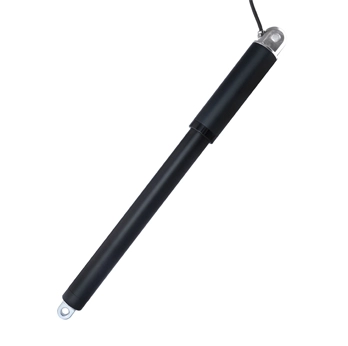
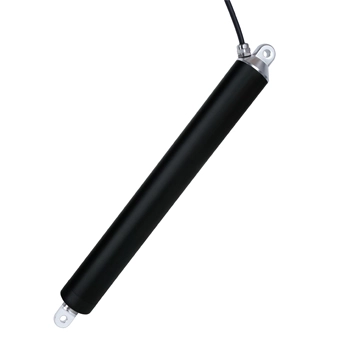

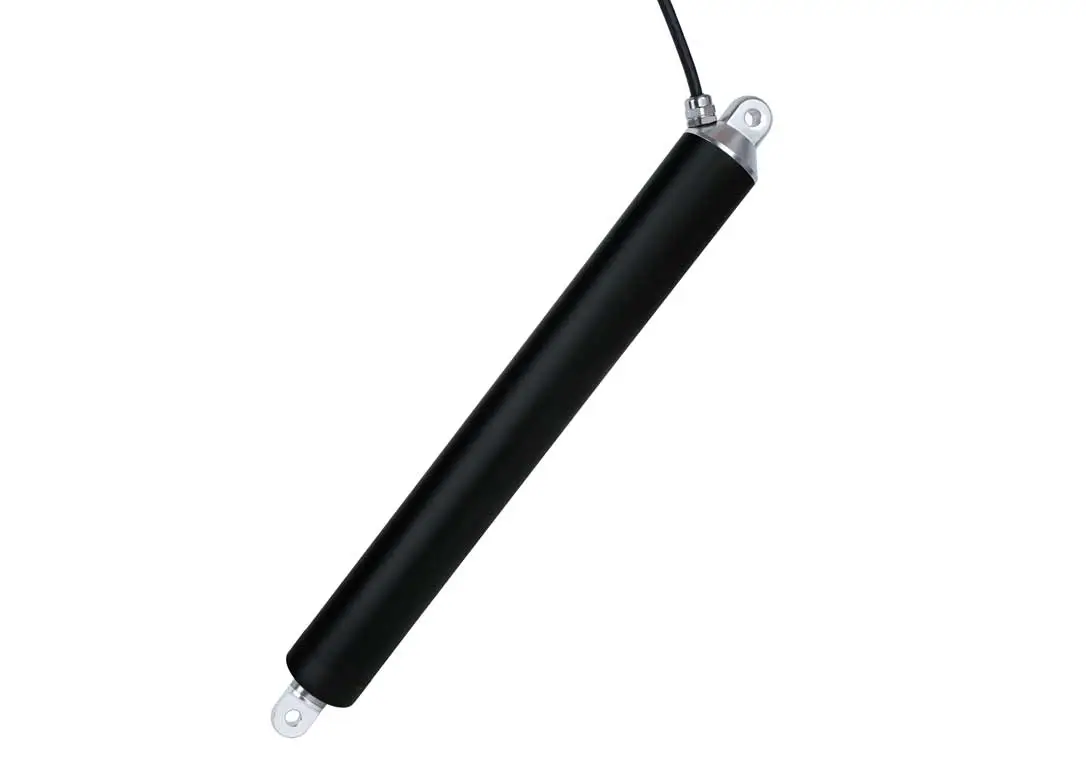
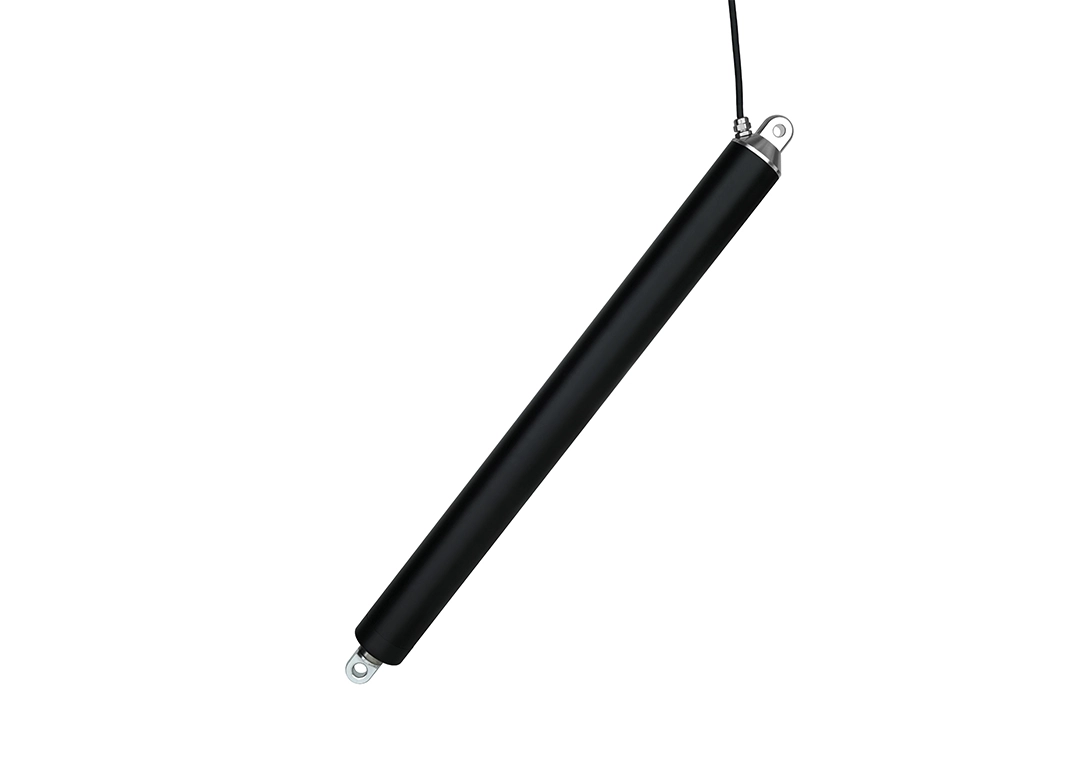
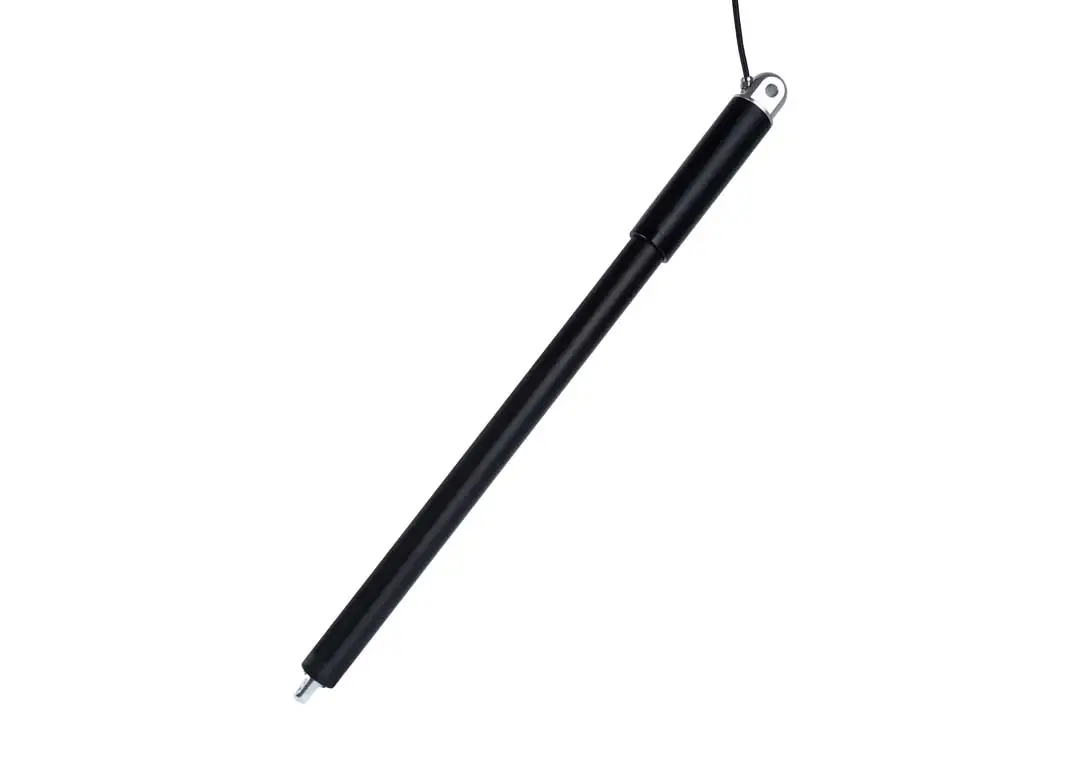

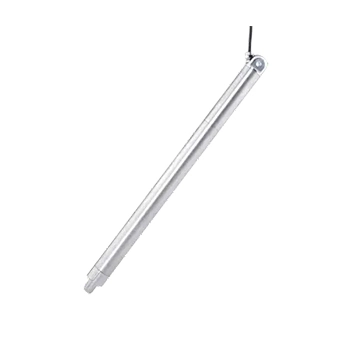
 DDTG-16 Micro Tubular Linear Actuator
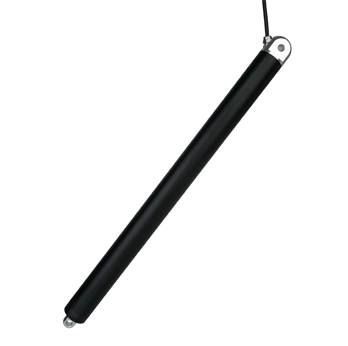
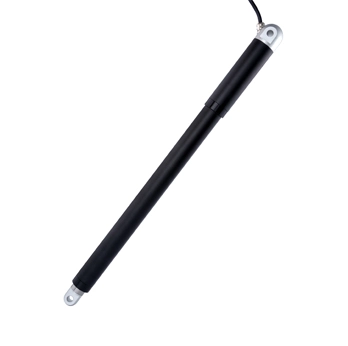
 DDTG-28 Micro Tubular Linear Actuator
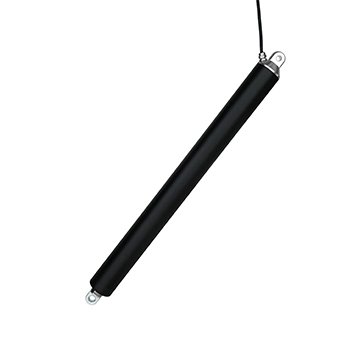
 DDTG-38 Micro Tubular Linear Actuator