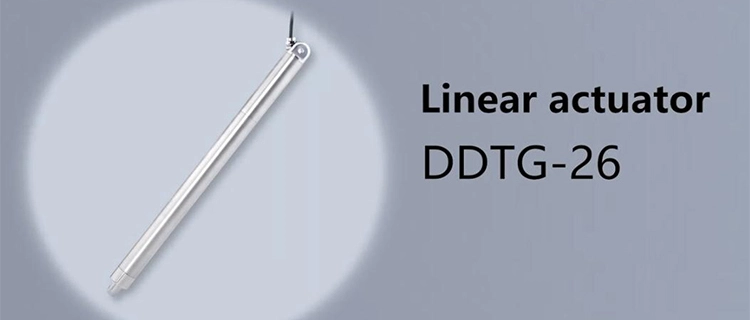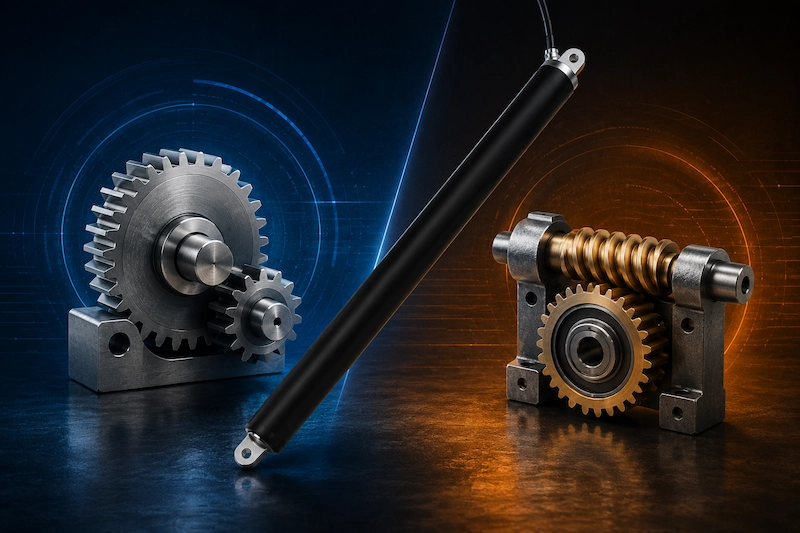
Choosing between spur gear and worm gear linear actuators directly impacts speed, load holding, efficiency, and safety. Spur gear actuators are typically faster and more efficient, making them suitable for dynamic applications. Worm gear actuators, on the other hand, provide superior load-holding capability and self-locking behavior, making them ideal for heavy-duty and vertical load applications where backdriving must be prevented.
The right choice depends less on “which is better” and more on how your actuator will be used under real operating conditions.
How Gear Type Affects Linear Actuator Performance
Inside an electric linear actuator, the gear system converts motor rotation into usable torque. This torque is then translated into linear motion via a lead screw or ball screw.
The gear type determines:
Torque output
Speed characteristics
Backdriving behavior
Mechanical efficiency
Heat generation
In practice, gear selection defines how well an actuator balances force, speed, and control.
Spur Gear Linear Actuators: High Efficiency and Speed
How Spur Gears Work
Spur gears consist of straight teeth mounted on parallel shafts. They transfer motion directly with minimal sliding friction.
Key Advantages
1. Higher Efficiency
This results in:
Lower power consumption
Reduced heat generation
2. Faster Operating Speeds
Common use cases:
3. Better for Frequent Cycling
Limitations of Spur Gear Actuators
1. No Self-Locking
2. Lower Load-Holding Capability
Worm Gear Linear Actuators: Superior Load Holding and Safety
How Worm Gears Work
A worm gear consists of a screw (worm) driving a gear wheel. The motion involves significant sliding contact.
Key Advantages
1. Self-Locking Capability
This is critical for:
Lifting systems
Medical equipment
Industrial platforms
2. Higher Torque Output
3. Enhanced Safety
Limitations of Worm Gear Actuators
1. Lower Efficiency
This leads to:
2. Slower Speed
3. Heat Management Requirements
Spur Gear vs Worm Gear: Side-by-Side Comparison
| Feature | Spur Gear Actuator | Worm Gear Actuator |
Efficiency | High (70%–90%) | Moderate (40%–70%) |
Speed | Faster | Slower |
Load Capacity | Moderate | High |
Self-Locking | No | Yes (in most cases) |
Backdriving | Possible | Prevented |
Heat Generation | Lower | Higher |
Duty Cycle Suitability | Higher | Lower (in heavy load conditions) |
Typical Applications | Automation, furniture | Lifting, heavy-duty systems |
Which Gear Type Is Better for Linear Actuators?
It depends on your application priorities:
There is no universal “better” option—only better alignment with your application needs.
Do Worm Gear Actuators Always Prevent Backdriving?
In most cases, yes—but not always.
Self-locking depends on:
Lead angle of the worm
Friction coefficient
Load conditions
Under certain conditions (e.g., vibration or wear):
For safety-critical systems, additional locking mechanisms are still recommended.
Are Spur Gear Actuators Less Reliable?
Not inherently.
Spur gear actuators:
However:
Reliability depends more on application design than gear type alone.
How Does Gear Type Affect Linear Actuator Lifespan?
Spur Gear Systems
Worm Gear Systems
In heavy-load applications, worm gears still outperform due to their torque advantages despite higher wear.
Can You Combine Both Gear Types in One System?
Yes. Some advanced actuator designs use:
This allows:
However:
Common Mistakes When Choosing Gear Types
Selecting spur gears for vertical lifting without braking
Using worm gears in high-speed applications
Ignoring efficiency and thermal impact
Overlooking duty cycle limitations
Assuming self-locking eliminates all safety concerns
These mistakes often lead to:
System inefficiency
Premature wear
Safety risks
FAQ: What Buyers and Engineers Often Ask
Which gear type is better for heavy loads?
Worm gear actuators are better suited due to higher torque output and self-locking capability.
Are worm gear actuators slower?
Yes. Their high reduction ratio prioritizes force over speed.
Can spur gear actuators hold position without power?
Not reliably. External braking or motor holding torque is required.
Which gear type is more energy-efficient?
Spur gear systems are significantly more efficient due to lower friction.
Do worm gear actuators require more maintenance?
Yes. Higher friction means more heat and wear, requiring proper lubrication and monitoring.
Conclusion: Gear Selection Is a Strategic Performance Decision
Spur and worm gear actuators serve fundamentally different purposes.
Spur gears prioritize speed, efficiency, and responsiveness
Worm gears prioritize force, safety, and load holding
The most effective actuator selection comes from:
Understanding your load conditions
Defining speed and duty cycle requirements
Evaluating safety needs (especially backdriving)
For industrial buyers and engineers, choosing the right gear type is not just a technical decision—it directly affects system performance, reliability, and long-term operating cost.
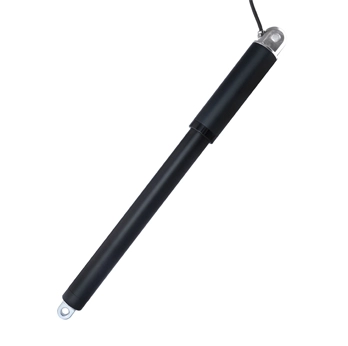
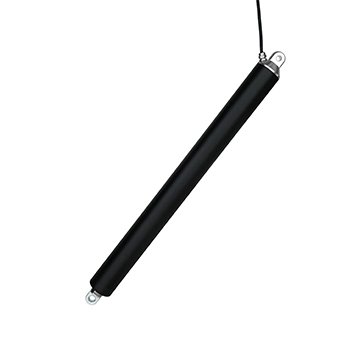
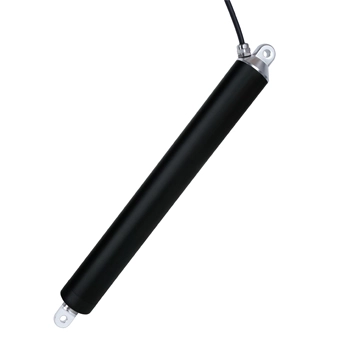
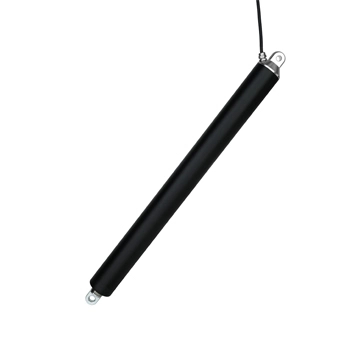

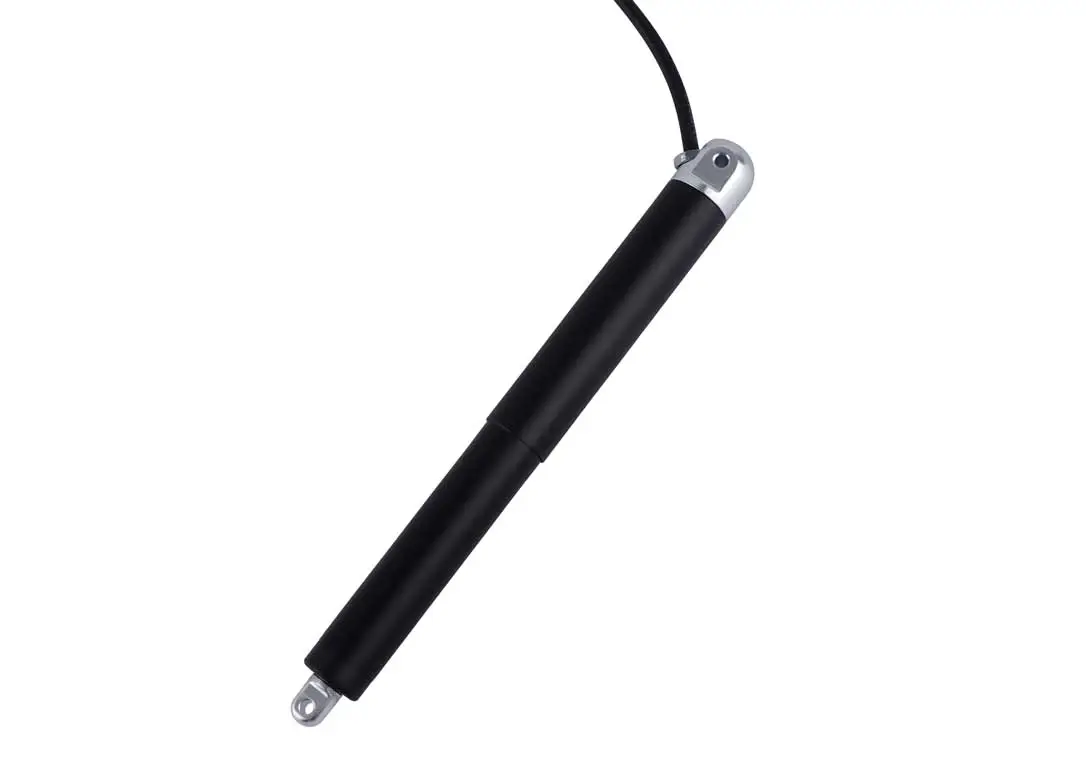
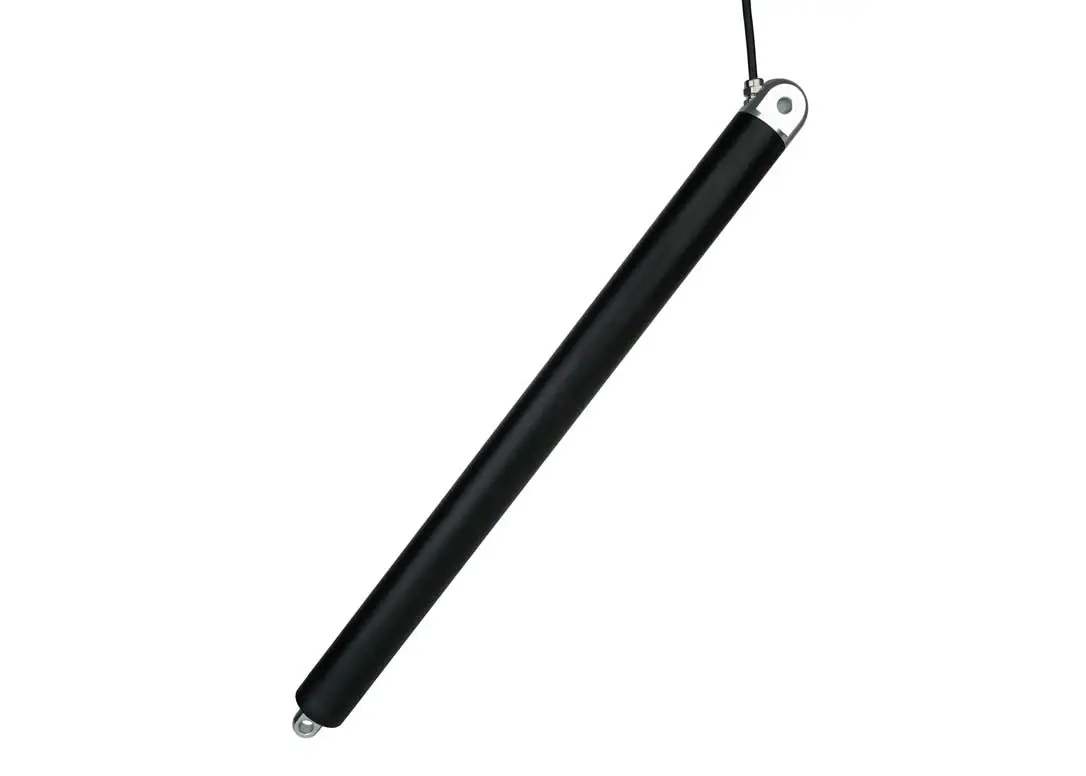
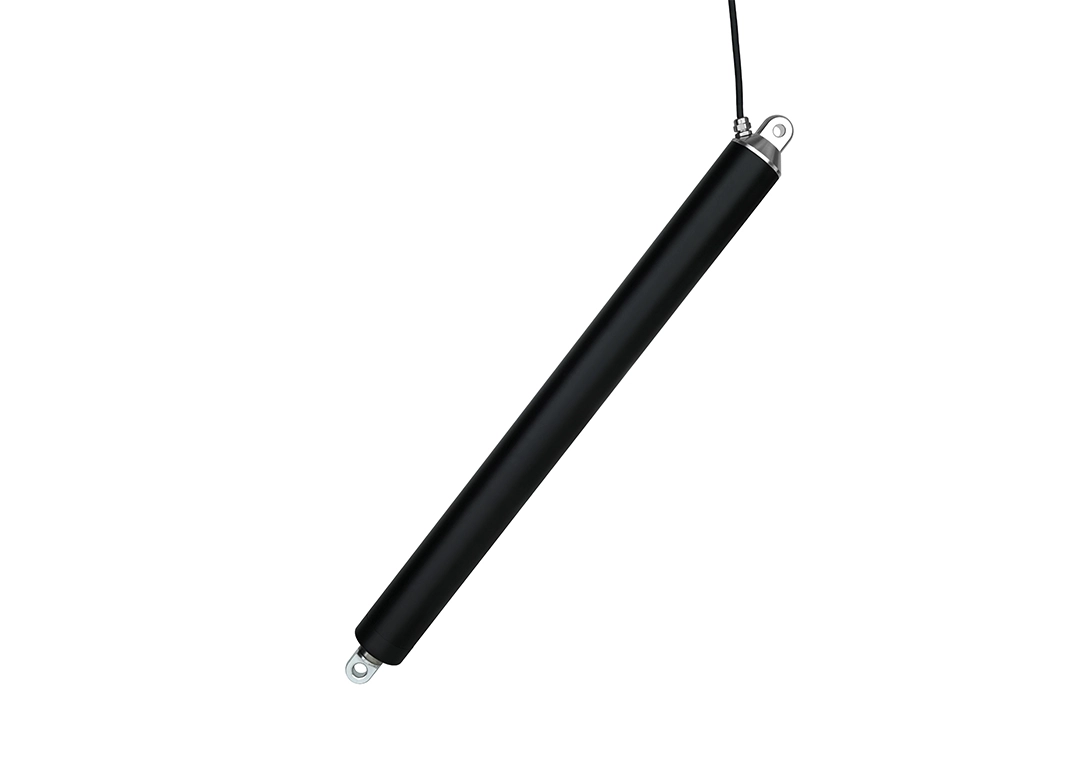


 DDTG-16 Micro Tubular Linear Actuator
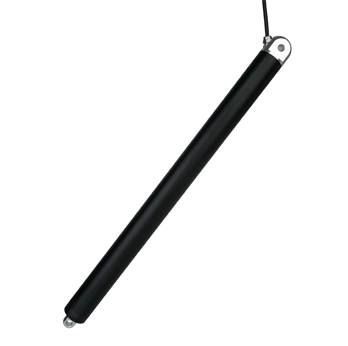
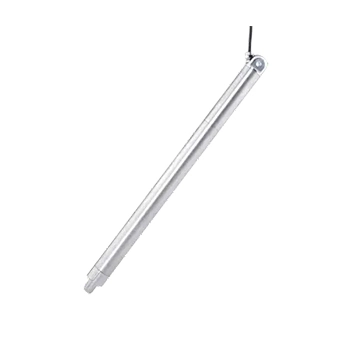 DDTG-28 Micro Tubular Linear Actuator
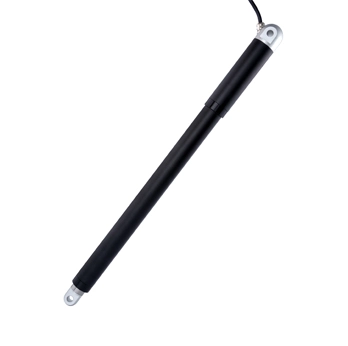 DDTG-38 Micro Tubular Linear Actuator