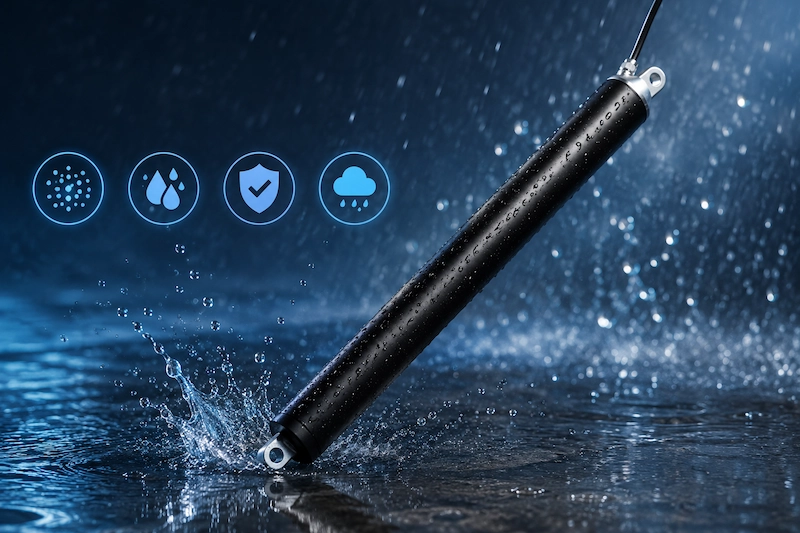
If your linear actuator will be exposed to rain, dust, washdown, or outdoor environments, selecting the correct IP rating is not optional—it directly determines reliability and service life. For most outdoor and mobile applications, an IP65–IP67 rated waterproof linear actuator 12V is typically the minimum requirement. Lower ratings risk internal contamination, corrosion, and premature failure, even if the actuator appears to function normally at first.
What Does an IP Rating Actually Mean for Linear Actuators?
IP (Ingress Protection) ratings define how well a device is sealed against:
Solid particles (dust, debris)
Liquids (water, spray, immersion)
The format is:
IPXX
For linear actuators, IP rating is not just about sealing—it also reflects:
Common IP Ratings for Linear Actuators and What They Mean
IP54: Basic Protection (Indoor / Light Duty)
Suitable for:
Indoor automation
Office furniture
Controlled environments
Not recommended for outdoor or humid conditions.
IP65: Dust Tight + Water Jets
Suitable for:
This is often the entry-level waterproof standard.
IP66: Heavy Water Exposure
Suitable for:
Used in more demanding industrial applications.
IP67: Temporary Immersion Protection
Suitable for:
For many buyers, IP67 is the optimal balance between cost and durability.
IP68: Continuous Immersion (Specialized Use)
Suitable for:
Not commonly required for standard actuator applications.
How to Choose the Right IP Rating for Your Application
1. Evaluate the Real Environment (Not Ideal Conditions)
Ask:
Will the actuator be exposed to direct rain?
Is there mud, dust, or sand?
Will it be cleaned with water jets?
Is temporary submersion possible?
Example:
Outdoor solar tracker → IP65 minimum
Agricultural sprayer → IP66 recommended
Marine hatch system → IP67 preferred
2. Consider Mounting Orientation
Even with a high IP rating:
Shaft seals are often the weakest point—orientation matters.
3. Check Dynamic Sealing Performance
IP ratings are tested under static conditions, but actuators operate dynamically.
Important considerations:
A waterproof linear actuator 12V with high cycle frequency requires:
4. Don’t Ignore Cable and Connector Protection
A common failure point is not the actuator body—but the cable entry.
Ensure:
An IP67 actuator connected to a non-sealed cable is effectively no longer IP67.
What Is the Best IP Rating for Outdoor Linear Actuators?
For most outdoor applications:
IP65 works for general exposure
IP66 is better for heavy rain or washdown
IP67 is ideal where water pooling or temporary submersion may occur
Choosing below IP65 for outdoor use typically results in reduced lifespan.
Are Waterproof Linear Actuators Completely Waterproof?
Not in absolute terms.
Even high IP-rated actuators:
Are tested under controlled conditions
Have limits on pressure, duration, and temperature
Over time:
Seals degrade
Micro-leaks can develop
“Waterproof” should be interpreted as water-resistant within defined limits, not permanently immune.
Does a Higher IP Rating Affect Performance?
Yes, indirectly.
Higher IP ratings often require:
Tighter sealing → increased internal friction
More robust housing → added weight
Enhanced materials → higher cost
However:
How Do I Maintain a Waterproof Linear Actuator?
Even sealed actuators require maintenance:
Inspect seals periodically
Clean off debris after operation
Avoid prolonged exposure beyond rated conditions
Check cable integrity
Preventive maintenance is critical in harsh environments.
Common Mistakes When Selecting Waterproof Linear Actuators
Choosing IP54 for outdoor use
Ignoring cable and connector sealing
Assuming IP rating guarantees lifetime waterproofing
Not considering mounting orientation
Overlooking dynamic sealing wear
These issues often lead to:
Can a 12V Linear Actuator Be Fully Waterproof?
Yes, a waterproof linear actuator 12V can achieve high protection levels (IP67 or higher), making it suitable for:
Automotive applications
Agricultural equipment
Marine systems
Outdoor automation
However, performance depends on:
Seal quality
Manufacturing precision
Proper installation
FAQ: Key Questions Buyers Often Ask
What IP rating is required for marine applications?
IP67 is typically recommended due to exposure to water splashes, humidity, and possible temporary submersion.
Is IP65 enough for outdoor use?
Yes for light to moderate exposure, but not ideal for heavy rain, washdown, or flooding conditions.
What happens if water enters a linear actuator?
Water ingress can cause:
Do waterproof actuators require special installation?
Yes. Proper sealing of mounting points, cables, and connectors is essential to maintain the rated protection level.
How long do waterproof linear actuators last?
With correct IP selection and maintenance, industrial-grade actuators can operate reliably for years, even in harsh environments.
Conclusion: IP Rating Selection Is a Risk Management Decision
Choosing the right IP rating is less about “getting the highest number” and more about matching protection level to real operating conditions.
For most industrial buyers:
When selecting a waterproof linear actuator 12V, consider not just the rating—but the complete sealing system, installation quality, and maintenance strategy. These factors ultimately determine whether the actuator performs reliably or fails prematurely in real-world conditions.
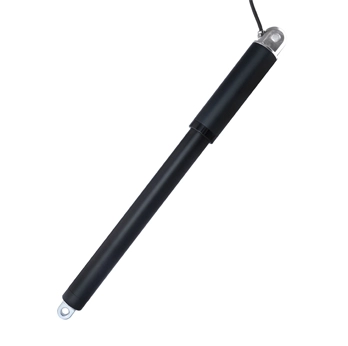
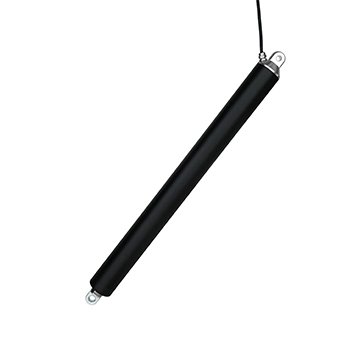
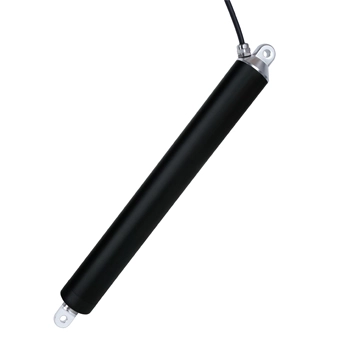
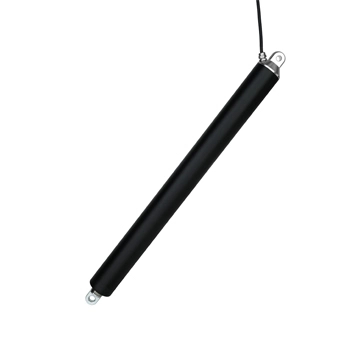
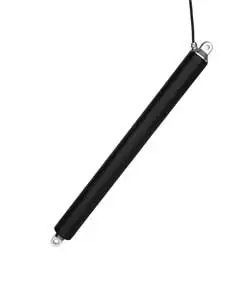

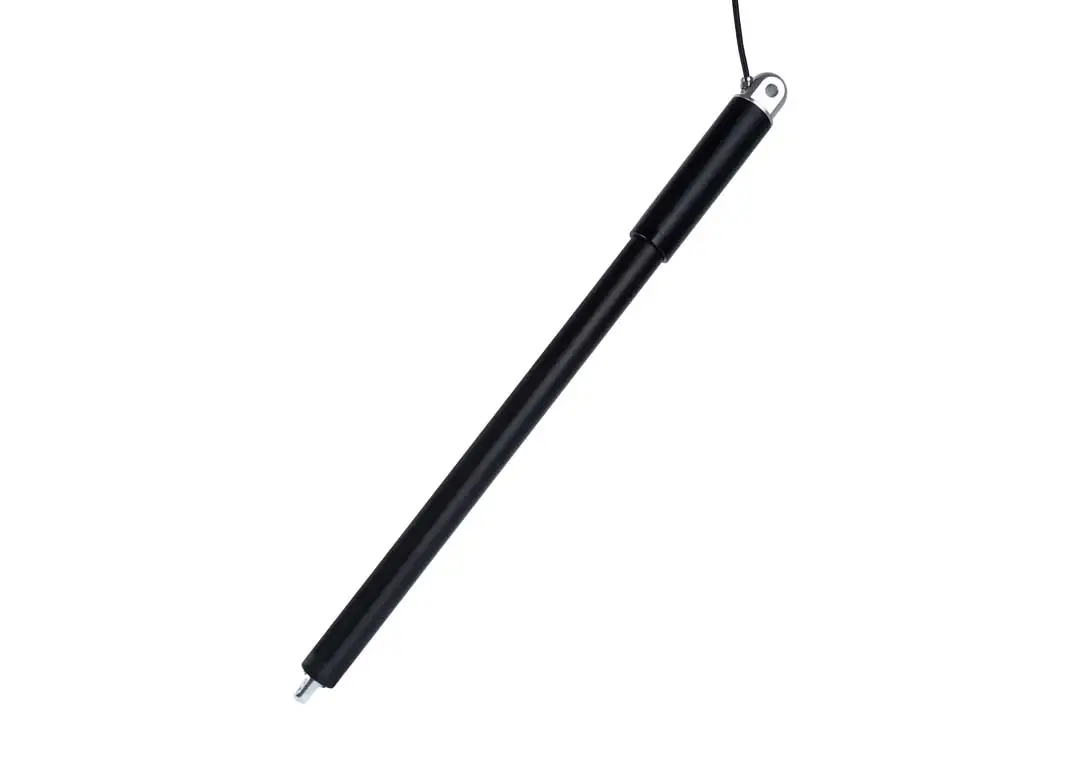
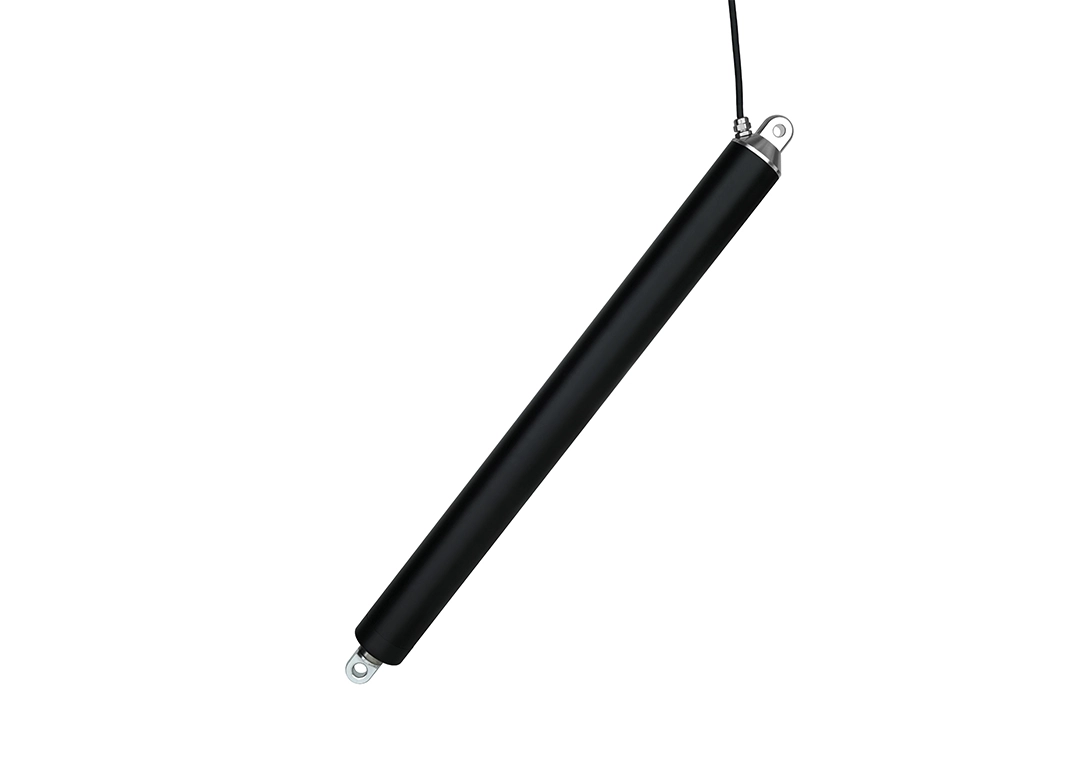
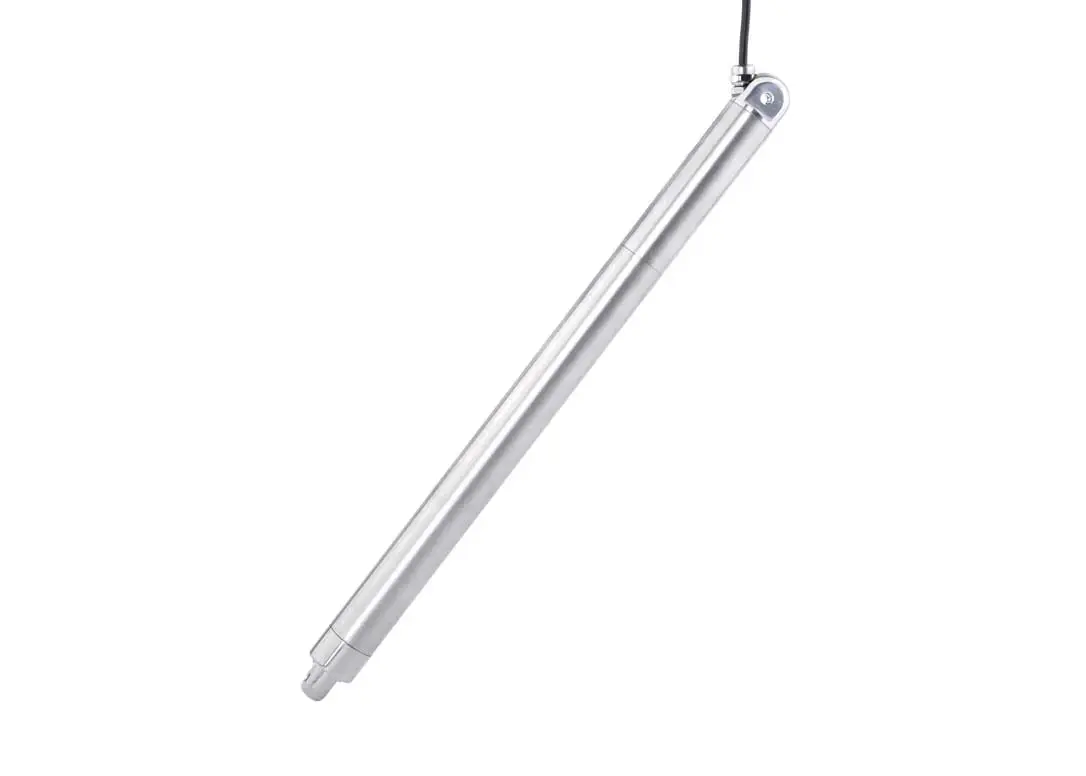
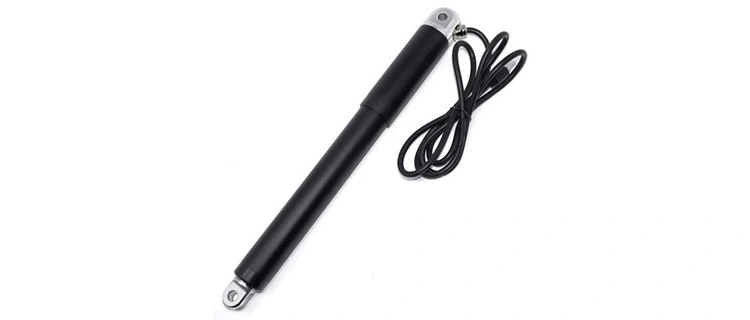

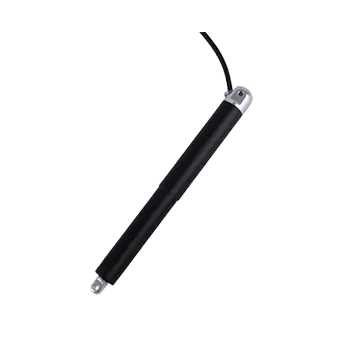 DDTG-16 Micro Tubular Linear Actuator
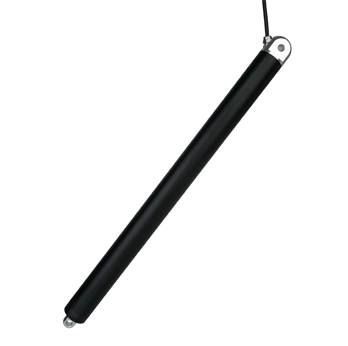
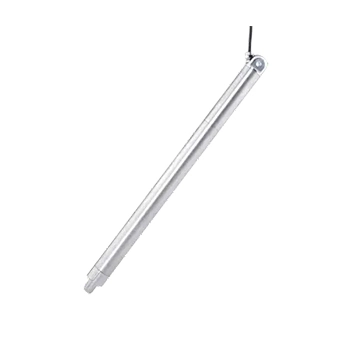 DDTG-28 Micro Tubular Linear Actuator
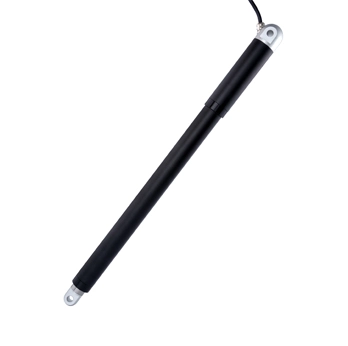 DDTG-38 Micro Tubular Linear Actuator