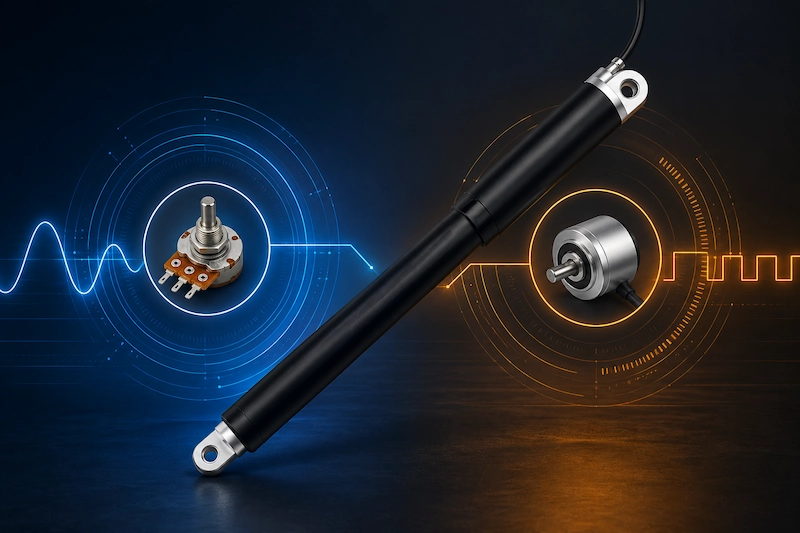
Choosing between a potentiometer and an encoder comes down to how precisely—and how reliably—you need to know position. Potentiometers provide simple, cost-effective absolute position feedback, ideal for basic positioning and synchronization. Encoders deliver higher accuracy, repeatability, and durability, making them better suited for automation, closed-loop control, and high-cycle industrial systems.
If your application requires continuous precision and long-term stability, encoders are typically the better choice. If cost and simplicity are priorities, potentiometers remain widely used.
Why Feedback Systems Matter in Linear Actuators
Feedback systems allow actuators to:
Track position in real time
Enable closed-loop control
Synchronize multiple actuators
Improve accuracy and repeatability
Without feedback, actuators operate in open-loop mode, which:
Limits positioning accuracy
Increases risk of drift or misalignment
Reduces system reliability in precision applications
Potentiometer Feedback: Simple and Cost-Effective Position Tracking
How Potentiometers Work
A potentiometer is a variable resistor that changes voltage output based on position. As the actuator moves:
This provides absolute position feedback—you always know where the actuator is, even after power loss.
Key Advantages of Potentiometers
1. Absolute Position Feedback
2. Lower Cost and Simpler Integration
3. Suitable for Basic Synchronization
Limitations of Potentiometer Systems
1. Limited Accuracy and Resolution
2. Mechanical Wear
3. Signal Drift
Encoder Feedback: High Precision and Long-Term Reliability
How Encoders Work
Encoders generate digital pulses as the actuator moves. These pulses are counted to determine position.
Types include:
Key Advantages of Encoders
1. High Accuracy and Resolution
2. Excellent Repeatability
3. No Mechanical Contact (in many designs)
Reduced wear
Longer lifespan
Limitations of Encoder Systems
1. Typically Require Homing (Incremental Encoders)
2. Higher Cost and Complexity
3. Sensitive to Signal Loss
Potentiometer vs Encoder: Side-by-Side Comparison
| Feature | Potentiometer | Encoder |
Feedback Type | Analog | Digital |
Position Type | Absolute | Incremental or Absolute |
Accuracy | Moderate | High |
Repeatability | Moderate | Excellent |
Durability | Lower (wear) | Higher |
Cost | Lower | Higher |
Complexity | Simple | Advanced |
Power Loss Recovery | Immediate | Requires homing (incremental) |
Which Feedback System Is Better for Linear Actuators?
The answer depends on application requirements:
Do I Need Absolute or Incremental Feedback?
This is a key decision within encoder systems.
Absolute Feedback (Potentiometer or Absolute Encoder)
Position is always known
No homing required
Incremental Feedback (Standard Encoder)
For critical positioning systems, absolute feedback is often preferred despite higher cost.
Can You Synchronize Multiple Linear Actuators with Feedback Systems?
Yes, but performance varies:
How Does Feedback Type Affect Control Systems?
Potentiometer-Based Control
Encoder-Based Control
Control system capability often determines feedback selection.
What Happens If You Choose the Wrong Feedback System?
In industrial environments, this can lead to:
How Do Environmental Conditions Affect Feedback Systems?
Potentiometers:
Sensitive to dust, moisture, and wear
Performance degrades faster in harsh environments
Encoders:
For outdoor or heavy-duty applications, encoders are generally more reliable.
FAQ: Common Questions About Actuator Feedback Systems
Which is more accurate: potentiometer or encoder?
Encoders provide significantly higher accuracy and resolution due to digital signal processing.
Do all linear actuators need feedback systems?
No. Feedback is only required when precise positioning, synchronization, or automation is needed.
Can a potentiometer fail over time?
Yes. Mechanical wear can lead to signal degradation and reduced accuracy.
Are encoders always better than potentiometers?
Not always. For simple, low-cost applications, potentiometers are often sufficient and more economical.
What is the best feedback system for industrial automation?
Encoders are generally preferred due to their precision, durability, and compatibility with advanced control systems.
Conclusion: Feedback System Selection Defines Control Capability
The choice between potentiometer and encoder feedback is not just a component decision—it defines how your actuator system performs over time.
Potentiometers offer simplicity and cost efficiency
Encoders provide precision, durability, and advanced control
For engineers and buyers, the best approach is to:
Match feedback type to application complexity
Consider long-term reliability, not just initial cost
Ensure compatibility with the control system
In modern industrial applications, where precision and automation are increasingly critical, encoder-based systems are becoming the standard—while potentiometers remain a practical solution for simpler positioning needs.
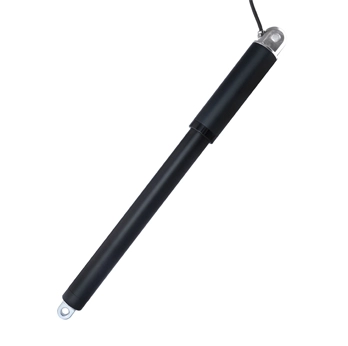
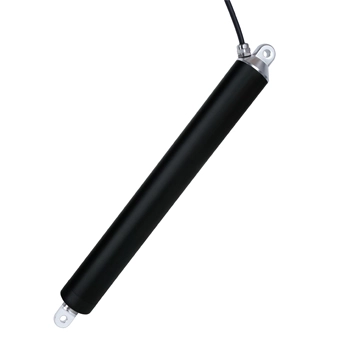
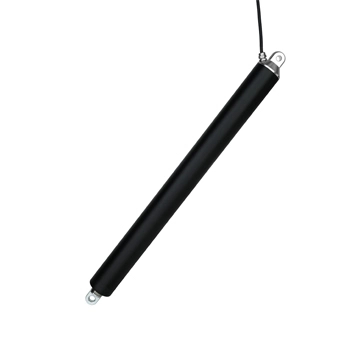
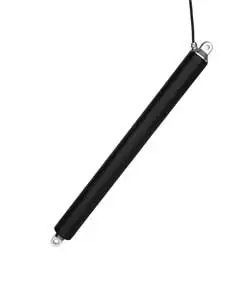

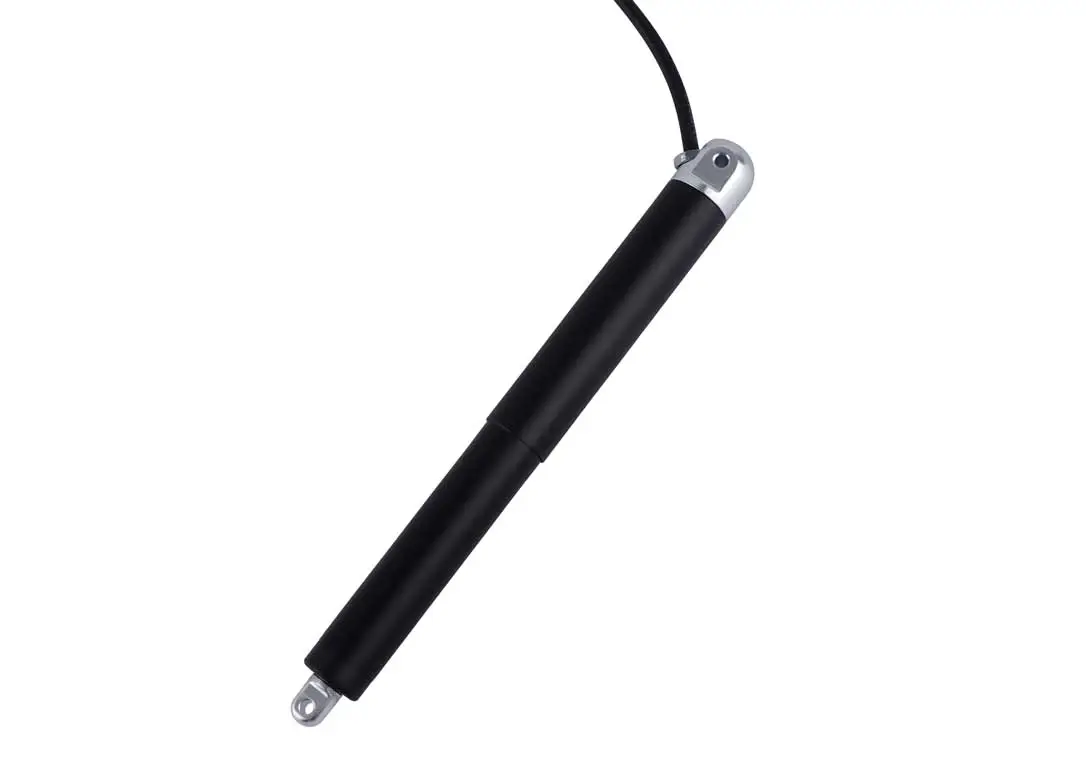
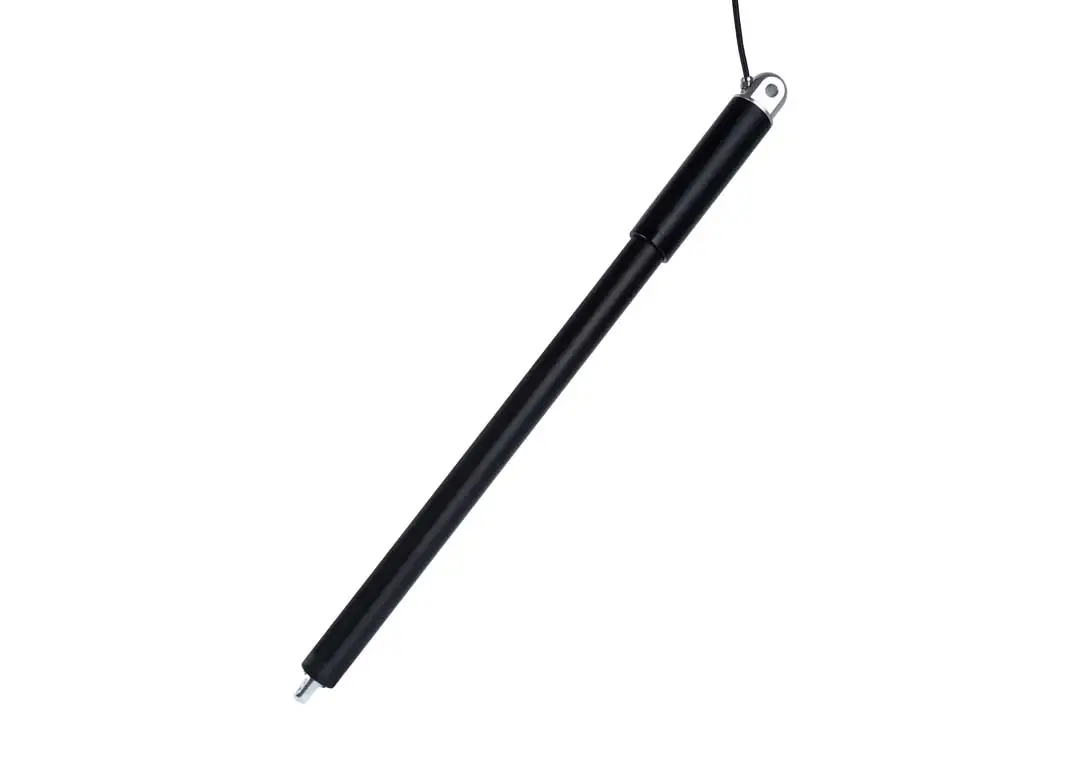
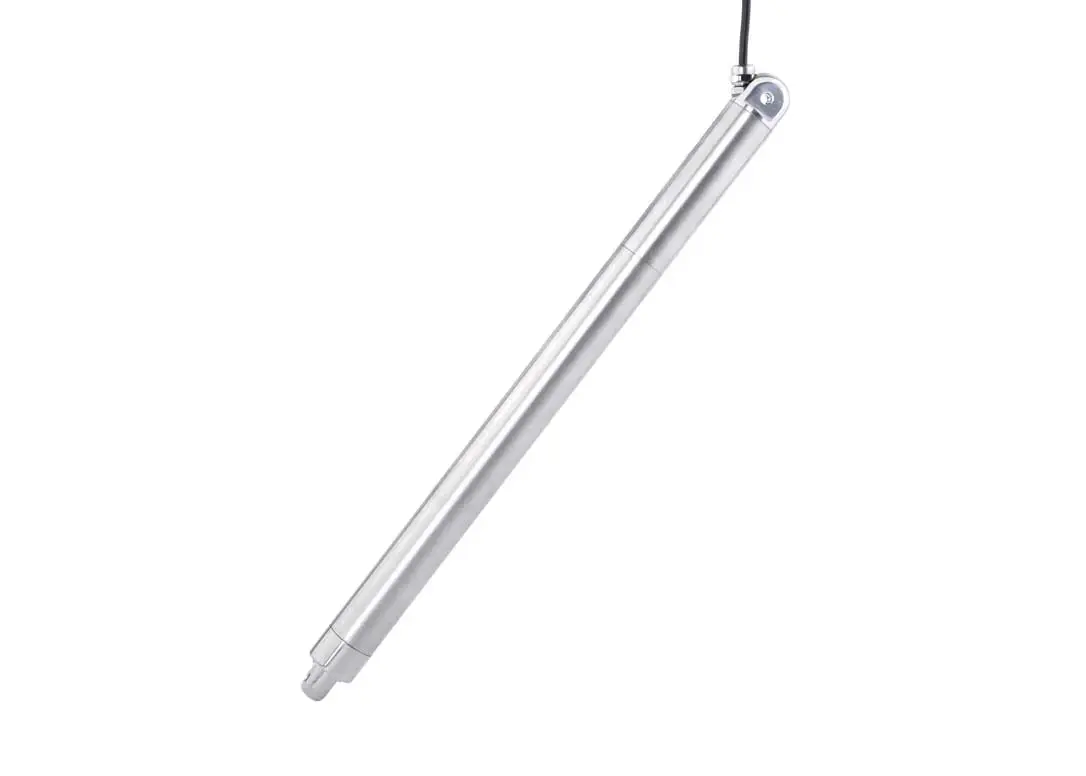
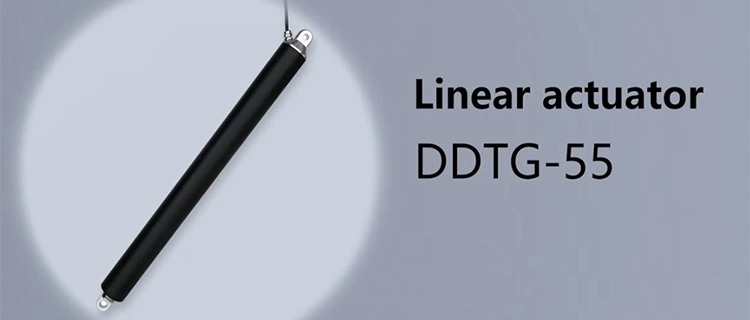

 DDTG-16 Micro Tubular Linear Actuator
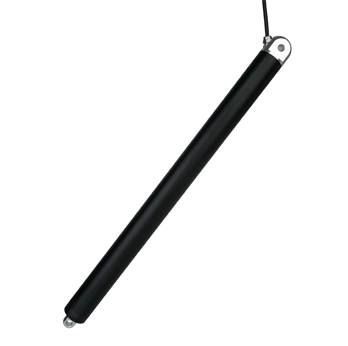
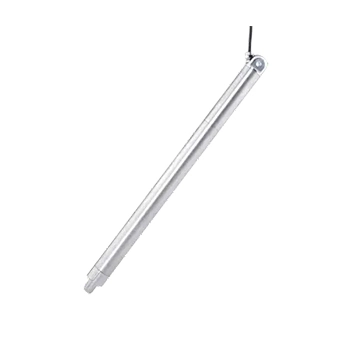 DDTG-28 Micro Tubular Linear Actuator
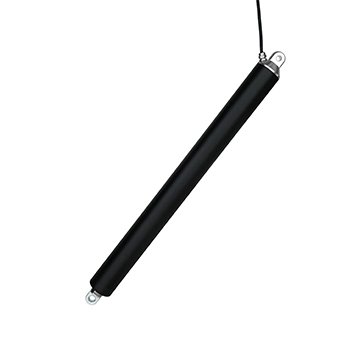
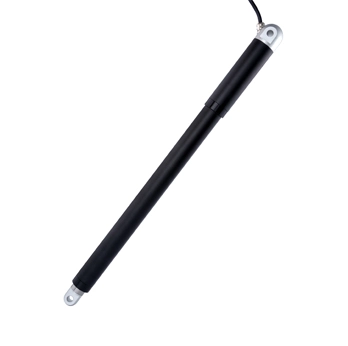 DDTG-38 Micro Tubular Linear Actuator