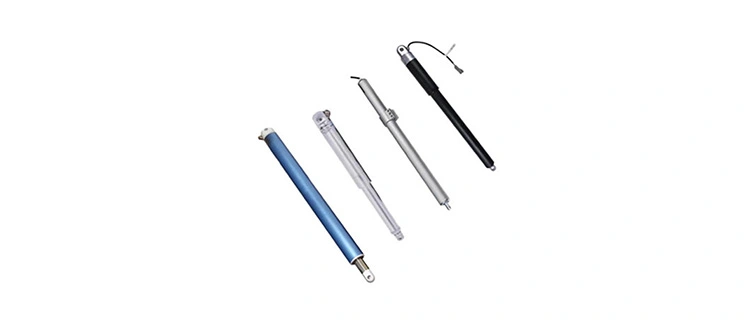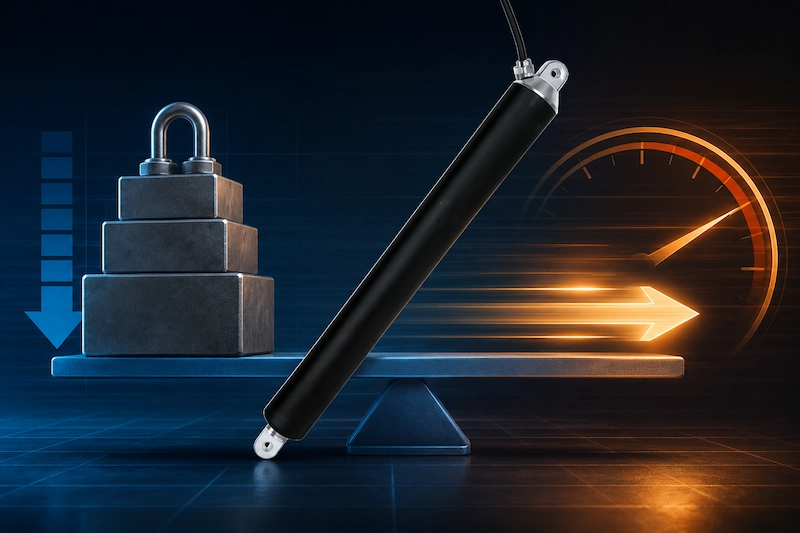
Balancing load capacity and speed in a linear actuator comes down to one core reality: you can’t maximize both at the same time. Higher load typically reduces speed, while higher speed reduces available force. The optimal solution is not choosing one over the other—but matching both to your actual application requirements, duty cycle, and mechanical setup.
If you oversize for speed, you risk failure under load. If you oversize for force, you sacrifice efficiency, responsiveness, and cost. The goal is to find the performance equilibrium where the actuator delivers just enough force at the required speed—without unnecessary margin that increases cost or reduces lifespan.
Why Load Capacity and Speed Are Inversely Related
In electric linear actuators, load capacity (force) and speed are tightly linked through motor power and transmission design.
At a mechanical level:
Force is generated by torque
Speed is determined by rotational velocity
Gear reduction converts high-speed, low-torque motor output into lower-speed, higher-force linear motion
This relationship can be simplified as:
Increasing gear ratio → higher force, lower speed
Decreasing gear ratio → higher speed, lower force
In practical terms:
A heavy-duty actuator (e.g., 10,000N+) will move slower
A high-speed actuator (e.g., >50 mm/s) will handle lighter loads
This trade-off is unavoidable due to motor limits, thermal constraints, and mechanical efficiency.
Key Factors That Influence the Balance
1. Application Load Profile (Static vs Dynamic Load)
Not all loads behave the same:
Static load: constant weight (e.g., lifting platforms)
Dynamic load: fluctuating or shock loads (e.g., industrial automation)
For dynamic systems, you must:
Underrating here leads to premature failure—even if speed looks sufficient on paper.
2. Required Travel Speed (Cycle Time Consideration)
Ask yourself:
Examples:
Medical beds / furniture → smooth motion, moderate speed
Packaging automation → high speed, moderate load
Industrial lifting systems → high load, lower speed
The faster the cycle time required, the more you must:
3. Duty Cycle and Thermal Limits
A common mistake is ignoring duty cycle.
High load + high speed = increased current draw → heat buildup → motor burnout.
Typical duty cycle:
If your application requires:
Frequent starts/stops
Continuous operation
Then you must:
4. Mechanical Efficiency (Lead Screw vs Ball Screw)
The type of drive system directly impacts the load-speed balance:
| Drive Type | Efficiency | Speed | Load Capacity | Notes |
Lead Screw | Lower | Slower | Higher holding force | Self-locking |
Ball Screw | Higher | Faster | Moderate | Less friction, higher efficiency |
Choosing the wrong screw type often leads to poor performance balance.
5. Voltage and Power Supply (12V vs 24V Systems)
Higher voltage systems generally allow:
For industrial use:
How to Balance Load and Speed in Real Applications
Step 1: Define Required Force (Not Estimated—Calculated)
Include:
Add safety margin:
Step 2: Define Minimum Acceptable Speed
Instead of asking “What’s the fastest actuator?” ask:
This prevents over-specification.
Step 3: Check Performance Curves (Critical but Often Ignored)
Professional actuator selection always involves:
Load vs speed curves
Current vs load curves
These show real-world performance—not just catalog specs.
Step 4: Optimize Through System Design
Instead of forcing one actuator to do everything:
Use dual actuators for load sharing
Adjust mechanical leverage (linkage systems)
Reduce friction in guides and rails
Often, system design optimization delivers better results than simply upgrading actuator specs.
What Happens If You Prioritize Only One Factor?
If You Prioritize Load Only
If You Prioritize Speed Only
How Do I Choose Between Speed and Force?
The decision depends on application priority:
If safety and reliability are critical → prioritize load capacity
If productivity and cycle time are critical → prioritize speed
If both are important → consider:
Higher power actuators
Multi-actuator systems
Mechanical optimization
Can You Increase Both Load and Speed at the Same Time?
Yes—but not without trade-offs.
You can achieve higher force and speed by:
However, this results in:
How Do Environmental Conditions Affect Performance?
Environmental factors can shift the balance significantly:
Low temperatures → increased grease viscosity → reduced speed
High temperatures → reduced motor efficiency
Dust or moisture → increased friction → reduced effective speed
For harsh environments:
Common Mistakes in Linear Actuator Selection
Ignoring dynamic load conditions
Overestimating required speed
Not considering duty cycle
Selecting based only on max load rating
Failing to account for mechanical inefficiencies
These mistakes often lead to:
FAQ: Practical Questions Buyers Often Ask
How do I calculate the required force for a linear actuator?
You need to consider total load, friction, and motion angle. For inclined systems, force increases significantly as the angle decreases. Always include a safety factor to avoid under-sizing.
Is a faster actuator always better?
No. Excess speed can reduce control accuracy, increase wear, and create safety risks—especially under heavy loads.
What is the ideal speed for industrial linear actuators?
There is no universal value. Most industrial applications fall between 5 mm/s to 50 mm/s, depending on load and precision requirements.
Can I use one actuator for both high speed and high load?
Only if it is specifically designed for that performance range. Otherwise, it’s more efficient to redesign the system or use multiple actuators.
Does increasing voltage increase actuator speed?
Yes, in many cases higher voltage systems allow higher speed and efficiency—but only within the actuator’s rated specifications.
Conclusion: Performance Balance Is a System-Level Decision
Balancing load capacity and speed is not just about choosing the right actuator—it’s about designing the entire motion system correctly.
The most effective approach is:
Define real load conditions (not assumptions)
Set realistic speed requirements
Select actuator type based on efficiency and duty cycle
Optimize mechanical design before increasing actuator specs
For industrial buyers and engineers, the difference between a well-balanced actuator system and a poorly selected one often determines equipment reliability, maintenance cost, and long-term ROI.
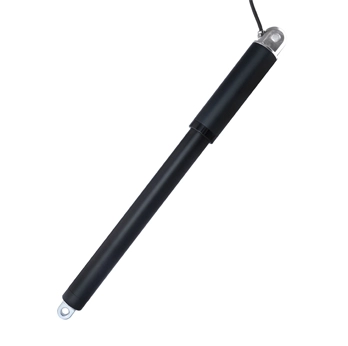
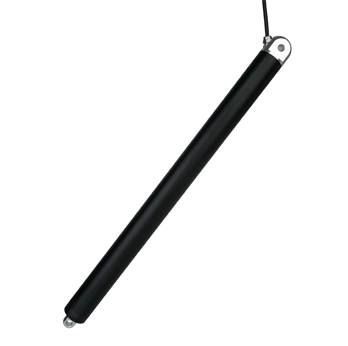
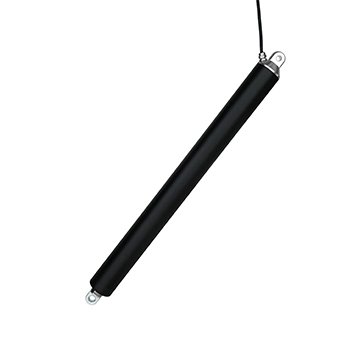
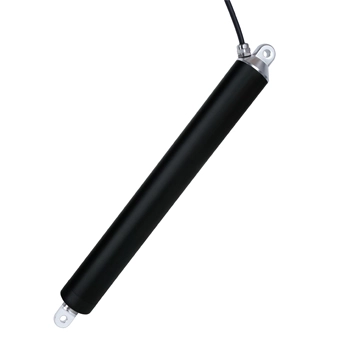
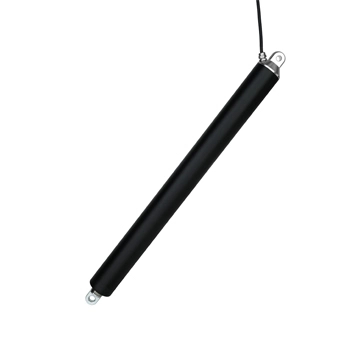

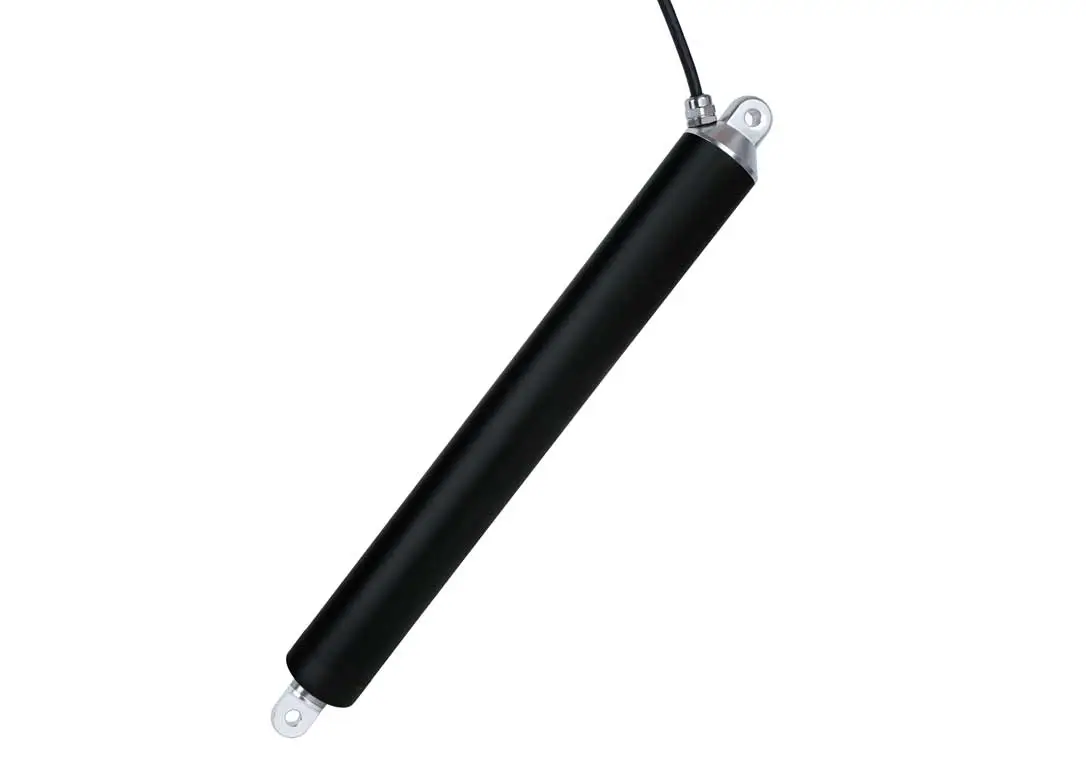
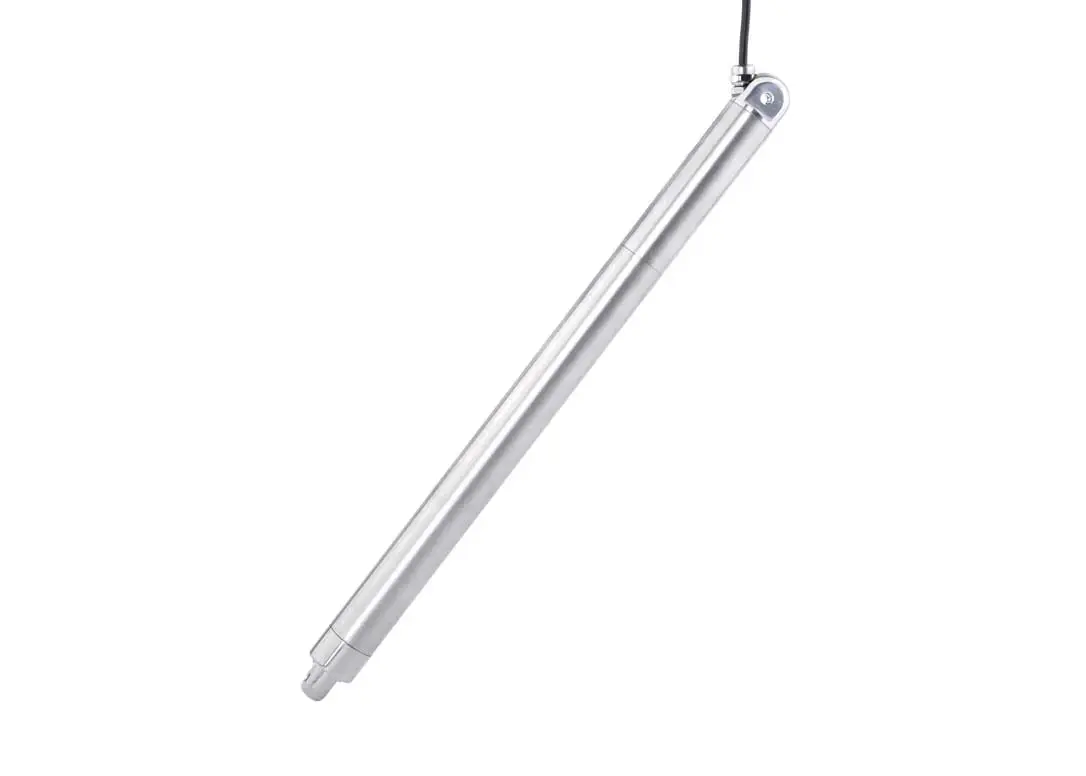
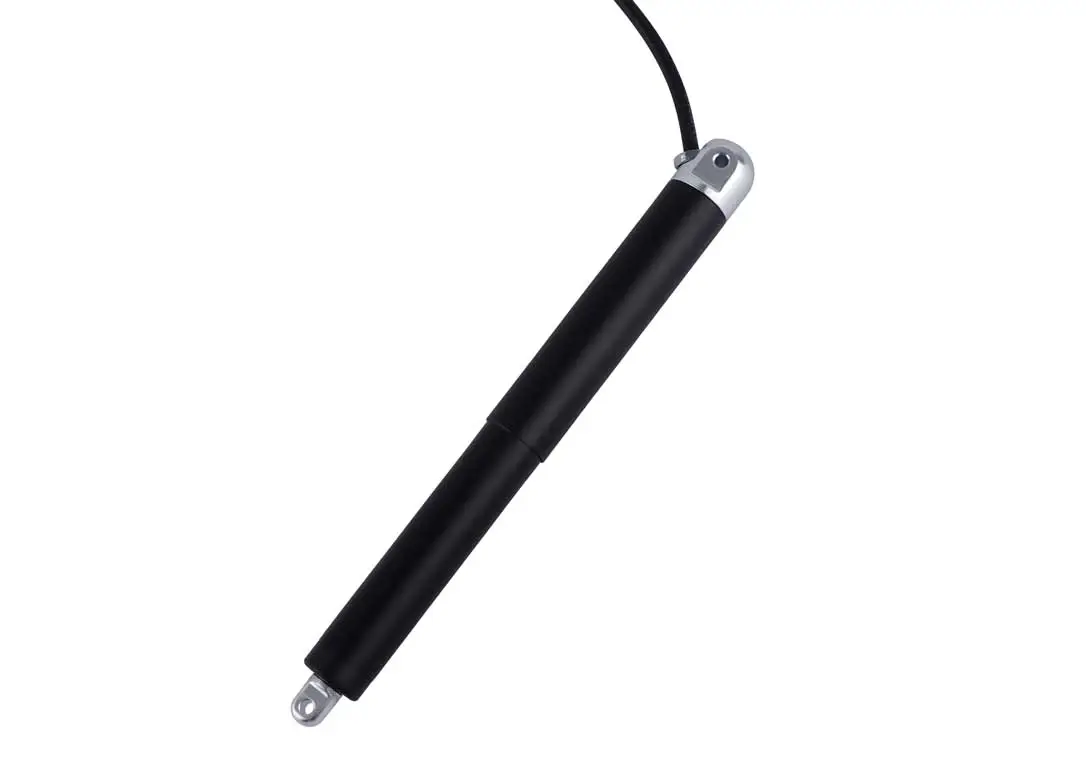


 DDTG-16 Micro Tubular Linear Actuator
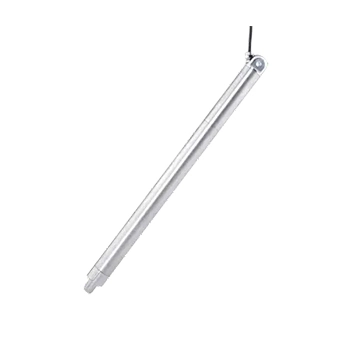 DDTG-28 Micro Tubular Linear Actuator
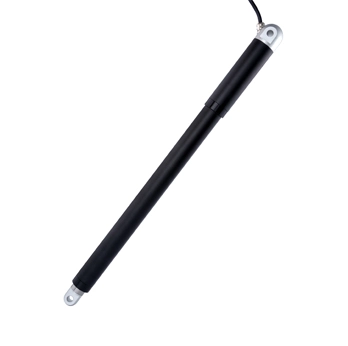 DDTG-38 Micro Tubular Linear Actuator