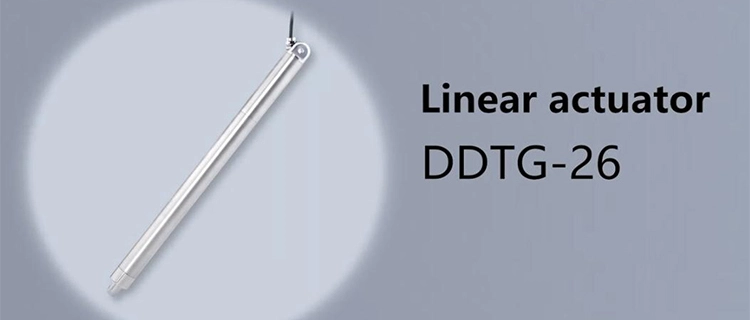
When space is limited but precise linear motion is required, mini and micro linear actuators become the preferred solution. A micro electric actuator can deliver accurate push-pull movement in compact devices where traditional pneumatic cylinders, hydraulic systems, or standard linear actuators simply cannot fit.
Today, micro actuators are widely used in medical devices, robotics, laboratory equipment, smart home systems, consumer electronics, aerospace components, and industrial automation. The challenge for buyers is not finding a compact actuator—it is selecting the right combination of force, stroke, speed, precision, and durability.
This guide explains everything engineers, OEM buyers, and system integrators need to know before purchasing a mini or micro linear actuator.
What Is a Micro Linear Actuator?
A micro linear actuator is a compact electromechanical device that converts rotary motor motion into linear movement.
Unlike traditional industrial actuators that may be hundreds of millimeters long, a micro electric actuator is designed for applications where installation space is extremely limited.
Typical characteristics include:
Micro actuators can be powered by:
DC motors
Brushless DC motors
Stepper motors
Servo motors
Each technology offers different advantages depending on the application.
Mini vs Micro Linear Actuators
Although the terms are often used interchangeably, there are important differences.
| Feature | Mini Linear Actuator | Micro Linear Actuator |
|---|
| Size | Small | Ultra-compact |
| Force Output | Medium | Low to Medium |
| Stroke Length | Longer | Shorter |
| Typical Applications | Furniture, Automation | Medical, Robotics, Electronics |
| Precision | High | Very High |
Generally speaking:
How Does a Micro Electric Actuator Work?
The operating principle is relatively straightforward.
Step 1: Electric Motor Rotation
The motor generates rotational motion.
Step 2: Gear Reduction
A gearbox increases torque while reducing speed.
Step 3: Lead Screw Conversion
A lead screw converts rotary motion into linear movement.
Step 4: Rod Extension or Retraction
The actuator rod moves in a controlled linear path.
This design enables precise and repeatable motion in extremely small spaces.
Why Are Micro Actuators Becoming More Popular?
Several trends are driving demand.
Device Miniaturization
Modern equipment continues to shrink in size.
Industries require:
Smaller products
Lighter systems
Higher functionality
Compact actuators support these objectives.
Automation Growth
As automation expands into smaller devices, compact motion control becomes increasingly important.
Examples include:
Smart locks
Home automation
Medical diagnostics
Robotics
Precision Requirements
Many modern applications require positioning accuracy measured in fractions of a millimeter.
A high-quality micro electric actuator can achieve extremely precise movement without requiring complex hydraulic or pneumatic systems.
Key Specifications to Evaluate Before Buying
Selecting the wrong actuator can lead to performance issues and premature failure.
The following specifications deserve careful attention.
Force Output
Force determines how much load the actuator can move.
Typical micro actuator force ranges:
| Force Range | Application Type |
|---|
| 5-20N | Electronics |
| 20-100N | Robotics |
| 100-500N | Medical Devices |
| 500N+ | Specialized Automation |
Force Safety Margin
Industry best practice recommends:
Required Force × 1.3 to 1.5
This safety factor compensates for:
Friction
Dynamic loads
Wear over time
Stroke Length
Stroke refers to total travel distance.
Typical micro actuator strokes include:
| Stroke Length | Common Uses |
|---|
| 10mm | Optical systems |
| 20mm | Medical equipment |
| 50mm | Robotics |
| 100mm | Industrial automation |
| 150mm+ | Specialized systems |
Selecting excessive stroke length increases:
Speed Requirements
Speed and force are closely related.
Higher force generally means lower speed.
Examples:
| Force | Speed |
|---|
| 20N | 50 mm/s |
| 100N | 25 mm/s |
| 300N | 10 mm/s |
Buyers should determine whether precision or speed is more important.
Positioning Accuracy
Accuracy is often the most important characteristic of a micro electric actuator.
High-precision systems may require:
Applications demanding precision include:
Feedback Options
Position feedback improves control accuracy.
Common options include:
Potentiometers
Advantages:
Cost-effective
Simple integration
Disadvantages:
Hall Sensors
Advantages:
Non-contact sensing
Improved durability
Disadvantages:
Optical Encoders
Advantages:
Highest precision
Excellent repeatability
Disadvantages:
Top Applications for Micro Electric Actuators
Medical Equipment
Medical systems often require:
Quiet operation
Compact size
Precise positioning
Common uses include:
Diagnostic equipment
Surgical tools
Rehabilitation devices
Portable medical devices
Robotics
Robotics is one of the fastest-growing markets.
Micro actuators provide motion for:
Robotic grippers
Inspection robots
Collaborative robots
Educational robots
Benefits
Lightweight design
Fast response
Accurate movement
Optical Systems
Precision optical equipment frequently relies on micro actuators.
Applications include:
Lens positioning
Camera focus mechanisms
Laser alignment systems
Scientific instruments
Smart Home Devices
Many smart devices use miniature motion systems.
Examples:
Smart locks
Automated vents
Motorized panels
Hidden storage systems
Aerospace and UAV Systems
Aircraft and drones require:
Micro actuators support:
Brushless vs Brushed Micro Actuators
Brushed Motors
Advantages:
Lower cost
Simpler electronics
Disadvantages:
Brush wear
Shorter lifespan
Brushless Motors
Advantages:
Higher efficiency
Longer service life
Lower maintenance
Disadvantages:
For OEM projects and long-life applications, brushless solutions often provide the best long-term value.
Environmental Protection Considerations
Many buyers focus only on size and force.
Environmental conditions are equally important.
Indoor Applications
Recommended ratings:
Suitable for:
Electronics
Laboratories
Office equipment
Industrial Applications
Recommended ratings:
Suitable for:
Factory automation
Manufacturing systems
Outdoor Applications
Recommended ratings:
Suitable for:
Mobile equipment
Agricultural systems
Outdoor sensors
Common Buying Mistakes
Selecting Based Only on Size
A smaller actuator may lack:
Sufficient force
Duty cycle capacity
Required lifespan
Ignoring Duty Cycle
Some micro actuators are designed for intermittent operation.
Frequent cycling may require:
Overlooking Control Compatibility
Verify compatibility with:
Cost Factors
The cost of a micro electric actuator depends on:
Motor technology
Force capacity
Stroke length
Position feedback
IP rating
Accuracy requirements
Production volume
Custom OEM designs typically cost more initially but can significantly improve system performance and integration.
How to Choose the Right Micro Electric Actuator
Before requesting a quotation, define:
Load Requirements
What force must be moved?
Travel Distance
How much stroke is required?
Position Accuracy
How precise must the movement be?
Installation Space
What dimensional limitations exist?
Operating Environment
Indoor, industrial, or outdoor?
Expected Service Life
How many cycles will the actuator perform?
Having these answers dramatically speeds up actuator selection and reduces engineering risk.
Final Recommendations
A micro electric actuator is often the ideal solution when engineers need compact, efficient, and highly precise linear motion. Whether the application involves robotics, medical devices, aerospace systems, laboratory equipment, or smart electronics, selecting the correct actuator requires balancing force, stroke, speed, accuracy, environmental protection, and lifecycle expectations.
Rather than focusing solely on actuator size, buyers should evaluate the complete system requirements. The most successful projects begin with accurate load calculations, realistic duty-cycle expectations, and selecting a micro actuator that offers sufficient performance margin for long-term reliability.
FAQ
What is the smallest micro electric actuator available?
Some ultra-miniature actuators are less than 20mm in overall length, depending on force and stroke requirements.
How much force can a micro actuator generate?
Most micro actuators generate between 5N and 500N, although specialized models can exceed this range.
Are micro actuators suitable for robotics?
Yes. They are widely used in robotic grippers, inspection systems, and collaborative robots.
What feedback system provides the highest accuracy?
Optical encoders typically provide the highest precision and repeatability.
How long do micro electric actuators last?
High-quality brushless actuator systems can operate for hundreds of thousands or even millions of cycles when properly specified.
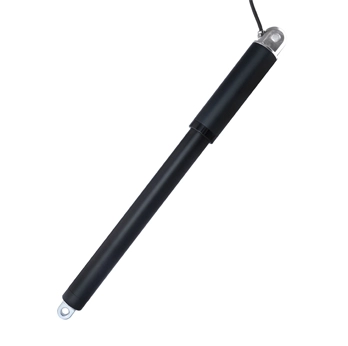
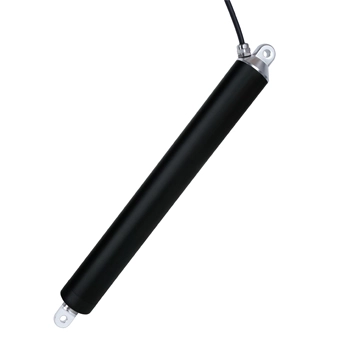

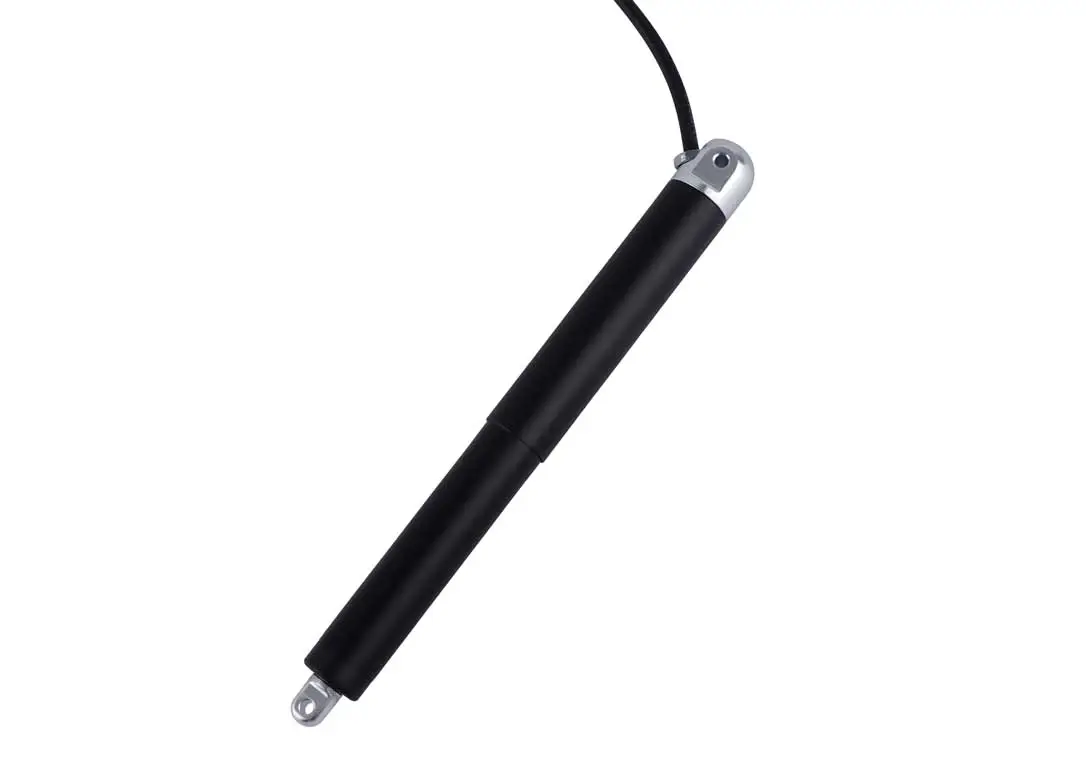
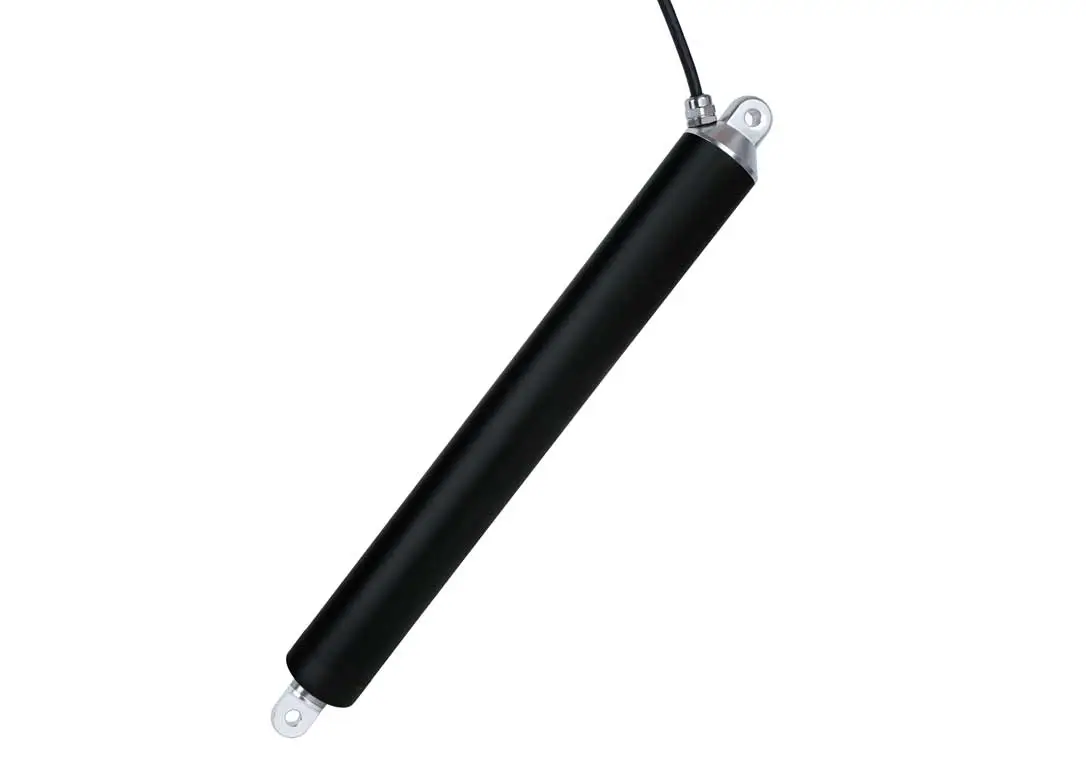
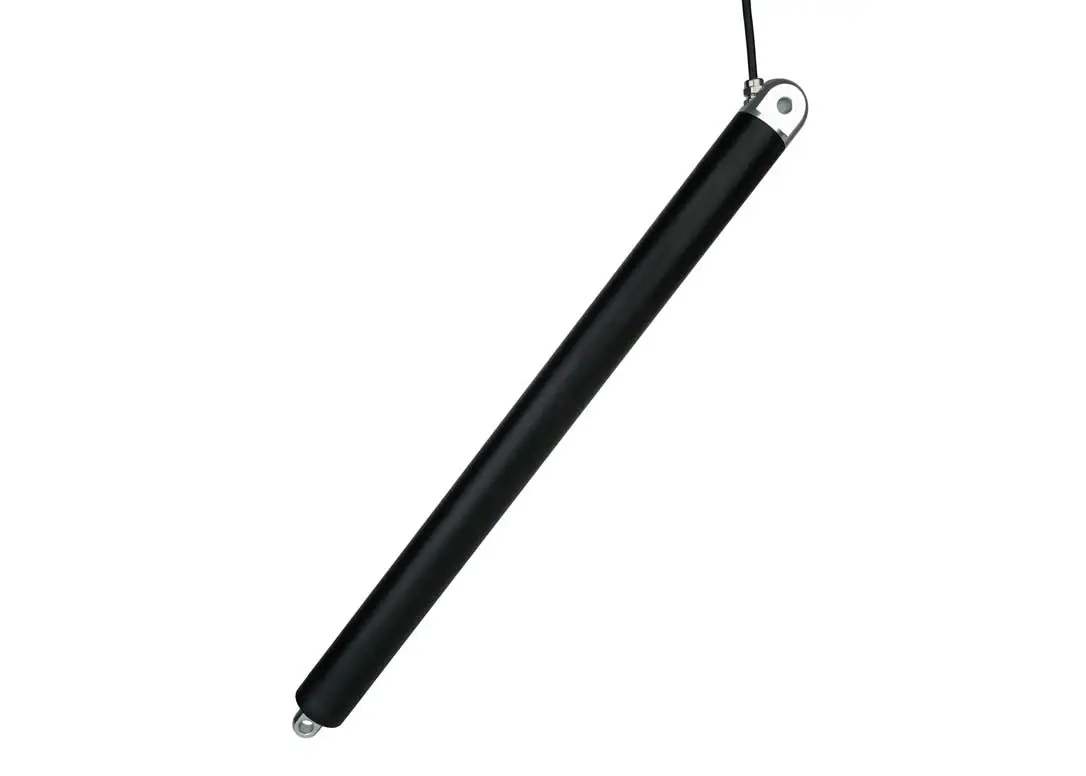
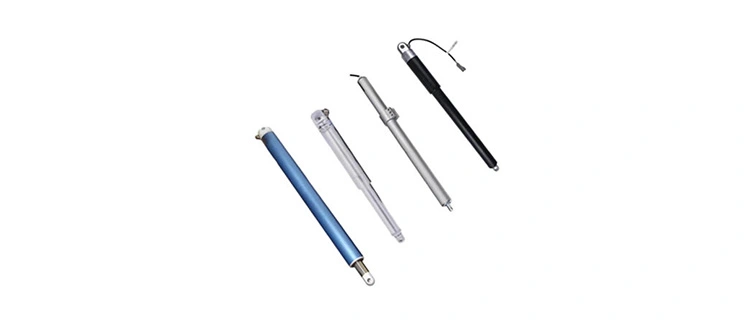

 DDTG-16 Micro Tubular Linear Actuator
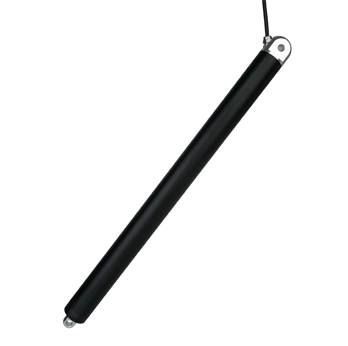
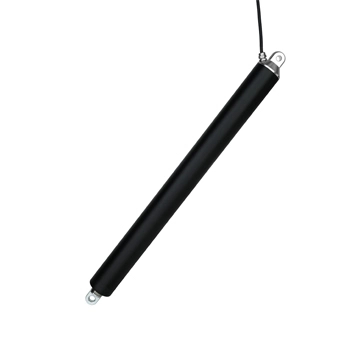
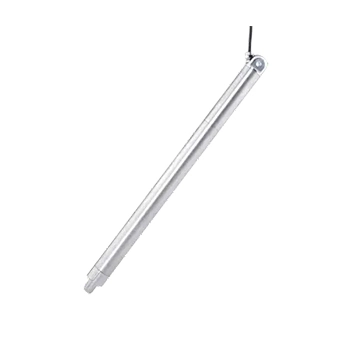 DDTG-28 Micro Tubular Linear Actuator
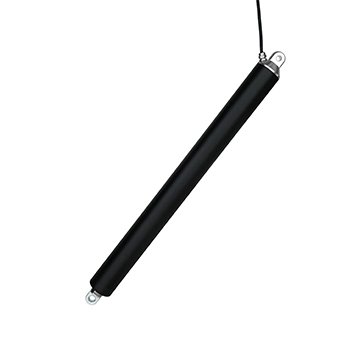
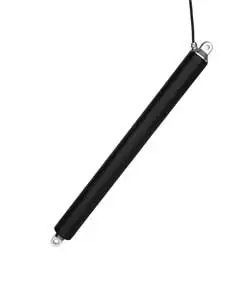
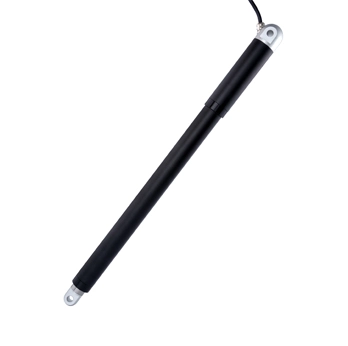 DDTG-38 Micro Tubular Linear Actuator