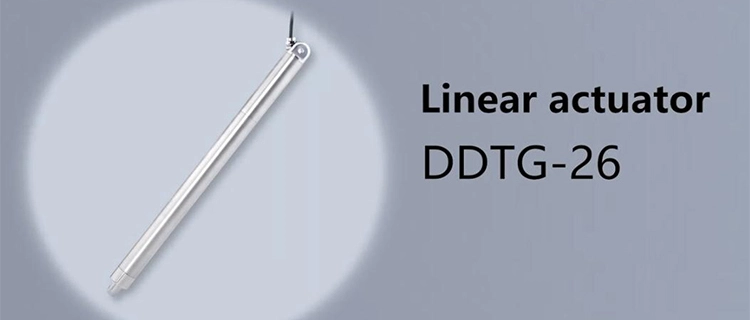
A dc 12v linear actuator is one of the most versatile motion-control components used in modern vehicles. From powered tailgates and retractable steps to custom automotive modifications, 12V actuators provide a reliable way to convert electrical energy into controlled linear motion.
Because passenger cars, trucks, RVs, off-road vehicles, and specialty vehicles typically operate on 12V electrical systems, 12V actuators can be integrated directly without requiring additional power converters.
For automotive applications, the best actuator choice depends on load capacity, installation space, environmental protection, operating speed, and duty cycle. Choosing the wrong actuator can lead to slow operation, premature failure, or excessive battery consumption.
This guide explores the five most common automotive applications for 12V linear actuators and explains how to select the right model for your vehicle project.
Why 12V Linear Actuators Are Popular in Automotive Systems
Most vehicles use a 12V DC electrical architecture, making actuator integration relatively straightforward.
Compared with hydraulic or pneumatic systems, a dc 12v linear actuator offers:
Simple installation
Lower maintenance requirements
Precise position control
Quiet operation
Reduced system complexity
No hydraulic fluid leaks
Easy integration with switches and remote controls
These advantages make linear actuators increasingly common in both OEM vehicle designs and aftermarket upgrades.
Top 5 Automotive Applications for 12V Linear Actuators
1. Power Tailgates and Liftgates
One of the most recognizable applications is the powered tailgate.
Modern SUVs, crossovers, and vans frequently use electric actuators to automate rear hatch opening and closing.
Benefits
Typical Requirements
| Specification | Typical Range |
|---|
| Force | 500–1500N |
| Stroke | 200–500mm |
| Speed | Medium |
| IP Rating | IP65-IP67 |
Key Design Considerations
Vehicle hatch geometry significantly affects force requirements.
Factors include:
Hatch weight
Mounting angle
Center of gravity
Gas spring assistance
A properly engineered system often combines gas struts with a dc 12v linear actuator to reduce motor load.
2. Electric Tonneau Covers and Truck Bed Covers
Pickup truck owners increasingly install powered bed covers for security and convenience.
Linear actuators enable:
Common Applications
Advantages Over Manual Systems
| Feature | Manual Cover | Actuated Cover |
|---|
| Convenience | Low | High |
| Remote Control | No | Yes |
| Security | Medium | High |
| Automation | No | Yes |
Recommended Specifications
Outdoor exposure makes water resistance especially important.
3. Retractable Running Boards and Side Steps
Luxury SUVs and off-road vehicles often feature powered side steps.
When the door opens:
When the door closes:
A dc 12v linear actuator provides the extension and retraction movement.
Why Vehicle Manufacturers Use Powered Steps
Benefits include:
Environmental Challenges
Running board actuators must withstand:
Mud
Snow
Road salt
Dust
Water spray
Recommended protection level:
Corrosion-resistant housing materials are strongly recommended.
4. Adjustable Vehicle Seats and Interior Systems
Many premium vehicles use linear actuators to provide powered adjustment functions.
Examples include:
Why Actuators Are Preferred
Compared with manual mechanisms:
Greater comfort
Improved ergonomics
More precise positioning
Better accessibility
Typical Specifications
| Requirement | Typical Value |
|---|
| Force | 500–3000N |
| Stroke | 50–300mm |
| Speed | Low to Medium |
| Noise Level | Low |
Quiet operation is often a priority for passenger comfort.
5. Custom Automotive Modifications
Automotive enthusiasts frequently use dc 12v linear actuator systems in custom builds.
Popular modifications include:
Examples in the Custom Vehicle Industry
Retractable Spoilers
Linear actuators automatically adjust aerodynamic surfaces.
Benefits:
Improved appearance
Adjustable downforce
Enhanced performance
Hidden Compartments
Actuators create automated access to:
Tool storage
Electronics compartments
Security compartments
Display Vehicles
Car show builders use actuators to create:
Moving body panels
Automated presentations
Interactive displays
Important Factors When Choosing an Automotive Linear Actuator
Not all actuators are designed for vehicle environments.
Before purchasing, consider the following factors.
Force Capacity
Always calculate actual load requirements.
Recommended safety margin:
Example:
A component requiring 800N should typically use an actuator rated for at least:
This improves reliability and lifespan.
Stroke Length
Stroke determines how far the actuator moves.
Common automotive stroke lengths:
| Application | Typical Stroke |
|---|
| Seat adjustment | 50–150mm |
| Spoilers | 50–200mm |
| Tailgates | 200–500mm |
| Running boards | 100–300mm |
| Bed covers | 200–600mm |
Selecting excessive stroke length can increase cost and installation complexity.
Speed Requirements
Different applications require different operating speeds.
High-Speed Applications
Running boards
Spoilers
Tailgates
Typical speed:
Precision Applications
Seats
Storage compartments
Interior mechanisms
Typical speed:
IP Rating and Weather Resistance
Vehicle environments are harsh.
Recommended minimum ratings:
| Location | Recommended IP Rating |
|---|
| Interior | IP54 |
| Exterior | IP66 |
| Off-Road | IP67 |
| Marine Vehicles | IP67-IP68 |
Exposure Risks
Automotive actuators may encounter:
Rain
Car washes
Road salt
UV exposure
Extreme temperatures
Selecting a higher IP rating significantly improves durability.
Duty Cycle Considerations
Many buyers overlook duty cycle ratings.
Most automotive applications are intermittent.
Examples:
Tailgates
Running boards
Storage systems
These typically operate only a few seconds per cycle.
Applications Requiring Higher Duty Cycles
Some specialty vehicles may require frequent operation:
In these cases, choose actuators with higher duty cycle ratings.
Should You Choose a Linear Actuator or Hydraulic System?
For most automotive applications, linear actuators offer significant advantages.
| Feature | Linear Actuator | Hydraulic System |
|---|
| Maintenance | Low | High |
| Installation | Simple | Complex |
| Noise | Low | Higher |
| Leakage Risk | None | Possible |
| Cost | Lower | Higher |
| Precision | High | Medium |
Hydraulic systems remain preferable for extremely high-force applications, but electric actuators are the better choice for most vehicle automation projects.
Common Mistakes Buyers Make
Choosing Based Only on Force
Ignoring:
Stroke length
Speed
Mounting geometry
can result in poor performance.
Ignoring Environmental Conditions
Many failures occur because the actuator lacks adequate weather protection.
Always evaluate:
Water exposure
Dust levels
Corrosion risks
Underestimating Current Draw
A high-force actuator may require substantial current.
Verify compatibility with:
Vehicle battery
Wiring harness
Fuse capacity
Cost Factors
The price of a dc 12v linear actuator depends on:
Force rating
Stroke length
Speed
IP protection level
Feedback sensors
Motor type
Material construction
Premium automotive-grade actuators generally cost more but provide significantly better reliability in demanding environments.
Final Recommendations
A dc 12v linear actuator can dramatically improve vehicle functionality, convenience, and customization possibilities. Whether you are automating a tailgate, adding retractable side steps, upgrading seating systems, or building a custom show vehicle, selecting the correct actuator requires careful consideration of force, stroke, speed, duty cycle, and environmental protection.
For most automotive projects, prioritizing weather resistance, proper load sizing, and high-quality construction will deliver better long-term value than simply choosing the lowest-cost option.
The most successful installations begin with accurate load calculations and selecting an actuator specifically designed for automotive operating conditions.
FAQ
Can a 12V linear actuator be connected directly to a car battery?
Yes. Most automotive actuators are designed to operate directly from a vehicle's 12V DC electrical system.
What IP rating is recommended for exterior vehicle applications?
IP66 or IP67 is typically recommended for outdoor automotive installations.
How long do automotive linear actuators last?
High-quality actuators can operate for tens of thousands of cycles when properly installed and maintained.
Are linear actuators suitable for off-road vehicles?
Yes. Many off-road applications use rugged actuators with sealed housings and corrosion-resistant materials.
Can a linear actuator replace a hydraulic cylinder?
For many light- and medium-duty automotive applications, yes. However, extremely high-force systems may still require hydraulics.
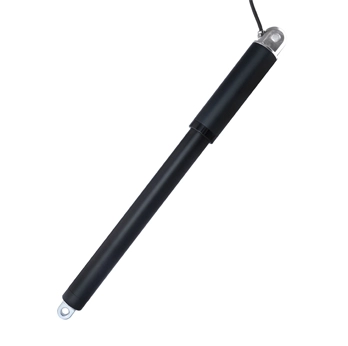
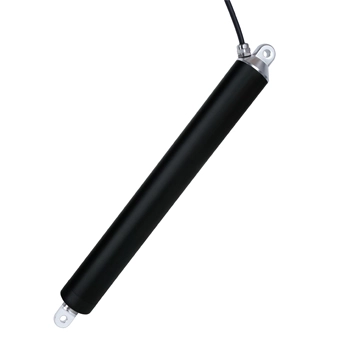
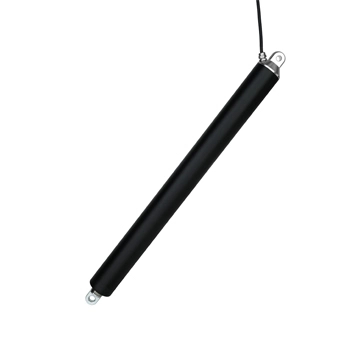
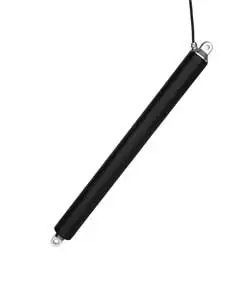

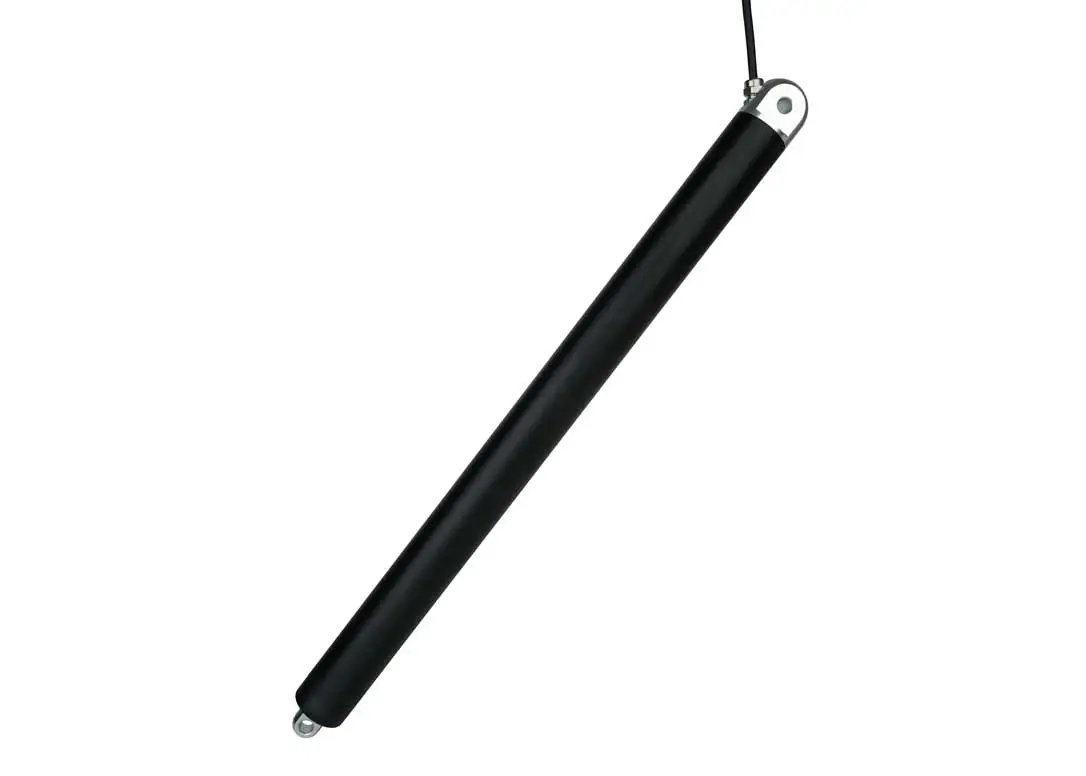
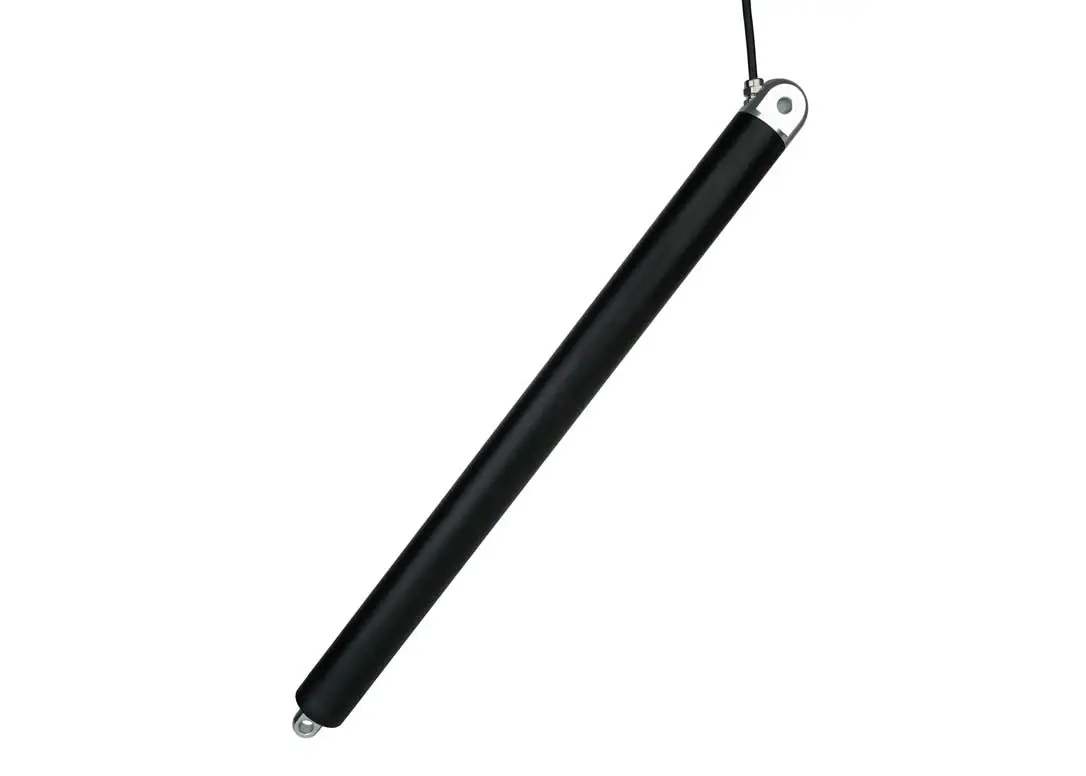
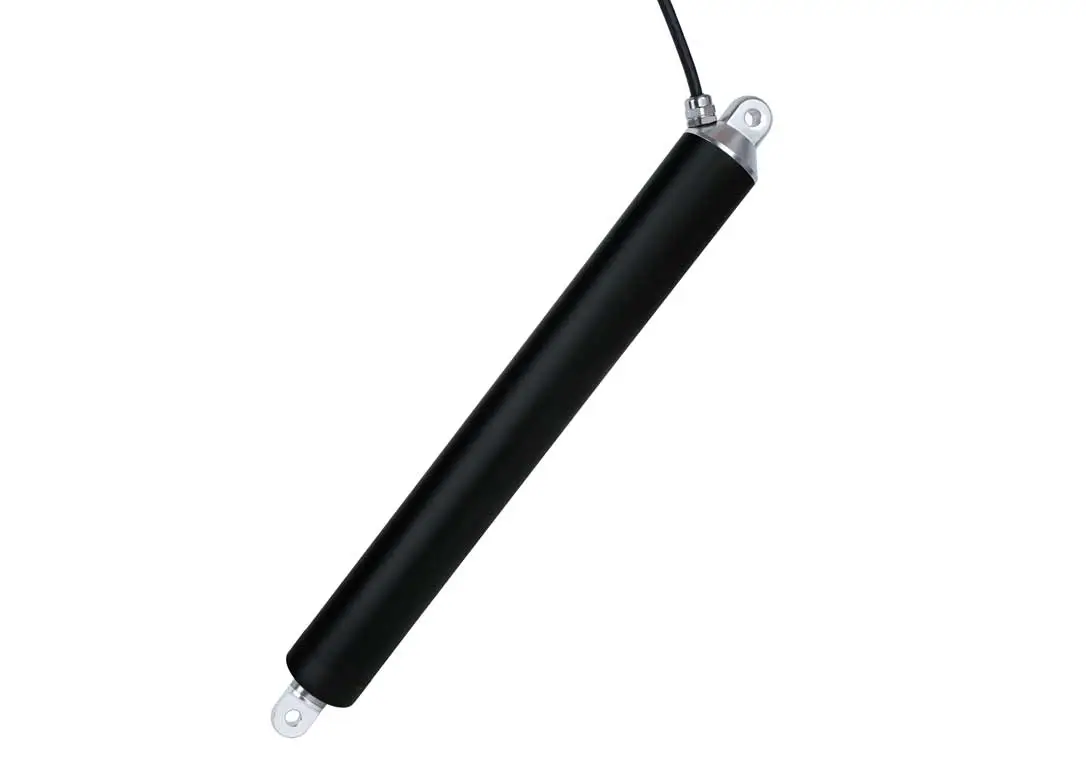

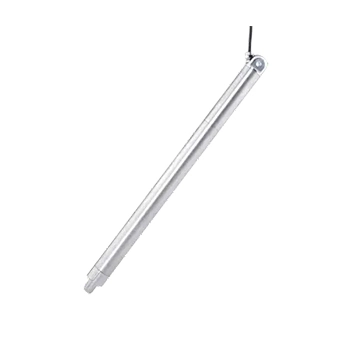
 DDTG-16 Micro Tubular Linear Actuator
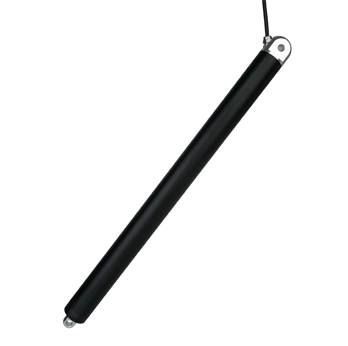
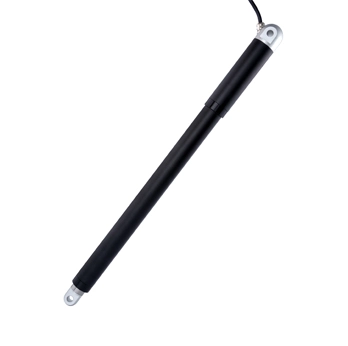
 DDTG-28 Micro Tubular Linear Actuator
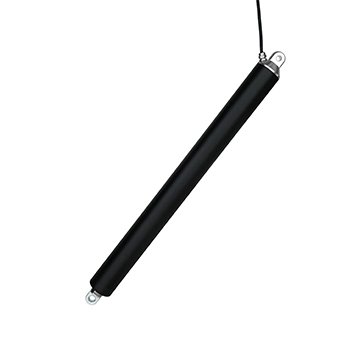
 DDTG-38 Micro Tubular Linear Actuator