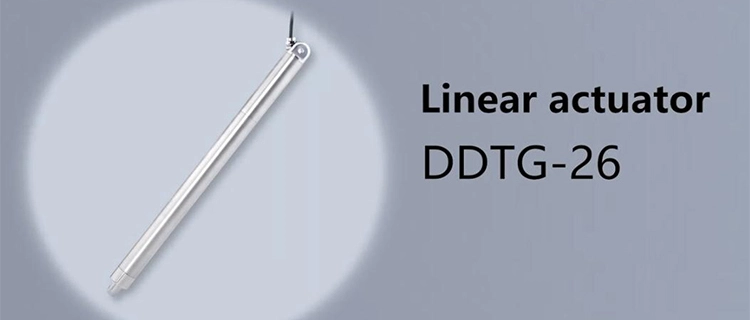
Selecting the right 24 volt dc linear actuator is not simply about choosing a voltage. The correct actuator must match your required force, stroke length, operating environment, duty cycle, and protection level. An actuator that is undersized may fail prematurely, while an oversized model can increase costs unnecessarily and reduce efficiency.
For most industrial, agricultural, automation, and mobile equipment applications, the best choice is a 24V actuator that provides sufficient force with a 20–30% safety margin, an appropriate stroke length for the motion required, and an IP rating suited to the working environment.
This guide explains the key specifications buyers should evaluate before purchasing a 24V linear actuator.
Why Choose a 24V Linear Actuator?
Compared with 12V systems, a 24 volt dc linear actuator offers several advantages:
Lower current draw
Reduced voltage drop over long cable runs
Improved efficiency
Better suitability for industrial automation
Greater compatibility with PLC control systems
Enhanced reliability in continuous-duty applications
As a result, 24V actuators are commonly found in:
Understanding the Three Most Important Specifications
When evaluating a linear actuator, three specifications determine whether it will work properly:
Force
Stroke Length
IP Rating
Let's examine each in detail.
How Much Force Do You Need?
Force is usually measured in:
Newtons (N)
Kilonewtons (kN)
Pounds-force (lbs)
The actuator must generate enough thrust or pull force to move the load reliably.
Typical Force Ranges
| Application | Recommended Force |
|---|
| Small automation systems | 100–500N |
| Adjustable furniture | 500–2000N |
| Agricultural equipment | 2000–6000N |
| Industrial machinery | 5000–20000N+ |
| Heavy-duty lifting systems | 10000N+ |
Calculate Required Force Correctly
Many buyers underestimate force requirements.
A good engineering practice is:
Required Force = Actual Load × Safety Factor
Recommended safety factor:
Example
Load weight:
Approximate force:
With a 1.5 safety factor:
Recommended actuator:
Choosing the Correct Stroke Length
Stroke length refers to how far the actuator rod travels.
Common stroke lengths include:
| Stroke Length | Typical Uses |
|---|
| 25mm | Small mechanisms |
| 50mm | Medical equipment |
| 100mm | Cabinet automation |
| 200mm | Solar trackers |
| 300mm | Industrial machinery |
| 500mm | Agricultural systems |
| 1000mm+ | Specialized equipment |
Common Stroke Selection Mistakes
Choosing a Longer Stroke Than Necessary
Longer strokes often result in:
Ignoring Mounting Geometry
The required actuator stroke depends on linkage design.
For hinged applications:
Hatch covers
Access doors
Dump bodies
The actuator travel may only need 30–50% of the actual opening distance.
Engineering calculations should always consider mounting angles.
Understanding IP Ratings
Many actuator failures occur because environmental protection requirements were overlooked.
The IP rating indicates protection against:
Dust
Water
Moisture
Outdoor exposure
Common IP Ratings Explained
| IP Rating | Protection Level |
|---|
| IP54 | Basic dust and splash protection |
| IP65 | Dust-tight and water jets |
| IP66 | Heavy water spray protection |
| IP67 | Temporary immersion |
| IP68 | Continuous immersion capability |
Which IP Rating Should You Choose?
Indoor Automation
Recommended:
Applications:
Workstations
Medical equipment
Furniture
Outdoor Equipment
Recommended:
Applications:
Solar tracking
Agriculture
Outdoor machinery
Marine Environments
Recommended:
Additional considerations:
Speed vs Force: Understanding the Trade-Off
One of the most misunderstood actuator characteristics is the relationship between speed and force.
Generally:
| Force | Typical Speed |
|---|
| 500N | 40–80 mm/s |
| 2000N | 15–40 mm/s |
| 10000N | 5–15 mm/s |
This occurs because gear reduction increases force but reduces travel speed.
Duty Cycle Matters More Than Most Buyers Realize
Duty cycle determines how long the actuator can operate before cooling is required.
Typical ratings:
| Duty Cycle | Operating Time |
|---|
| 10% | 1 minute ON, 9 minutes OFF |
| 25% | 2.5 minutes ON, 7.5 minutes OFF |
| 50% | 5 minutes ON, 5 minutes OFF |
| Continuous | Non-stop operation |
Applications Requiring Higher Duty Cycles
Factory automation
Conveyor systems
Packaging equipment
Solar tracking systems
Medical equipment
Selecting an actuator with an insufficient duty cycle can dramatically shorten motor life.
Which Motor Type Should You Choose?
Brushed DC Motors
Advantages:
Disadvantages:
Brush wear
More maintenance
Brushless DC Motors
Advantages:
Longer lifespan
Higher efficiency
Lower maintenance
Disadvantages:
For industrial applications, brushless 24V actuators often provide the lowest total ownership cost.
Typical 24V Linear Actuator Applications
Industrial Automation
Used for:
Positioning systems
Material handling
Production machinery
Benefits:
Reliable control
PLC compatibility
Reduced maintenance
Agricultural Equipment
Used for:
Seeder adjustments
Sprayer positioning
Harvesting systems
Benefits:
Solar Tracking Systems
Used for:
Single-axis trackers
Dual-axis trackers
Benefits:
Accurate positioning
Energy efficiency
Remote operation
Medical Equipment
Used for:
Patient lifts
Hospital beds
Rehabilitation devices
Benefits:
Quiet operation
Smooth movement
High safety standards
Questions to Ask Before Buying
Before purchasing a 24 volt dc linear actuator, ask the following:
What load must be moved?
Determine actual force requirements.
How far must it travel?
Specify exact stroke length.
Indoor or outdoor use?
Choose the correct IP rating.
How frequently will it operate?
Evaluate duty cycle requirements.
What speed is acceptable?
Balance force and speed.
What control system is being used?
Verify compatibility with:
Cost Factors That Affect Pricing
Several factors influence actuator cost:
Force capacity
Stroke length
IP rating
Feedback sensors
Duty cycle
Motor type
Material construction
Higher-quality actuators typically provide longer service life and lower maintenance costs, making them more economical over the long term.
Final Recommendations
Choosing the right 24 volt dc linear actuator requires balancing force, stroke length, environmental protection, speed, and duty cycle. Rather than focusing solely on voltage or price, buyers should evaluate the complete operating requirements of the application.
For industrial automation, agriculture, solar tracking, and heavy-duty equipment, a properly sized 24V actuator can provide years of reliable service while reducing maintenance costs and improving operational efficiency.
The most successful actuator projects begin with accurate load calculations, realistic environmental assessments, and selecting an actuator that includes a suitable safety margin for long-term performance.
FAQ
Is a 24V actuator better than a 12V actuator?
For industrial and commercial applications, yes. A 24V system typically offers higher efficiency, lower current draw, and better performance over long cable distances.
What IP rating is best for outdoor use?
IP66 or IP67 is generally recommended for outdoor environments exposed to rain, dust, and washing.
How much force should I add as a safety margin?
Most industrial applications should include at least a 20–50% safety margin above the calculated load.
Can a 24V linear actuator run continuously?
Only actuators specifically designed for continuous duty can operate non-stop. Most standard actuators have duty cycle limitations.
How long does a 24V linear actuator typically last?
High-quality actuators can operate for thousands of cycles or many years when properly sized and maintained.
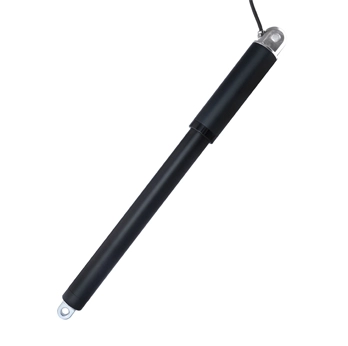
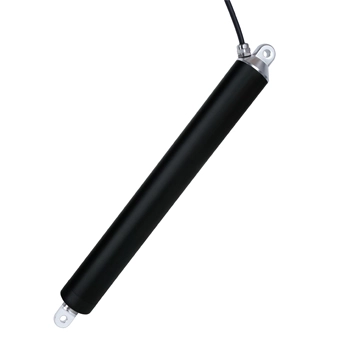

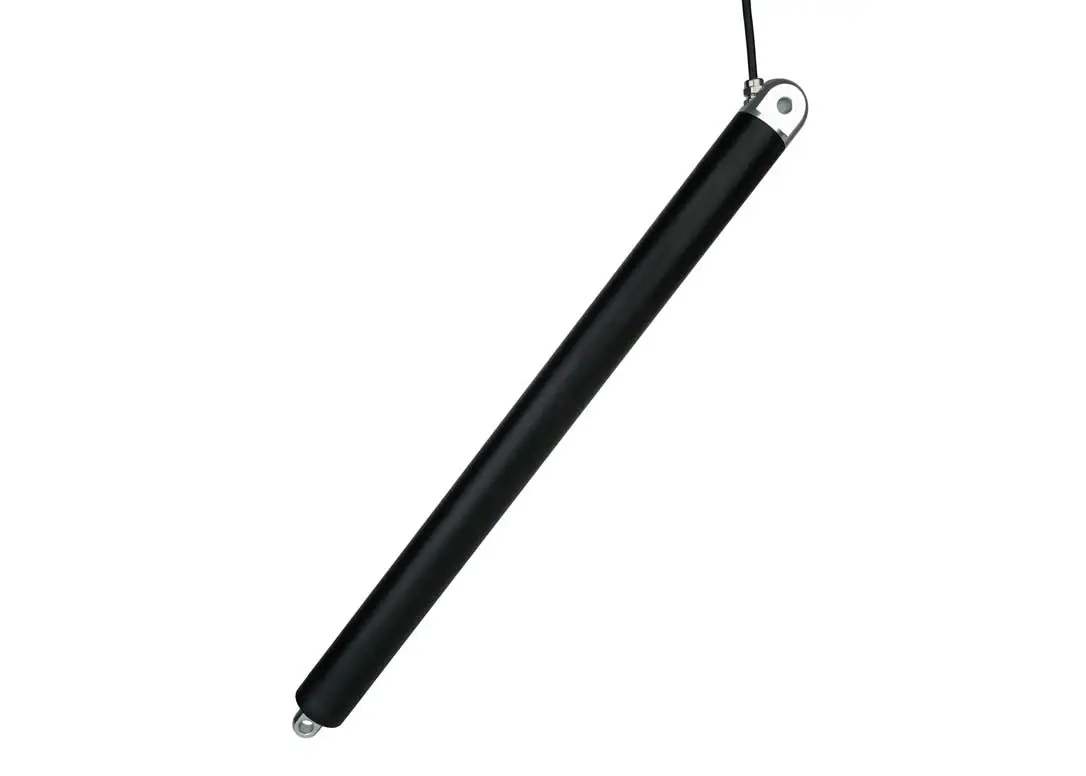
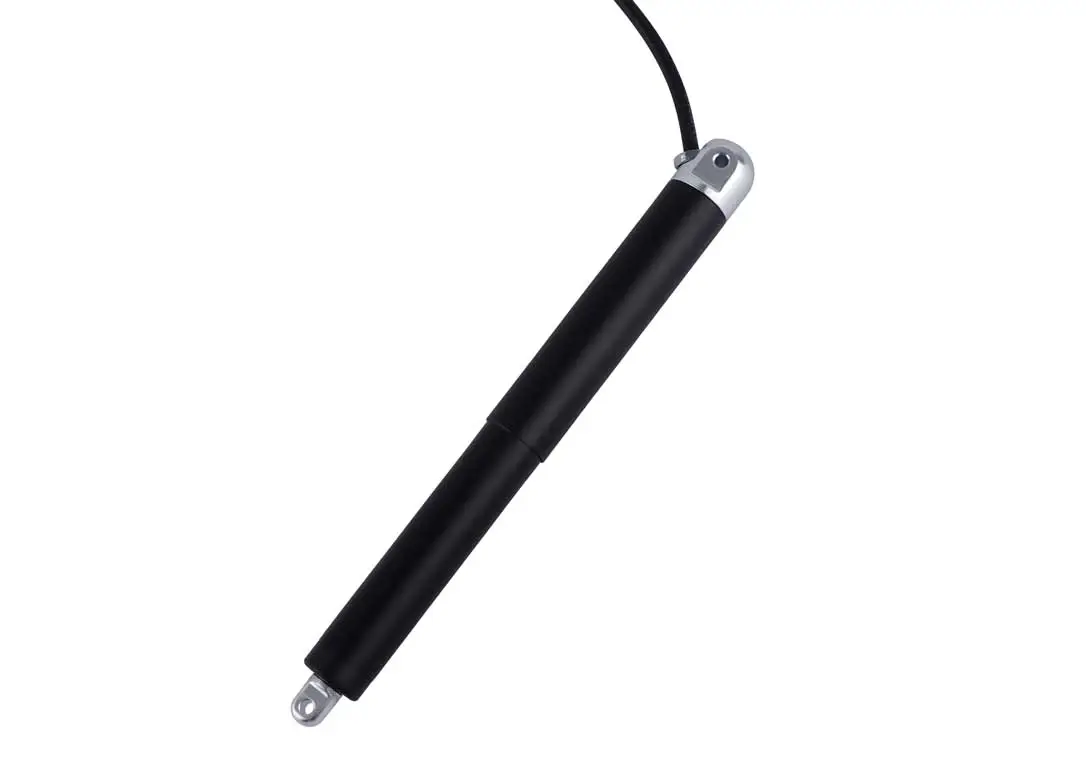

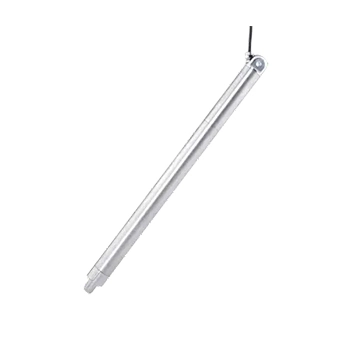
 DDTG-16 Micro Tubular Linear Actuator
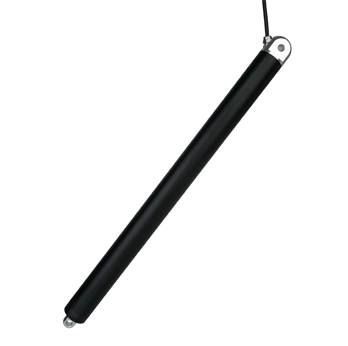
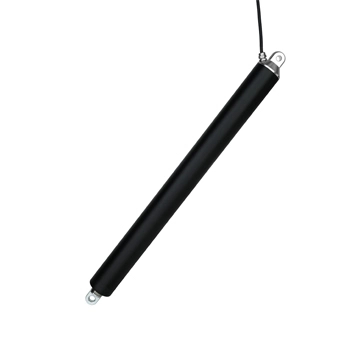
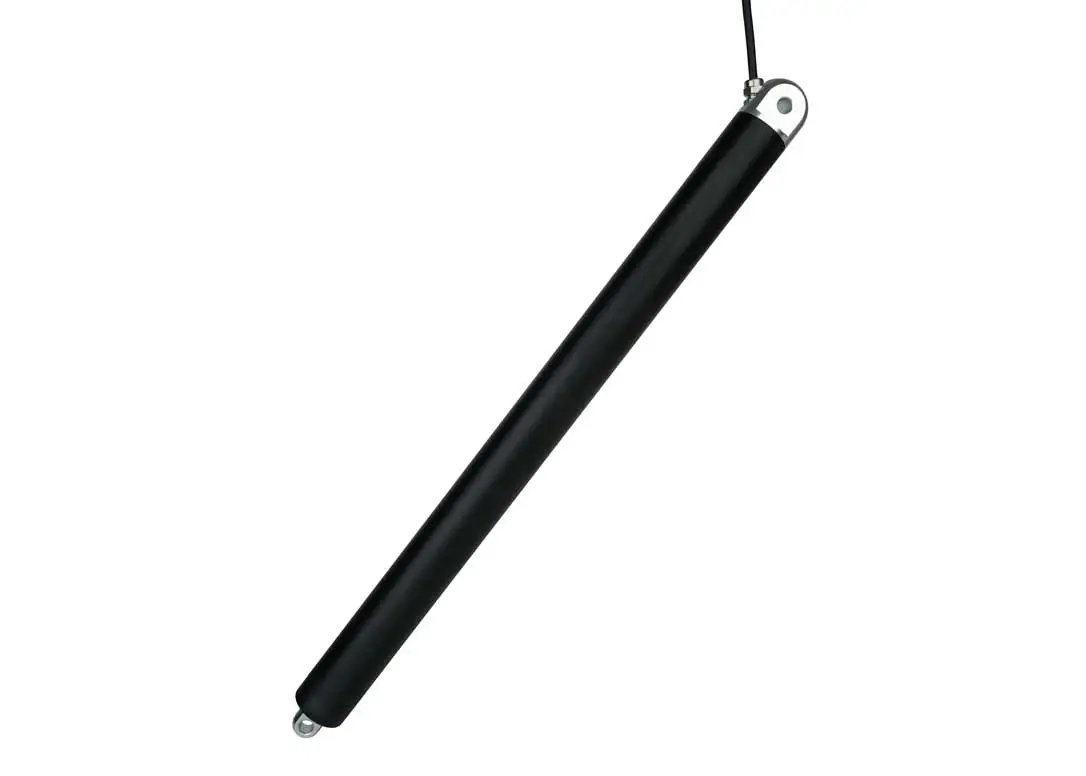
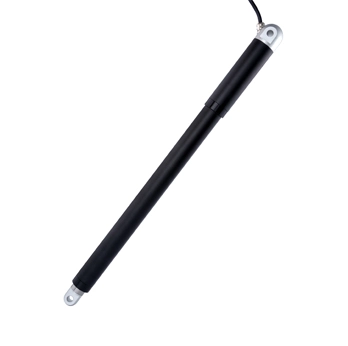
 DDTG-28 Micro Tubular Linear Actuator
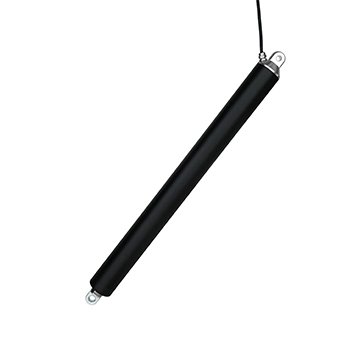
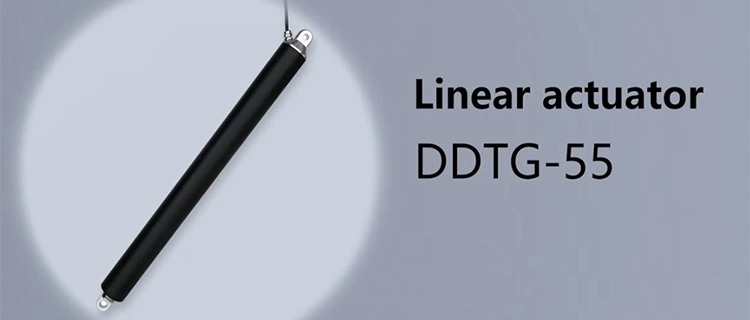
 DDTG-38 Micro Tubular Linear Actuator